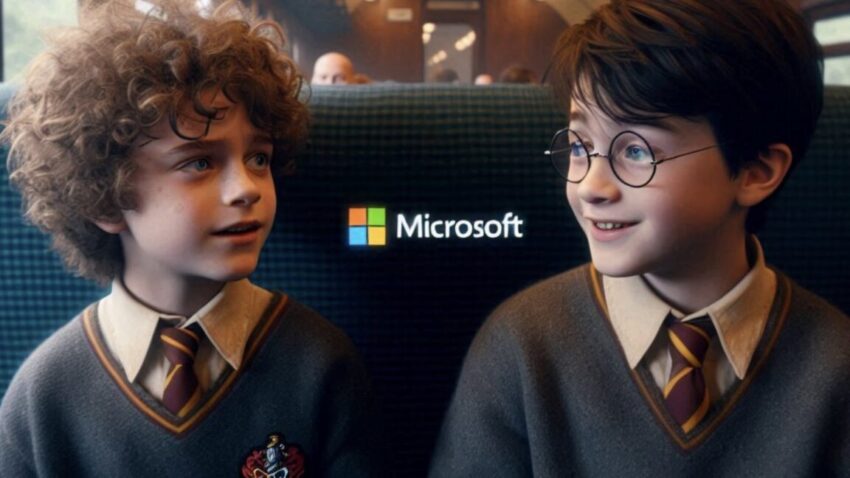
microsoft removes guide on how to train Microsoft has recently faced significant backlash leading to the removal of a blog post that appeared to encourage developers to use pirated Harry Potter books for training AI models.
microsoft removes guide on how to train
Background of the Controversy
The blog post in question was authored by Pooja Kamath, a senior product manager at Microsoft, who has been with the company for over a decade. The article was published in November 2024 and aimed to promote a new feature that facilitates the integration of generative AI capabilities into applications using Azure SQL DB, LangChain, and large language models (LLMs). Kamath’s intention was to provide developers with “engaging and relatable examples” that would resonate with a broad audience.
However, the choice of using Harry Potter books as a dataset raised eyebrows. Critics argued that this approach not only encouraged piracy but also trivialized the ethical considerations surrounding the use of copyrighted material in AI training. The blog post suggested that leveraging a “well-known dataset” like the Harry Potter series would make it easier for developers to demonstrate the capabilities of Microsoft’s new feature.
The Backlash on Hacker News
The controversy gained traction when it was discussed on Hacker News, a popular platform for tech enthusiasts and developers. Users expressed their outrage, pointing out that the blog post seemed to promote illegal activities by suggesting that developers could use pirated content to enhance their AI models. The backlash was swift and intense, with many users highlighting the potential legal ramifications of such actions.
Comments on the thread ranged from disbelief to condemnation, with some users questioning the ethical implications of using copyrighted material without permission. Others pointed out that promoting piracy undermines the hard work of authors and creators, particularly in a field that is increasingly reliant on ethical considerations regarding data usage.
Microsoft’s Response and Removal of the Post
In light of the backlash, Microsoft quickly moved to address the situation. The company removed the blog post from its website, acknowledging the concerns raised by the community. While the removal of the post was a decisive action, it also raised questions about the internal review processes at Microsoft and how such content could have been approved in the first place.
Microsoft’s decision to delete the blog post reflects a growing awareness of the ethical implications surrounding AI development and the use of copyrighted material. As AI technology continues to evolve, companies are increasingly scrutinized for their practices and the messages they convey to developers and users alike.
Implications for Developers and AI Ethics
The incident serves as a reminder of the ethical responsibilities that come with developing AI technologies. As developers seek to create innovative applications, they must navigate a complex landscape of legal and ethical considerations. The use of copyrighted material without permission can lead to significant legal repercussions, including lawsuits and financial penalties.
Moreover, the incident highlights the importance of fostering a culture of ethical awareness within tech companies. Developers should be encouraged to consider the implications of their choices, particularly when it comes to sourcing data for training AI models. The reliance on pirated content not only poses legal risks but also raises questions about the integrity of the technology being developed.
Stakeholder Reactions
The reactions to the incident have been varied, with stakeholders from different sectors weighing in on the implications of Microsoft’s blog post. Authors, publishers, and legal experts have expressed concern over the normalization of piracy in the tech industry. Many argue that the incident underscores the need for clearer guidelines regarding the use of copyrighted material in AI training.
Authors, in particular, have voiced their frustrations, emphasizing that their work should not be used without consent. The Harry Potter series, created by J.K. Rowling, is a prime example of a highly valuable intellectual property that has been the subject of piracy for years. The potential for AI models to generate content based on such works raises ethical questions about originality and ownership.
Legal experts have also weighed in, noting that the use of pirated content for AI training could lead to significant legal challenges. They argue that companies must take proactive measures to ensure compliance with copyright laws and protect the rights of creators. The incident serves as a wake-up call for tech companies to establish robust policies regarding data usage and copyright compliance.
The Broader Context of AI Development
This incident is not an isolated case but rather part of a larger conversation about the ethical implications of AI development. As AI technologies become more integrated into various sectors, the need for ethical guidelines and best practices becomes increasingly urgent. The use of copyrighted material in training datasets is just one aspect of a broader set of challenges that developers and companies must navigate.
Many organizations are beginning to recognize the importance of ethical AI development and are taking steps to address these issues. Initiatives aimed at promoting transparency, accountability, and fairness in AI systems are gaining traction. Companies are increasingly investing in research and development to create AI models that are not only effective but also ethically sound.
Future Considerations for Microsoft and the Tech Industry
Moving forward, Microsoft and other tech companies must prioritize ethical considerations in their product development processes. This includes establishing clear guidelines for the use of data in AI training, as well as fostering a culture of accountability among developers. Companies should also engage with stakeholders, including authors and legal experts, to better understand the implications of their actions.
Additionally, the tech industry as a whole must work towards creating a more sustainable and ethical framework for AI development. This involves not only adhering to copyright laws but also considering the broader societal impacts of AI technologies. As AI continues to evolve, the responsibility to ensure ethical practices will fall on both developers and the companies that employ them.
Conclusion
The removal of Microsoft’s blog post serves as a critical reminder of the ethical responsibilities that come with AI development. As the tech industry grapples with the implications of using copyrighted material, it is essential for companies to prioritize ethical considerations and engage with stakeholders to create a more responsible framework for AI technologies. The incident underscores the need for ongoing dialogue about the ethical use of data and the importance of respecting the rights of creators in an increasingly digital world.
Source: Original report
Was this helpful?
Last Modified: February 20, 2026 at 6:35 pm
5 views