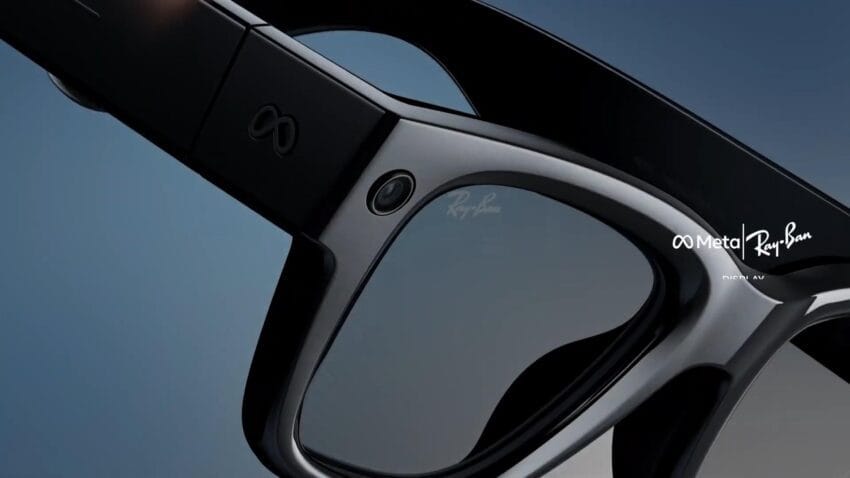
meta s smart glasses innovative features fail Meta’s latest Ray-Ban smart glasses were showcased during the Meta Connect 2025 event, but the live demonstrations fell short of expectations.
meta s smart glasses innovative features fail
Introduction to Meta’s Smart Glasses
Meta, the parent company of Facebook, has been making significant strides in the augmented reality (AR) and virtual reality (VR) sectors. With the launch of their latest Ray-Ban smart glasses, the company aimed to blend fashion with cutting-edge technology. The glasses are designed to offer users a unique way to experience the world through augmented reality, allowing them to capture moments, interact with digital content, and enhance their daily lives. However, the recent live demonstrations at Meta Connect 2025 revealed that the technology may not yet be ready for prime time.
The Meta Connect 2025 Event
Held on a Wednesday night, Meta Connect 2025 featured a keynote address by CEO Mark Zuckerberg. The event began with Zuckerberg wearing the new Ray-Ban smart glasses, which are equipped with advanced features intended to revolutionize how users interact with their environment. As he walked on stage, the audience was treated to a live feed from the glasses, showcasing Zuckerberg’s point of view (POV). This innovative approach aimed to immerse viewers in the experience, allowing them to see the world through the lenses of the smart glasses.
Initial Impressions
At the outset, Zuckerberg appeared confident, engaging with the audience and even fist-bumping DJ Diplo, who was present at the event. This light-hearted interaction set a positive tone for the presentation, and attendees were eager to see what the new technology could offer. The glasses were touted as a significant advancement in the realm of smart eyewear, promising features that could enhance social interactions and personal experiences.
Features of the Ray-Ban Smart Glasses
The latest iteration of Ray-Ban smart glasses comes equipped with several features aimed at enhancing user experience:
- Augmented Reality Display: The glasses are designed to overlay digital information onto the real world, allowing users to interact with virtual objects seamlessly.
- Camera Functionality: Users can capture photos and videos directly from their eyewear, making it easier to document moments without needing to reach for a smartphone.
- Voice Commands: The glasses support voice activation, enabling hands-free operation for various functions, including taking calls and controlling music playback.
- Social Media Integration: The glasses are designed to work with popular social media platforms, allowing users to share their experiences in real-time.
Challenges Faced During Live Demos
Despite the promising features, the live demonstrations during the event did not go as planned. As Zuckerberg attempted to showcase the capabilities of the smart glasses, several technical issues arose. The augmented reality display failed to function properly, and the camera struggled to capture clear images. These setbacks were evident to both the live audience and viewers watching online, leading to a palpable sense of disappointment.
Reactions from the Audience
The audience’s reaction to the live demos was mixed. While some attendees remained optimistic about the potential of the technology, others expressed frustration at the technical difficulties. The initial excitement surrounding the product quickly turned to skepticism as the demos continued to falter. Social media platforms were flooded with reactions, with many users questioning the readiness of the product for consumer use.
Mark Zuckerberg’s Response
As the event progressed and the technical issues mounted, Zuckerberg’s demeanor shifted noticeably. By the end of the presentation, his shoulders appeared slumped, reflecting the disappointment of the failed demos. In his closing remarks, he acknowledged the challenges faced during the live demonstrations but emphasized the company’s commitment to improving the technology. He stated, “We know that this is just the beginning, and we are dedicated to refining these features to ensure a seamless user experience.”
Implications for Meta and the Smart Glasses Market
The challenges faced during the Meta Connect 2025 event raise important questions about the future of smart glasses and Meta’s position in the market. As competition in the AR and VR sectors intensifies, companies must deliver reliable and innovative products to capture consumer interest. The failure of the live demos could impact consumer confidence in Meta’s ability to deliver on its promises.
Market Competition
Meta is not the only player in the smart glasses market. Companies like Google, Apple, and Snap have also made significant investments in AR technology. For instance, Apple’s rumored AR glasses have generated considerable buzz, and if they are released with a more polished user experience, they could overshadow Meta’s offerings. The competitive landscape necessitates that Meta not only addresses the technical issues but also differentiates its product in a crowded field.
Future Developments and Consumer Expectations
Looking ahead, Meta will need to focus on refining the technology behind the Ray-Ban smart glasses. This includes addressing the technical glitches experienced during the live demos and enhancing the overall user experience. Consumer expectations for AR technology are high, and any future iterations of the product must meet or exceed these expectations to gain traction in the market.
Potential for Improvement
Despite the setbacks, there is still potential for the Ray-Ban smart glasses to succeed. The integration of AR technology into everyday life is an exciting prospect, and if Meta can overcome the current challenges, the glasses could become a valuable tool for users. The company has a history of innovation, and with continued investment in research and development, it may be able to deliver a product that resonates with consumers.
Conclusion
The unveiling of Meta’s latest Ray-Ban smart glasses at the Meta Connect 2025 event was met with enthusiasm, but the subsequent live demonstrations highlighted significant technical challenges. While the features of the glasses promise to enhance user experiences, the failure of the demos raises questions about the product’s readiness for market release. As Meta navigates these challenges, the future of the Ray-Ban smart glasses will depend on the company’s ability to address technical issues and meet consumer expectations in an increasingly competitive landscape.
Source: Original report
Was this helpful?
Last Modified: September 18, 2025 at 6:50 pm
4 views