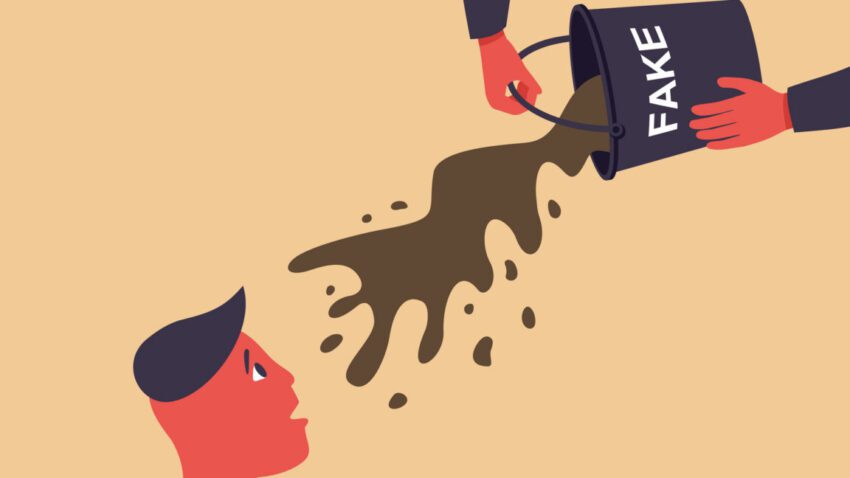
merriam-webster s word of the year delivers Merriam-Webster has named “slop” its 2025 Word of the Year, highlighting the growing concern over the proliferation of low-quality AI-generated content across various digital platforms.
merriam-webster s word of the year delivers
The Rise of AI-Generated Content
Generative AI has rapidly evolved over the past few years, becoming an integral part of various industries, including marketing, journalism, and entertainment. These models, capable of producing text, images, and even music, have revolutionized how content is created and consumed. However, with this technological advancement comes the potential for misuse. The ease with which AI can generate content has led to an overwhelming influx of material that often lacks depth, accuracy, and originality.
As these AI tools have become more accessible, many individuals and organizations have turned to them for quick and cost-effective content generation. This has resulted in a significant increase in the volume of digital content available online. Unfortunately, not all of this content meets the standards of quality that audiences expect. The term “slop” has emerged as a descriptor for this low-quality output, encapsulating the frustration many users feel when sifting through the vast amounts of information available on the internet.
Merriam-Webster’s Definition of “Slop”
Merriam-Webster defines “slop” as “digital content of low quality that is produced usually in quantity by means of artificial intelligence.” This definition underscores the dictionary’s recognition of the cultural implications of generative AI technology. The choice of “slop” as the Word of the Year reflects a growing awareness of the challenges posed by the rapid proliferation of AI-generated content.
The Cultural Impact of “Slop”
According to Greg Barlow, president of Merriam-Webster, the word “slop” is particularly illustrative of the current landscape surrounding AI. In an interview with the Associated Press, Barlow stated, “It’s part of a transformative technology, AI, and it’s something that people have found fascinating, annoying, and a little bit ridiculous.” This sentiment resonates with many who have experienced the frustration of encountering poorly crafted AI-generated content.
The cultural implications of this term extend beyond mere annoyance. The rise of “slop” signifies a shift in how society perceives the value of content. As AI-generated material floods the internet, the distinction between high-quality and low-quality content becomes increasingly blurred. This raises questions about authenticity, trustworthiness, and the overall integrity of information available to the public.
Stakeholder Reactions
The announcement of “slop” as the Word of the Year has elicited a range of reactions from various stakeholders, including content creators, educators, and technology experts. Many content creators have expressed concern about the impact of AI-generated content on their work. The fear is that the saturation of low-quality material will devalue original content, making it more difficult for creators to gain visibility and recognition.
Educators have also weighed in on the implications of AI-generated content in academic settings. The ease with which students can generate essays and reports using AI tools raises concerns about academic integrity and the potential for plagiarism. As a result, educators are increasingly tasked with finding ways to teach students the importance of critical thinking and the evaluation of sources.
Technology Experts Weigh In
Technology experts have noted that while generative AI has the potential to enhance creativity and streamline processes, it also poses significant challenges. The proliferation of “slop” could lead to a decline in the overall quality of information available online, which may have far-reaching consequences for society. Experts argue that it is essential for developers and users of AI technology to prioritize quality over quantity to mitigate these risks.
The Implications for the Future
The designation of “slop” as the Word of the Year serves as a cautionary tale for the future of content creation. As generative AI continues to evolve, it is crucial for stakeholders to consider the ethical implications of its use. The challenge lies in finding a balance between leveraging the benefits of AI technology while ensuring that the quality of content remains a priority.
One potential solution is the implementation of stricter guidelines and standards for AI-generated content. By establishing criteria for quality and accuracy, developers can help mitigate the risks associated with the proliferation of low-quality material. Additionally, educating users about the limitations of AI-generated content can empower them to make informed decisions about the information they consume.
The Role of Regulation
As the landscape of AI-generated content continues to evolve, the role of regulation may become increasingly important. Governments and regulatory bodies may need to step in to establish frameworks that govern the use of AI in content creation. This could involve setting standards for transparency, accountability, and quality assurance in AI-generated material.
Such regulations could help protect consumers from misinformation and low-quality content while promoting ethical practices within the industry. However, the challenge lies in finding a balance that fosters innovation without stifling creativity. Striking this balance will require collaboration between policymakers, technology developers, and content creators.
Conclusion
The selection of “slop” as Merriam-Webster’s Word of the Year serves as a powerful reminder of the challenges posed by the rapid proliferation of AI-generated content. As society grapples with the implications of this technology, it is essential for stakeholders to prioritize quality and authenticity in content creation. By doing so, we can work towards a digital landscape that values meaningful and accurate information, rather than succumbing to the flood of low-quality material.
As generative AI continues to shape the future of content creation, the conversation surrounding “slop” will likely persist. It is a term that encapsulates not only the frustrations of content consumers but also the broader societal implications of our reliance on technology. The challenge ahead lies in navigating this complex landscape while ensuring that the integrity of information remains intact.
Source: Original report
Was this helpful?
Last Modified: December 16, 2025 at 5:36 am
4 views