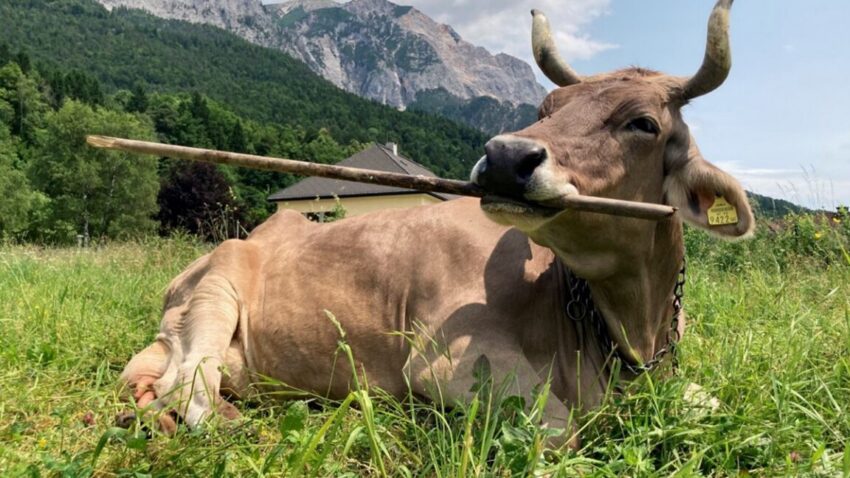
meet veronika the tool-using cow A Swiss brown cow named Veronika has captured attention for her unexpected behavior of using sticks as tools to scratch herself, challenging long-held beliefs about animal intelligence.
meet veronika the tool-using cow
Introduction to Veronika
Veronika, a pet cow residing in Austria, has recently become a subject of fascination among scientists and animal behavior enthusiasts alike. Unlike the stereotypical notion that cows are simple creatures, Veronika has demonstrated a form of tool use that suggests a higher level of cognitive capability than previously assumed. This revelation comes from a study published in the journal Current Biology, which highlights her unique behavior and its implications for our understanding of animal intelligence.
The Significance of Tool Use in Animals
Tool use has traditionally been regarded as a hallmark of human intelligence. However, research has shown that various species, including primates and other mammals, exhibit this behavior. The acknowledgment of tool use in non-human animals has expanded our understanding of cognitive abilities across species. This shift in perspective raises important questions about the criteria we use to define intelligence and the implications for animal welfare and conservation.
Historical Context of Tool Use
Historically, tool use was considered a defining characteristic of humanity. Early studies focused primarily on humans and their closest relatives, the great apes. However, as research progressed, scientists began to observe tool use in a broader range of species. For instance, chimpanzees have been documented using sticks to extract termites from mounds, while orangutans have been seen using leaves as gloves to handle thorny fruits.
Tool Use in Marine Mammals
Beyond terrestrial animals, marine mammals have also demonstrated tool use. Dolphins, for example, have been observed tossing objects, which some researchers interpret as a form of tool use, particularly in social contexts. This behavior may serve various purposes, including communication, social bonding, or even aggression. The cognitive complexity of these actions suggests a level of intelligence that merits further exploration.
Birds and Tool Use
One of the most surprising developments in the study of tool use has been the discovery that birds, particularly corvids like crows and jays, exhibit sophisticated tool-using behaviors. These birds have been observed using sticks to extract insects from tree bark or even bending wires to create hooks. The ability of corvids to use tools in the wild challenges the notion that tool use is exclusive to mammals and highlights the cognitive capabilities of avian species.
Complex Behaviors in Birds
Corvids are not only adept at tool use; they also display a range of complex behaviors that suggest advanced cognitive functions. For instance, studies have shown that crows can remember human faces and can even hold grudges against individuals who have wronged them. Additionally, they exhibit behaviors associated with mourning, such as gathering around deceased members of their species. These findings underscore the need to reevaluate our understanding of intelligence across different animal groups.
Veronika’s Tool Use: A Case Study
Veronika’s behavior of using sticks to scratch herself is a compelling case study that adds to the growing body of evidence supporting the idea that tool use is not limited to a select few species. According to the research published in Current Biology, Veronika’s actions can be classified as multipurpose tool use, as she selects various sticks for different scratching needs. This behavior indicates a level of problem-solving ability and adaptability that has often been underestimated in cows.
Implications for Animal Intelligence
The implications of Veronika’s tool use extend beyond her individual behavior. This discovery suggests that cows, and potentially other domesticated animals, possess cognitive abilities that have not been adequately recognized. The traditional view of cows as simple creatures may need to be revised in light of this evidence. Understanding the cognitive capabilities of animals like Veronika can have significant implications for animal welfare, farming practices, and conservation efforts.
Reactions from the Scientific Community
The scientific community has responded with intrigue and excitement regarding Veronika’s behavior. Researchers are eager to explore the cognitive abilities of cows further and to investigate whether similar behaviors can be observed in other individuals or breeds. This newfound interest may lead to more comprehensive studies on animal intelligence, focusing on domesticated species that have often been overlooked in favor of wild counterparts.
Potential Research Directions
Future research could explore several avenues, including:
- Comparative Studies: Researchers may conduct comparative studies between cows and other species known for tool use to identify similarities and differences in cognitive processes.
- Environmental Influences: Investigating how environmental factors influence tool use in cows could provide insights into the conditions that foster cognitive development.
- Social Learning: Understanding whether tool use in cows is learned behavior or instinctual could shed light on the mechanisms behind animal intelligence.
Broader Implications for Animal Welfare
Recognizing the cognitive capabilities of animals like Veronika has broader implications for animal welfare. As society becomes more aware of the intelligence and emotional lives of animals, there may be a shift in how we approach farming, animal husbandry, and conservation. For instance, practices that prioritize the mental and emotional well-being of animals could become more prevalent, leading to improved living conditions and treatment.
Ethical Considerations
The acknowledgment of tool use and cognitive abilities in cows raises ethical questions regarding their treatment. If cows are capable of complex thought and problem-solving, it may necessitate a reevaluation of their roles in agriculture and society. Ethical farming practices that consider the mental and emotional needs of animals could become more widely adopted, promoting a more humane approach to animal husbandry.
Conclusion
Veronika’s unique behavior serves as a reminder that our understanding of animal intelligence is still evolving. As researchers continue to explore the cognitive capabilities of various species, it is crucial to remain open to new discoveries that challenge our preconceived notions. The case of Veronika not only highlights the potential for tool use in cows but also encourages a broader examination of intelligence across the animal kingdom. This shift in perspective could lead to more compassionate and informed approaches to animal welfare, ultimately benefiting both animals and humans alike.
Source: Original report
Was this helpful?
Last Modified: January 20, 2026 at 2:40 am
0 views