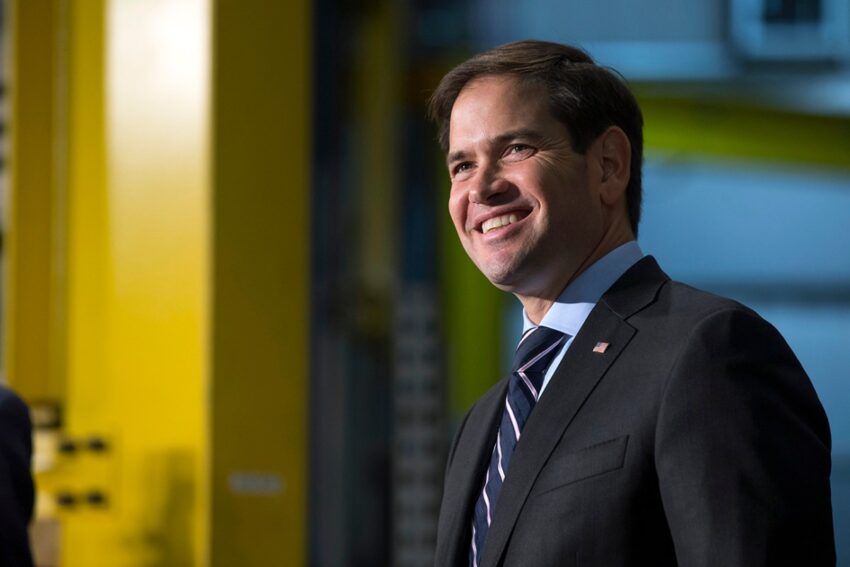
marco rubio bans calibri font at state In a significant move reflecting the ongoing debates surrounding diversity, equity, and inclusion (DEI) initiatives, Senator Marco Rubio has officially banned the use of the Calibri font at the U.S. State Department.
marco rubio bans calibri font at state
Background on the Font Controversy
Calibri, a sans-serif typeface, was introduced as the default font in Microsoft Office applications in 2007. It is widely recognized for its clean and modern aesthetic, making it a popular choice for both professional and personal documents. However, its adoption by the State Department came in 2023, when the department’s then-DEI office installed it as part of an initiative aimed at improving accessibility. The intention behind this decision was to make documents more readable, particularly for individuals with visual impairments.
Despite its accessibility benefits, the choice of Calibri has sparked controversy. Critics argue that the font is emblematic of a broader trend toward what they perceive as excessive political correctness in government operations. Rubio’s recent memo, which formally bans Calibri, reflects a growing sentiment among some lawmakers who believe that such initiatives detract from traditional values of professionalism and decorum in government communications.
Rubio’s Rationale for the Ban
In his memo, Senator Rubio designated Times New Roman as the official font for documents produced during his tenure. He articulated that this choice would “restore decorum and professionalism” to the State Department’s communications. Times New Roman, a serif font, has long been associated with formal documentation and is often used in academic and professional settings. Rubio’s decision underscores a preference for traditional typography over modern alternatives, which he argues can undermine the seriousness of government communications.
Implications for Accessibility
The decision to ban Calibri raises important questions about accessibility in government documents. Calibri was chosen for its readability, particularly for those with visual impairments. The font’s design features a larger x-height, which can make it easier for individuals with low vision to read. By reverting to Times New Roman, the State Department may inadvertently complicate access to information for some individuals.
Accessibility advocates have expressed concern over the implications of this ban. They argue that the choice of font can significantly impact the ability of individuals with disabilities to engage with government documents. The move has been criticized as a step backward in efforts to create an inclusive environment within federal agencies.
Reactions from Stakeholders
The response to Rubio’s decision has been mixed, reflecting the polarized nature of current political discourse. Supporters of the ban argue that it is a necessary step toward restoring traditional values within government institutions. They contend that the use of fonts like Calibri is indicative of a broader trend toward what they see as a dilution of professionalism in government communications.
Conversely, opponents of the ban have voiced strong objections, emphasizing the importance of accessibility and inclusivity in government documents. Many have taken to social media to express their discontent, arguing that the decision prioritizes aesthetics over functionality. Some have even called for a review of the State Department’s policies regarding font usage, advocating for a more inclusive approach that considers the needs of all citizens.
Historical Context of Font Choices in Government
The choice of font in government documents is not merely a matter of aesthetics; it reflects deeper cultural and institutional values. Historically, serif fonts like Times New Roman have been favored in formal documentation due to their traditional associations with authority and professionalism. However, as society evolves, so too do the expectations surrounding government communications.
In recent years, there has been a growing recognition of the need for inclusivity in all aspects of public life, including the way information is presented. This shift has led to the adoption of more accessible fonts, such as Calibri, which aim to cater to a diverse population. The tension between tradition and modernity in font choice serves as a microcosm of the larger debates surrounding DEI initiatives in government.
The Broader Debate on DEI Initiatives
Rubio’s ban on Calibri is emblematic of a broader backlash against DEI initiatives across various sectors, including government, education, and corporate environments. Critics of DEI programs often argue that they prioritize identity politics over meritocracy, claiming that such initiatives can lead to division rather than unity.
Supporters of DEI initiatives, on the other hand, argue that these programs are essential for creating equitable environments that reflect the diversity of the population. They contend that inclusivity is not merely a trend but a fundamental principle that should guide all aspects of governance and public service.
Potential Consequences for Future Policies
The decision to ban Calibri may have far-reaching implications for future policies at the State Department and beyond. It could signal a shift toward more conservative approaches to governance, particularly in areas related to inclusivity and accessibility. If similar bans are implemented in other federal agencies, it could result in a fragmented approach to font usage, with varying standards across different departments.
Moreover, this decision could set a precedent for how government agencies prioritize traditional values over modern inclusivity efforts. As lawmakers continue to grapple with the complexities of DEI initiatives, the outcome of this debate may shape the future of government communications and accessibility standards.
Conclusion
Senator Marco Rubio’s ban on the Calibri font at the State Department has ignited a heated debate about the intersection of tradition, accessibility, and inclusivity in government communications. While the choice of font may seem trivial to some, it reflects deeper cultural and institutional values that are currently being challenged in the political arena. As the discourse surrounding DEI initiatives continues to evolve, the implications of Rubio’s decision may resonate well beyond the confines of typography, influencing future policies and practices in government.
Source: Original report
Was this helpful?
Last Modified: December 11, 2025 at 12:46 pm
3 views