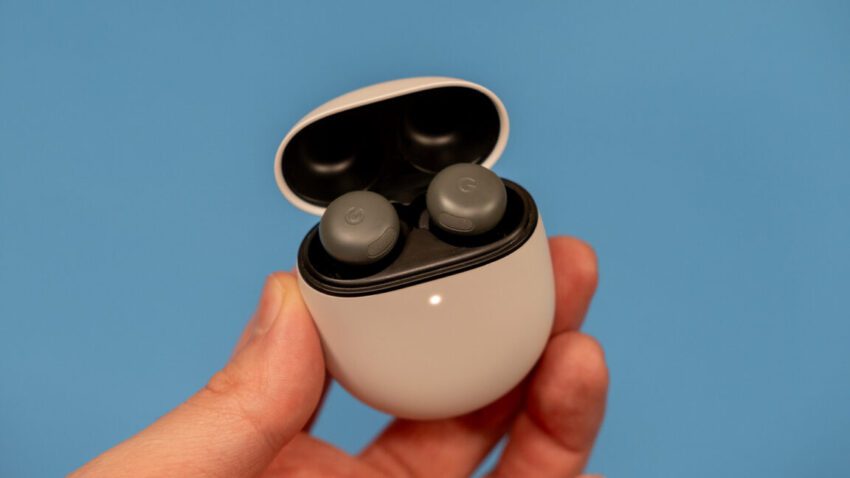
many bluetooth devices with google fast pair A newly discovered vulnerability in Google Fast Pair technology could allow hackers to eavesdrop on users through their Bluetooth headphones.
many bluetooth devices with google fast pair
Understanding Google Fast Pair
Google Fast Pair is a technology designed to simplify the process of pairing Bluetooth devices. It allows users to connect their headphones, speakers, and other accessories to their smartphones or tablets with minimal effort. This seamless experience has made Fast Pair popular among manufacturers and consumers alike, as it reduces the complexities often associated with Bluetooth connectivity.
Fast Pair works by utilizing Bluetooth Low Energy (BLE) technology, which enables devices to communicate with each other while consuming less power. When a Fast Pair-enabled device is within range of a compatible smartphone, a notification appears on the phone, prompting the user to connect. This streamlined process has been widely adopted across various brands, making it a common feature in many modern Bluetooth devices.
The WhisperPair Vulnerability
Despite its convenience, a recent study conducted by researchers from KU Leuven University in Belgium has revealed a significant security flaw in the Fast Pair technology. Dubbed “WhisperPair,” this vulnerability allows attackers to hijack Fast Pair-enabled devices and eavesdrop on users without their knowledge.
How WhisperPair Works
The WhisperPair attack exploits the Fast Pair protocol, which is designed to facilitate quick and easy connections between Bluetooth devices. According to the researchers, the attack can be executed in a matter of seconds—specifically, a median of just 10 seconds. This rapid exploitation is particularly concerning, as it can be performed from distances of up to 14 meters (approximately 46 feet), which is near the maximum range of Bluetooth technology.
During the attack, an adversary can intercept the communication between the Fast Pair-enabled device and the user’s smartphone. This allows the attacker to gain control over the device and listen in on conversations or other audio being transmitted through the headphones. The fact that this can be done from a distance means that users may not even be aware that they are being targeted.
Devices Affected by the Vulnerability
The WhisperPair vulnerability affects a wide range of Bluetooth devices equipped with Google Fast Pair technology. Notably, this includes products from various manufacturers, even those that do not directly utilize Google products. The researchers identified more than a dozen devices from at least ten different manufacturers that are susceptible to this attack. Some of the notable brands include:
- Sony
- Nothing
- JBL
- OnePlus
Given the widespread adoption of Fast Pair, many users may be at risk without even realizing it. The researchers have provided a comprehensive list of vulnerable devices on their project website, allowing consumers to check if their devices are affected.
Google’s Response
In light of the findings, Google has acknowledged the existence of the WhisperPair vulnerability and has taken steps to inform its partners about the potential risks. The company has emphasized the importance of addressing this flaw and is working with manufacturers to develop patches for their devices. However, the responsibility for implementing these fixes ultimately lies with the individual companies that produce the affected accessories.
Google’s proactive approach in notifying partners is crucial, as it highlights the need for timely action to mitigate the risks associated with the vulnerability. However, the timeline for when these patches will be available remains uncertain, leaving users in a precarious position in the meantime.
Implications of the WhisperPair Vulnerability
The implications of the WhisperPair vulnerability extend beyond the immediate risk of eavesdropping. As Bluetooth technology becomes increasingly integrated into everyday life, the potential for exploitation poses significant concerns for user privacy and security. The ability for an attacker to intercept communications through seemingly innocuous devices like headphones raises questions about the overall safety of wireless technology.
Moreover, the WhisperPair vulnerability serves as a reminder of the importance of security in the design and implementation of new technologies. As devices become more interconnected, the potential attack surface increases, making it imperative for manufacturers to prioritize security measures in their products. This incident may prompt a reevaluation of security protocols across the industry, leading to more robust protections against similar vulnerabilities in the future.
Stakeholder Reactions
The discovery of the WhisperPair vulnerability has elicited a range of reactions from stakeholders in the tech community. Security experts have expressed concern over the ease with which the attack can be executed and the potential consequences for users. Many have called for greater transparency from manufacturers regarding the security of their devices, emphasizing the need for regular updates and patches to address vulnerabilities.
Consumer advocacy groups have also weighed in, urging manufacturers to take swift action to protect users from potential threats. The incident underscores the importance of consumer awareness regarding the security of the devices they use daily. As Bluetooth technology becomes more prevalent, users must remain vigilant and informed about the risks associated with their devices.
What Users Can Do
While the responsibility for addressing the WhisperPair vulnerability lies primarily with manufacturers, there are steps users can take to protect themselves in the meantime. Here are some recommendations:
- Stay Informed: Regularly check for updates from manufacturers regarding security patches for your devices. Being aware of any vulnerabilities can help you take necessary precautions.
- Limit Bluetooth Usage: Consider disabling Bluetooth when not in use, especially in public spaces. This can reduce the risk of unauthorized access to your devices.
- Use Secure Connections: Whenever possible, opt for wired connections or other secure alternatives for sensitive communications.
- Monitor Device Behavior: Be vigilant about any unusual behavior from your Bluetooth devices, such as unexpected disconnections or changes in functionality.
Looking Ahead
The WhisperPair vulnerability serves as a critical reminder of the ongoing challenges in securing wireless technology. As the landscape of Bluetooth devices continues to evolve, it is essential for manufacturers to prioritize security in their design processes. This incident may catalyze a broader industry conversation about the need for enhanced security measures and protocols to protect users from potential threats.
As researchers continue to explore vulnerabilities in wireless technology, it is likely that new threats will emerge. The tech community must remain vigilant and proactive in addressing these challenges to ensure that the convenience of technologies like Google Fast Pair does not come at the expense of user security.
In conclusion, the WhisperPair vulnerability highlights the delicate balance between convenience and security in the realm of Bluetooth technology. As users increasingly rely on wireless devices for communication and entertainment, the importance of robust security measures cannot be overstated. The ongoing collaboration between tech companies, researchers, and consumers will be vital in navigating the complexities of this evolving landscape.
Source: Original report
Was this helpful?
Last Modified: January 16, 2026 at 9:48 am
0 views