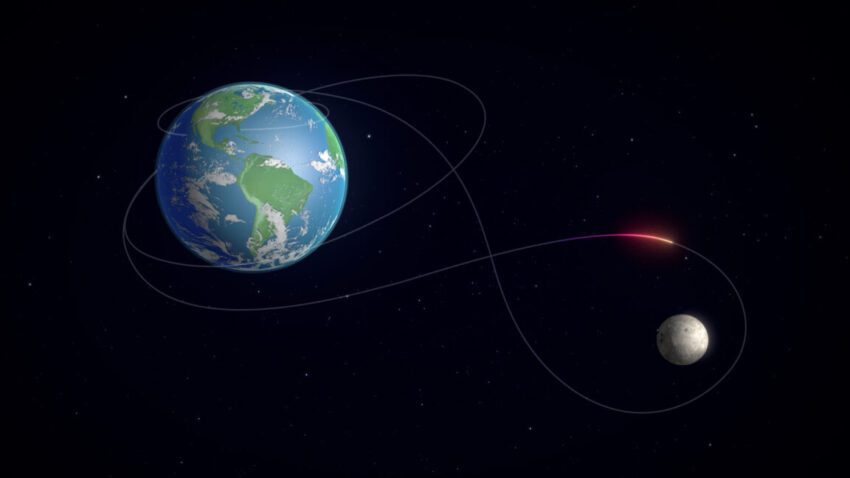
managers on alert for launch fever as NASA is gearing up for a significant milestone as it prepares to send four astronauts on a historic journey around the Moon, with the rocket set to roll out from its assembly building this Saturday.
managers on alert for launch fever as
Rollout of the Space Launch System
On Saturday morning, the Space Launch System (SLS) rocket, accompanied by its mobile launch platform, will make a slow yet monumental journey from the Vehicle Assembly Building (VAB) at Kennedy Space Center to Launch Complex 39B. The rollout is scheduled to begin at approximately 7:00 am EST (11:00 UTC), utilizing one of NASA’s diesel-powered crawler transporters. This massive tracked vehicle, recognized by Guinness World Records as the heaviest self-propelled vehicle on Earth, will navigate the four-mile stretch to the launch pad at a pace of about 1 mile per hour, taking roughly eight to ten hours to complete the journey.
Significance of the Artemis II Mission
The Artemis II mission represents a pivotal moment in NASA’s efforts to return humans to lunar exploration. This mission will be the first crewed flight to the Moon since the Apollo program concluded in 1972. While Artemis II will not involve a lunar landing, it will take astronauts on a journey around the far side of the Moon, setting a new record for the farthest distance humans have traveled from Earth. This mission aims to pave the way for future lunar landings and establish a sustainable human presence on the Moon.
Historical Context
The last time humans ventured beyond low Earth orbit was during the Apollo missions, with Apollo 17 marking the final lunar landing in December 1972. The Artemis program seeks to reignite interest in lunar exploration and expand humanity’s reach into space. NASA’s Artemis missions are designed not only to return humans to the Moon but also to prepare for future manned missions to Mars. The Artemis II mission will serve as a critical test of the SLS rocket and the Orion spacecraft, which are essential components of NASA’s deep space exploration strategy.
Technical Details of the SLS and Orion
The Space Launch System is a powerful rocket designed to carry astronauts and cargo beyond low Earth orbit. It features a core stage powered by four RS-25 engines, which were previously used in the Space Shuttle program. The SLS will be equipped with two solid rocket boosters to provide additional thrust during liftoff. The Orion spacecraft, which will carry the crew, is designed for deep space missions and can support astronauts for extended periods in space.
During the Artemis II mission, the Orion spacecraft will be tested in various operational scenarios, including its ability to communicate with mission control, navigate in deep space, and ensure the safety and well-being of the crew. The mission will also provide valuable data on the spacecraft’s performance, which will be crucial for future missions.
Challenges and Preparations
As the rollout approaches, NASA managers are on high alert for what is colloquially referred to as “launch fever.” This term describes the intense pressure and heightened emotions that often accompany the final preparations for a major space launch. With the stakes high and the world watching, the team is focused on ensuring that every detail is meticulously addressed.
Managing Launch Fever
Launch fever can manifest in various ways, including increased stress levels among team members, heightened scrutiny of technical details, and a sense of urgency that permeates the entire operation. NASA officials have emphasized the importance of maintaining a calm and focused environment during this critical phase. They are implementing strategies to manage stress and ensure that all team members remain vigilant and attentive to their responsibilities.
In preparation for the rollout, teams have conducted extensive rehearsals and simulations to ensure that everyone is familiar with their roles and responsibilities. This includes coordinating logistics for the rollout, conducting safety checks, and ensuring that all systems are functioning as intended. The goal is to minimize any potential issues that could arise during the rollout and subsequent launch.
Stakeholder Reactions
The Artemis II mission has garnered significant attention from various stakeholders, including government officials, industry partners, and the general public. Many view this mission as a critical step in advancing space exploration and scientific discovery. NASA Administrator Bill Nelson expressed enthusiasm for the mission, stating, “Artemis II is a testament to our commitment to returning humans to the Moon and eventually sending astronauts to Mars.” His comments reflect the broader sentiment within NASA and the space community regarding the importance of this mission.
Public Interest and Engagement
The public’s interest in the Artemis program has been palpable, with many eagerly anticipating the launch. NASA has made efforts to engage the public through educational initiatives, social media campaigns, and live broadcasts of key events. The agency aims to inspire the next generation of scientists, engineers, and explorers by showcasing the excitement and possibilities of space exploration.
As the rollout date approaches, NASA is also preparing for the potential challenges of public engagement. The agency has implemented contingency plans to address any unforeseen issues that may arise during the rollout or launch. This proactive approach aims to maintain transparency and keep the public informed about the mission’s progress.
Future Implications of Artemis II
The successful execution of the Artemis II mission will have far-reaching implications for NASA and the future of space exploration. It will serve as a critical stepping stone toward the Artemis III mission, which aims to land astronauts on the lunar surface, including the first woman and the next man. The data collected during Artemis II will inform the design and execution of future missions, ultimately contributing to NASA’s long-term goals of establishing a sustainable human presence on the Moon and preparing for crewed missions to Mars.
International Collaboration
The Artemis program also emphasizes international collaboration in space exploration. NASA has partnered with various space agencies and organizations worldwide to enhance the mission’s capabilities and foster global cooperation in scientific research. This collaborative approach not only strengthens the mission but also promotes the sharing of knowledge and resources among nations.
Conclusion
The upcoming rollout of the Space Launch System rocket marks a significant milestone in NASA’s Artemis II mission, setting the stage for a historic journey around the Moon. As the agency prepares for this monumental event, the focus remains on ensuring the safety and success of the mission while managing the pressures associated with such a high-stakes endeavor. The Artemis II mission holds the promise of advancing human exploration beyond Earth and inspiring future generations to reach for the stars.
Source: Original report
Was this helpful?
Last Modified: January 18, 2026 at 12:36 am
4 views