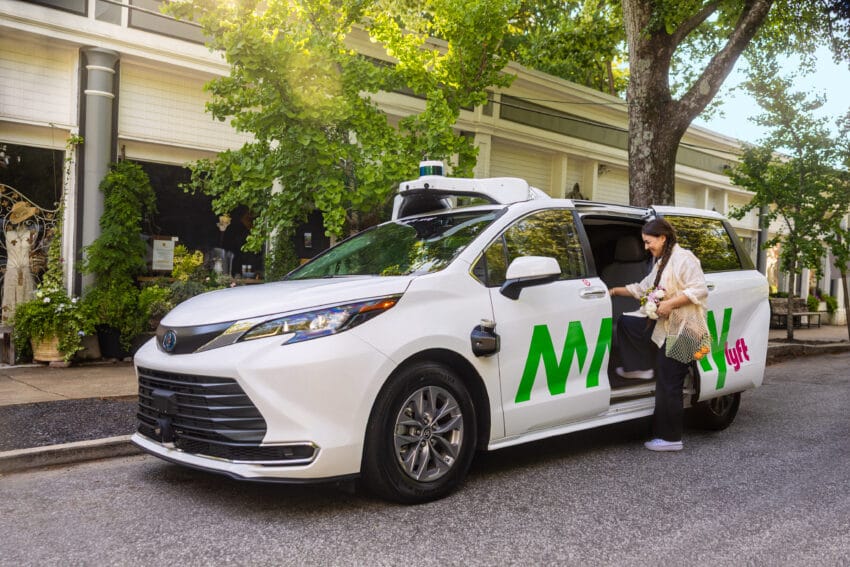
lyft s first robotaxis are live in Lyft has officially launched its first customer-ready robotaxi pilot in Atlanta, marking a significant step in its autonomous vehicle strategy.
lyft s first robotaxis are live in
Partnership with May Mobility
In a move that underscores its commitment to the autonomous vehicle (AV) market, Lyft has partnered with May Mobility, a company based in Ann Arbor, Michigan, which has garnered backing from automotive giants Toyota and BMW. This collaboration aims to introduce a fleet of robotaxis that will operate in Midtown Atlanta, an area characterized by a mix of urban and suburban landscapes.
The fleet consists of Toyota Sienna minivans, which have been outfitted with an array of advanced sensors, including cameras, radar, and lidar. These technologies are essential for enabling the vehicles to navigate complex environments and ensure passenger safety. The designated service area spans approximately 7 square miles, allowing Lyft customers to request rides within this zone. When users request a ride, they will have the option to match with a May Mobility autonomous vehicle, providing them with a glimpse into the future of transportation.
Safety Measures and Initial Operations
As Lyft embarks on this ambitious project, it is proceeding with caution. The company has implemented a safety-first approach by including “standby operators” in the driver’s seat of each vehicle. These operators, essentially Lyft drivers, are trained to take control of the vehicle if necessary during initial trips. According to Lyft’s press release, these operators will gradually intervene less frequently as the service is optimized and the technology is proven to be safe.
This strategy aligns with industry standards, as many AV companies have adopted similar measures during their early phases. For instance, Waymo has employed safety drivers in its operations, and Tesla currently utilizes safety monitors in its markets in California and Texas. At present, only a few companies, such as Waymo and Zoox, operate fully driverless vehicles without safety drivers in a commercial context.
Future Plans and Partnerships
Lyft’s foray into robotaxis in Atlanta is just the beginning. The company has several additional partnerships in the pipeline, indicating a broader strategy to expand its autonomous vehicle offerings. One notable collaboration is with Benteler Mobility, which aims to launch a self-driving shuttle service by late 2026. This initiative reflects Lyft’s ambition to diversify its AV services beyond traditional ride-hailing.
Moreover, Lyft plans to deploy a fleet of robotaxis utilizing self-driving technology from Intel’s Mobileye in Dallas, also slated for 2026. The company envisions scaling this initiative to include “thousands” of vehicles across various markets in the months that follow. This aggressive expansion strategy highlights Lyft’s intent to catch up with competitors like Uber, which has been more active in securing partnerships with autonomous vehicle operators.
Asset-Light Business Model
Lyft’s approach to its autonomous vehicle strategy mirrors that of its rival Uber, as both companies aim to remain “asset light.” By leveraging partnerships with other companies that own, operate, and maintain the robotaxi fleets, Lyft can focus on its core ride-hailing platform. This model allows Lyft to connect customers with self-driving developers without the burden of managing the operational complexities associated with vehicle ownership.
While Lyft may have lagged behind Uber in securing partnerships, it is now taking proactive steps to establish itself in the autonomous vehicle landscape. The company’s strategy emphasizes collaboration with established players in the automotive industry, which can provide the necessary expertise and resources to navigate the challenges of deploying autonomous vehicles.
Historical Context and Previous Ventures
This is not Lyft’s first attempt at entering the autonomous vehicle market. In the past, the ride-hailing company explored the development of its own autonomous vehicles. However, in 2021, Lyft made the strategic decision to sell its autonomous vehicle research and development division to a subsidiary of Toyota. This move allowed Lyft to refocus its efforts on partnerships rather than direct development, enabling it to leverage the expertise of established automotive manufacturers.
The decision to divest its AV division reflects a broader trend in the industry, where many companies are recognizing the complexities and high costs associated with developing autonomous technology in-house. By collaborating with experienced partners, Lyft can accelerate its entry into the market while minimizing risks.
Implications for the Ride-Hailing Industry
The launch of Lyft’s robotaxi service in Atlanta could have significant implications for the ride-hailing industry as a whole. As autonomous vehicles become more prevalent, traditional ride-hailing models may evolve to accommodate new technologies. The introduction of robotaxis could lead to reduced operational costs for ride-hailing companies, as they would no longer need to employ human drivers for every ride.
Additionally, the deployment of autonomous vehicles could enhance the overall customer experience. With the potential for faster and more efficient rides, passengers may benefit from reduced wait times and increased availability of vehicles. However, the transition to a fully autonomous ride-hailing model will require careful consideration of regulatory frameworks, safety standards, and public acceptance.
Stakeholder Reactions
The launch of Lyft’s robotaxi service has garnered mixed reactions from various stakeholders. Industry analysts have expressed cautious optimism, noting that Lyft’s partnership with May Mobility could position the company favorably in the competitive landscape. However, some experts caution that the road to widespread adoption of autonomous vehicles is fraught with challenges, including regulatory hurdles and public skepticism regarding safety.
Consumer reactions are also likely to vary. While some passengers may embrace the novelty of riding in an autonomous vehicle, others may be hesitant due to concerns about safety and reliability. Lyft’s decision to include safety drivers during the initial phase of the rollout is a strategic move to address these concerns and build trust among potential users.
Conclusion
Lyft’s launch of its first robotaxi service in Atlanta represents a pivotal moment in the company’s evolution and the broader landscape of autonomous vehicles. By partnering with May Mobility and implementing safety measures, Lyft is taking significant steps toward integrating autonomous technology into its ride-hailing platform. As the company continues to explore additional partnerships and expand its offerings, the implications for the ride-hailing industry could be profound. The successful deployment of robotaxis may not only reshape Lyft’s business model but also redefine the future of urban transportation.
Source: Original report
Was this helpful?
Last Modified: September 10, 2025 at 5:36 pm
0 views