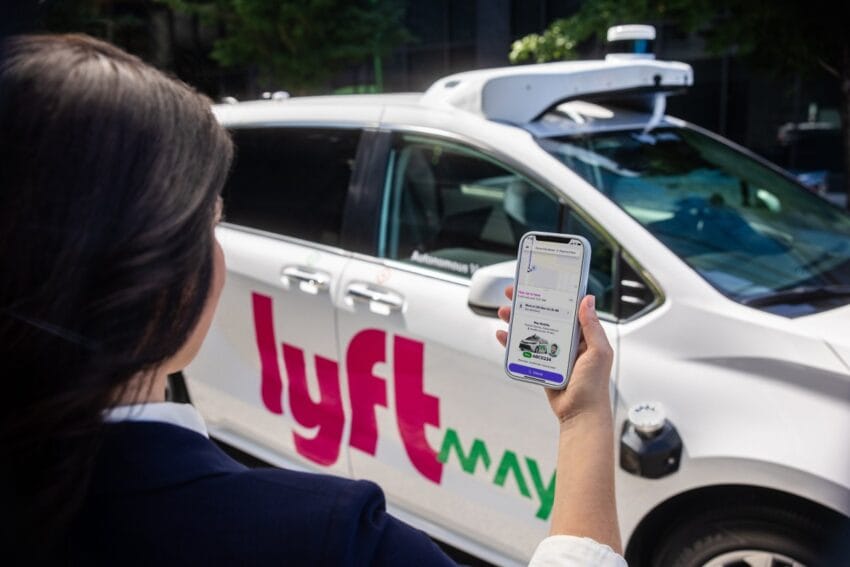
lyft and may mobility launch robotaxis in Lyft has initiated its entry into the autonomous vehicle sector with the launch of robotaxis in Atlanta, marking a significant step in its competition with industry leaders like Uber and Waymo.
lyft and may mobility launch robotaxis in
Overview of Lyft’s Robotaxi Launch
On September 10, 2025, Lyft announced the launch of its robotaxi service in Atlanta, Georgia. This move is part of Lyft’s broader strategy to establish a foothold in the rapidly evolving autonomous vehicle market. The service is being rolled out in partnership with May Mobility, a company known for its expertise in autonomous shuttle services. The robotaxis will operate in designated areas of Atlanta, providing residents and visitors with an innovative transportation option.
Service Details
The robotaxi service will initially cover a limited geographic area, focusing on high-demand zones such as downtown Atlanta and the surrounding neighborhoods. Passengers can hail a ride using the Lyft app, which will connect them to the nearest available robotaxi. The vehicles are equipped with advanced sensors and software designed to navigate urban environments safely and efficiently.
According to Lyft, the robotaxis will operate without a safety driver present in the vehicle, a significant milestone in the deployment of autonomous technology. This move aligns with the company’s long-term vision of fully autonomous ridesharing services. However, the initial rollout will feature a limited number of vehicles, which may restrict availability during peak hours.
Context of the Autonomous Vehicle Market
The autonomous vehicle market has seen substantial growth and investment over the past decade. Companies like Waymo, Cruise, and Tesla have been at the forefront of this technological revolution, developing sophisticated self-driving systems that have already begun to transform urban mobility. Lyft’s entry into this space comes at a time when competition is intensifying, and consumer expectations for autonomous services are rising.
Comparative Analysis with Competitors
Despite Lyft’s recent efforts, it still lags significantly behind Uber and Waymo in terms of autonomous vehicle deployment and technology. Uber has been testing its self-driving cars for several years and has made considerable investments in research and development. Waymo, a subsidiary of Alphabet Inc., has launched a fully autonomous ride-hailing service in select areas of Phoenix, Arizona, which has garnered attention for its safety and reliability.
In contrast, Lyft’s approach has been more cautious. The company has focused primarily on its core ride-hailing business while exploring partnerships with other firms to develop autonomous technology. This strategy has allowed Lyft to maintain its market presence but has also resulted in a slower pace of innovation compared to its competitors.
Implications for Lyft’s Future
The launch of robotaxis in Atlanta represents a crucial step for Lyft as it seeks to redefine its role in the transportation ecosystem. By entering the autonomous vehicle market, Lyft aims to diversify its offerings and attract a new segment of customers who are interested in innovative transportation solutions.
Potential Benefits
There are several potential benefits associated with Lyft’s robotaxi service:
- Increased Market Share: By launching autonomous services, Lyft hopes to capture a larger share of the ride-hailing market, particularly among tech-savvy consumers.
- Cost Efficiency: Autonomous vehicles have the potential to reduce operational costs by eliminating the need for human drivers, which could lead to lower fares for passengers.
- Enhanced Safety: With advanced sensors and AI-driven technology, robotaxis may offer a safer alternative to traditional ride-hailing services, addressing ongoing concerns about road safety.
Challenges Ahead
Despite the potential advantages, Lyft faces several challenges as it embarks on this new venture:
- Regulatory Hurdles: The deployment of autonomous vehicles is subject to strict regulations, which can vary significantly by state and city. Lyft will need to navigate these regulatory landscapes to ensure compliance.
- Public Perception: Gaining consumer trust in autonomous technology is crucial. Lyft must effectively communicate the safety and reliability of its robotaxis to encourage adoption.
- Technological Limitations: While advancements in AI and sensor technology have made autonomous vehicles more viable, challenges remain in complex urban environments, particularly in unpredictable situations.
Stakeholder Reactions
The launch of Lyft’s robotaxi service has elicited a range of reactions from industry stakeholders, including investors, competitors, and consumers.
Investor Sentiment
Investors have shown cautious optimism regarding Lyft’s entry into the autonomous vehicle market. Many see this move as a necessary step for the company to remain competitive in an industry that is increasingly leaning towards automation. However, some investors express concerns about the pace of Lyft’s technological advancements compared to its rivals.
Consumer Feedback
Consumer reactions to the robotaxi service have been mixed. While some are excited about the prospect of autonomous rides, others remain skeptical about safety and reliability. Lyft has emphasized its commitment to safety, but building consumer confidence will be essential for the service’s long-term success.
Competitor Responses
Competitors like Uber and Waymo are closely monitoring Lyft’s developments. Uber, in particular, has been vocal about its own autonomous initiatives and may respond with enhanced marketing efforts or accelerated deployment of its self-driving technology. Waymo, on the other hand, continues to refine its existing services and expand its operational areas, maintaining its lead in the market.
Future Outlook for Lyft and Autonomous Vehicles
The future of Lyft’s robotaxi service will depend on several factors, including technological advancements, regulatory developments, and consumer acceptance. As the company continues to refine its autonomous technology, it will need to focus on scalability and reliability to compete effectively with established players in the market.
Long-Term Vision
Lyft’s long-term vision includes a fully autonomous fleet that can operate across various urban environments. Achieving this goal will require ongoing investments in research and development, as well as strategic partnerships with technology firms and regulatory bodies. The company aims to position itself as a leader in the autonomous ride-hailing space, but it will need to overcome significant hurdles to realize this vision.
Conclusion
Lyft’s launch of robotaxis in Atlanta marks a pivotal moment in its journey towards becoming a key player in the autonomous vehicle market. While the company faces challenges, the potential benefits of this service could reshape its business model and enhance its competitive position. As the autonomous vehicle landscape continues to evolve, Lyft’s ability to adapt and innovate will be critical to its success.
Source: Original report
Was this helpful?
Last Modified: September 10, 2025 at 6:51 pm
2 views