lenovo s joining the bandwagon with concept Lenovo has unveiled its foray into the realm of augmented reality with the introduction of concept AI glasses at CES 2026.
lenovo s joining the bandwagon with concept
Overview of Lenovo’s Concept AI Glasses
At CES 2026, Lenovo showcased a pair of concept AI glasses that represent the company’s latest venture into the smart eyewear market. While these glasses are not yet a working prototype, they provide insight into Lenovo’s vision for the future of augmented reality (AR) and wearable technology. The unveiling comes at a time when several tech giants are exploring similar avenues, indicating a growing interest in integrating AI capabilities into everyday devices.
Design and Specifications
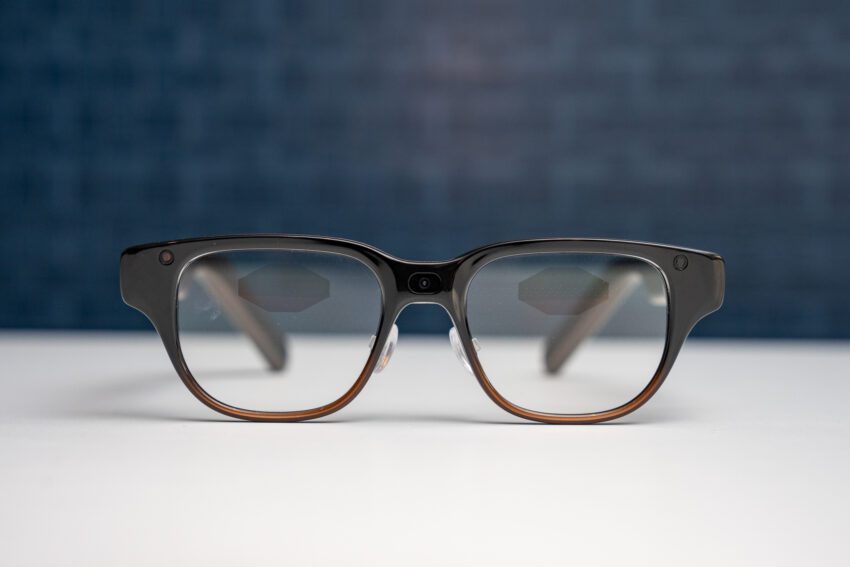
The design of Lenovo’s concept AI glasses is both lightweight and functional, weighing in at approximately 45 grams. This weight is critical for user comfort, especially for devices intended for prolonged use. The glasses feature a 2MP camera positioned just above the nose bridge, which is expected to facilitate various AR applications, including object recognition and real-time information overlay.
According to a nearby spec sheet, the glasses are equipped with a green monochrome display in both lenses. This design choice aligns with trends observed at previous tech expos, where monochrome displays were favored for their simplicity and effectiveness in conveying information without overwhelming the user. The glasses also boast a 28-degree field of view, which is relatively standard for AR devices, allowing users to engage with their environment while receiving digital information.
In terms of brightness, the glasses are designed to reach up to 1,500 nits, making them suitable for outdoor use where sunlight can often hinder visibility. The inclusion of two microphones and two speakers suggests that Lenovo is prioritizing audio input and output, which is essential for interactive applications and voice commands.
Powering these features is a 214mAh battery, which, while modest, is designed to support the glasses’ functionalities for a reasonable duration. The battery life will be a crucial factor for users, as prolonged usage without frequent recharging is often a concern with wearable technology.
Market Context and Competition
Lenovo’s announcement comes amid a competitive landscape in the smart glasses market. Companies like Google, Meta, and Apple have made significant strides in developing AR and VR technologies, each offering unique features and capabilities. For instance, Meta’s Ray-Ban Stories and Google’s earlier attempts with Google Glass have set benchmarks for what consumers expect from smart eyewear.
The resurgence of interest in smart glasses can be attributed to advancements in AI and machine learning, which have made it possible to integrate more sophisticated functionalities into compact devices. As consumers become more accustomed to wearable technology, the demand for innovative solutions that enhance daily life continues to grow.
Consumer Expectations
As Lenovo enters this market, consumer expectations are high. Users are looking for devices that not only provide augmented reality experiences but also seamlessly integrate into their daily routines. The ability to receive notifications, navigate, and interact with digital content without the need for a smartphone is becoming increasingly desirable.
Moreover, privacy concerns surrounding the use of cameras in wearable devices cannot be overlooked. Lenovo will need to address these issues proactively to gain consumer trust. Transparency about data usage and robust privacy features will be essential in ensuring that users feel comfortable adopting this technology.
Potential Applications of AI Glasses
The potential applications for Lenovo’s concept AI glasses are vast and varied. From enhancing productivity in professional settings to providing immersive experiences in entertainment, the possibilities are limited only by the imagination of developers and users alike.
Professional Use Cases
In professional environments, these glasses could serve as powerful tools for training and collaboration. For instance, they could enable remote assistance, allowing experts to guide users through complex tasks in real-time. This could be particularly beneficial in fields such as healthcare, manufacturing, and engineering, where precision and expertise are paramount.
Additionally, the glasses could facilitate hands-free access to information, allowing workers to consult manuals, schematics, or other resources without interrupting their workflow. This could lead to increased efficiency and reduced error rates in various industries.
Entertainment and Gaming
In the realm of entertainment, Lenovo’s AI glasses could revolutionize how users engage with media. Imagine watching a movie where characters interact with the environment around you, or playing a game that overlays digital elements onto the real world. The integration of AI could also allow for personalized experiences, adapting content based on user preferences and behaviors.
Furthermore, social interactions could be enhanced through shared experiences, where multiple users can engage with the same digital content simultaneously, regardless of their physical location. This could pave the way for new forms of social gaming and collaborative storytelling.
Stakeholder Reactions and Industry Implications
The unveiling of Lenovo’s concept AI glasses has garnered mixed reactions from industry stakeholders. While many are excited about the potential of augmented reality and the innovations it can bring, others remain skeptical about the practicality and market readiness of such devices.
Industry Experts
Industry experts have pointed out that while the technology behind smart glasses is promising, the success of such devices will largely depend on user adoption. Factors such as price, functionality, and ease of use will play significant roles in determining whether consumers are willing to invest in this technology.
Moreover, experts emphasize the importance of creating a robust ecosystem of applications that can fully leverage the capabilities of the glasses. Without compelling use cases and applications, even the most advanced hardware may struggle to gain traction in the market.
Consumer Feedback
Initial consumer feedback has highlighted the need for comfort and style in wearable technology. Many potential users express concerns about the aesthetics of smart glasses, as they often prefer devices that do not compromise their personal style. Lenovo will need to consider these factors in the design process to ensure that their product appeals to a broad audience.
Future Prospects for Lenovo’s AI Glasses
As Lenovo continues to develop its concept AI glasses, the company faces both opportunities and challenges. The growing interest in augmented reality presents a significant market potential, but the path to success will require careful navigation of consumer preferences and competitive pressures.
Lenovo’s commitment to innovation and technology will be crucial as they refine their product and prepare for a potential market launch. By addressing consumer concerns and focusing on creating a seamless user experience, Lenovo can position itself as a key player in the evolving landscape of smart eyewear.
In conclusion, Lenovo’s introduction of concept AI glasses at CES 2026 marks an important step in the company’s journey into augmented reality. As the technology continues to evolve, the implications for various industries and everyday consumers are profound. The success of these glasses will depend on Lenovo’s ability to balance innovation with practicality, ensuring that they meet the needs and expectations of a diverse user base.
Source: Original report
Was this helpful?
Last Modified: January 7, 2026 at 8:39 am
0 views