lenovo is building an ai assistant that Lenovo has unveiled its ambitious AI assistant, Qira, which aims to operate seamlessly across its devices, marking a significant step in the integration of artificial intelligence into everyday technology.
lenovo is building an ai assistant that
Introduction to Qira
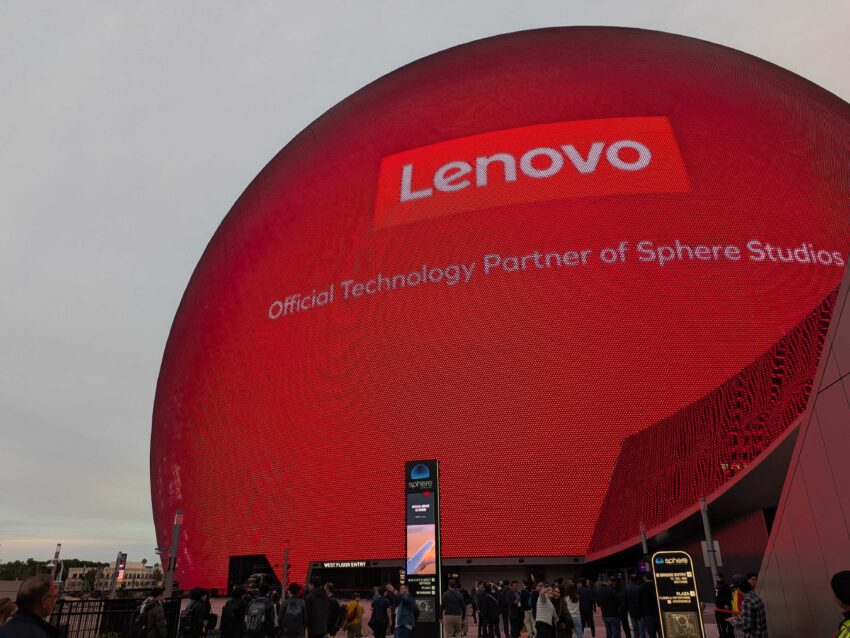
At the recent Consumer Electronics Show (CES) in Las Vegas, Lenovo showcased Qira, a system-level AI assistant designed to function across its laptops and Motorola smartphones. This announcement comes at a time when the AI landscape is rapidly evolving, with many companies focusing on model development and cloud platforms. However, Lenovo’s unique position as the world’s leading PC manufacturer enables it to directly influence how AI is integrated into the daily lives of millions of users.
Lenovo’s Strategic Position in the AI Landscape
Lenovo’s decision to develop Qira is not merely a response to market trends; it is a strategic move that leverages its extensive user base. With tens of millions of devices shipped annually, Lenovo has a direct line to consumers, allowing it to shape the AI experience in a way that many other tech companies cannot. This positions Lenovo not just as a hardware manufacturer but as a key player in the AI ecosystem.
Understanding the AI Assistant’s Capabilities
Qira is designed to be more than just a voice-activated assistant; it aims to act on behalf of users, streamlining tasks and enhancing productivity. Lenovo envisions Qira as an intelligent companion that can learn from user behavior, preferences, and routines. This capability could allow Qira to perform tasks such as:
- Scheduling meetings and reminders based on user habits.
- Managing emails and notifications across devices.
- Providing personalized recommendations for applications and services.
- Facilitating seamless transitions between devices, such as moving from a laptop to a smartphone.
By integrating Qira into both laptops and smartphones, Lenovo aims to create a cohesive ecosystem that enhances user experience. This cross-device functionality is particularly significant in a world where users frequently switch between devices for work and personal tasks.
Technological Innovations Behind Qira
The development of Qira involves advanced machine learning algorithms and natural language processing capabilities. These technologies enable the assistant to understand and respond to user commands in a more human-like manner. Lenovo has emphasized that Qira is designed to prioritize user privacy and security, addressing concerns that often accompany AI technologies.
Privacy and Security Considerations
As AI assistants become more integrated into daily life, concerns about data privacy and security have become paramount. Lenovo has stated that Qira will incorporate robust security measures to protect user data. This includes end-to-end encryption and strict data handling protocols. Users will have control over their data, with options to customize privacy settings according to their preferences.
Implications for Users and the Market
The introduction of Qira could have significant implications for both users and the broader technology market. For consumers, the ability to have a unified AI assistant across devices could enhance productivity and streamline daily tasks. This could lead to a more efficient workflow, particularly for professionals who rely on multiple devices throughout the day.
Impact on the Competitive Landscape
In the competitive landscape of AI assistants, Qira’s cross-device functionality may set it apart from existing offerings. Major players like Amazon’s Alexa, Apple’s Siri, and Google Assistant have established themselves in the market, but they often operate within their own ecosystems. Lenovo’s approach could challenge this status quo by providing a more integrated solution that caters to users who utilize both laptops and smartphones extensively.
Stakeholder Reactions
Reactions to Lenovo’s announcement have been mixed, reflecting the diverse perspectives within the tech community. Industry analysts have noted that while Lenovo’s entry into the AI assistant market is promising, it will need to demonstrate the unique value of Qira to gain traction among consumers.
Consumer Expectations
Consumers are increasingly looking for AI solutions that enhance their daily lives without compromising privacy. Lenovo’s commitment to user control over data may resonate with privacy-conscious users. However, the success of Qira will ultimately depend on its ability to deliver on its promises and provide a seamless user experience.
Future Developments and Roadmap
Looking ahead, Lenovo has indicated that Qira will continue to evolve. The company plans to gather user feedback and iterate on the assistant’s capabilities. This iterative approach is crucial in the fast-paced world of technology, where user needs and expectations can shift rapidly.
Integration with Other Services
Lenovo has hinted at potential integrations with third-party applications and services, which could further enhance Qira’s functionality. By collaborating with software developers and service providers, Lenovo could expand Qira’s capabilities, making it a more versatile tool for users.
Conclusion
Lenovo’s introduction of Qira represents a significant step in the integration of AI into everyday technology. By leveraging its extensive user base and focusing on cross-device functionality, Lenovo aims to create a unique AI assistant that enhances productivity and user experience. As the AI landscape continues to evolve, Qira’s success will depend on its ability to meet consumer expectations while addressing privacy and security concerns. The coming months will be crucial for Lenovo as it navigates the challenges and opportunities presented by this ambitious initiative.
Source: Original report
Was this helpful?
Last Modified: January 7, 2026 at 8:37 am
0 views