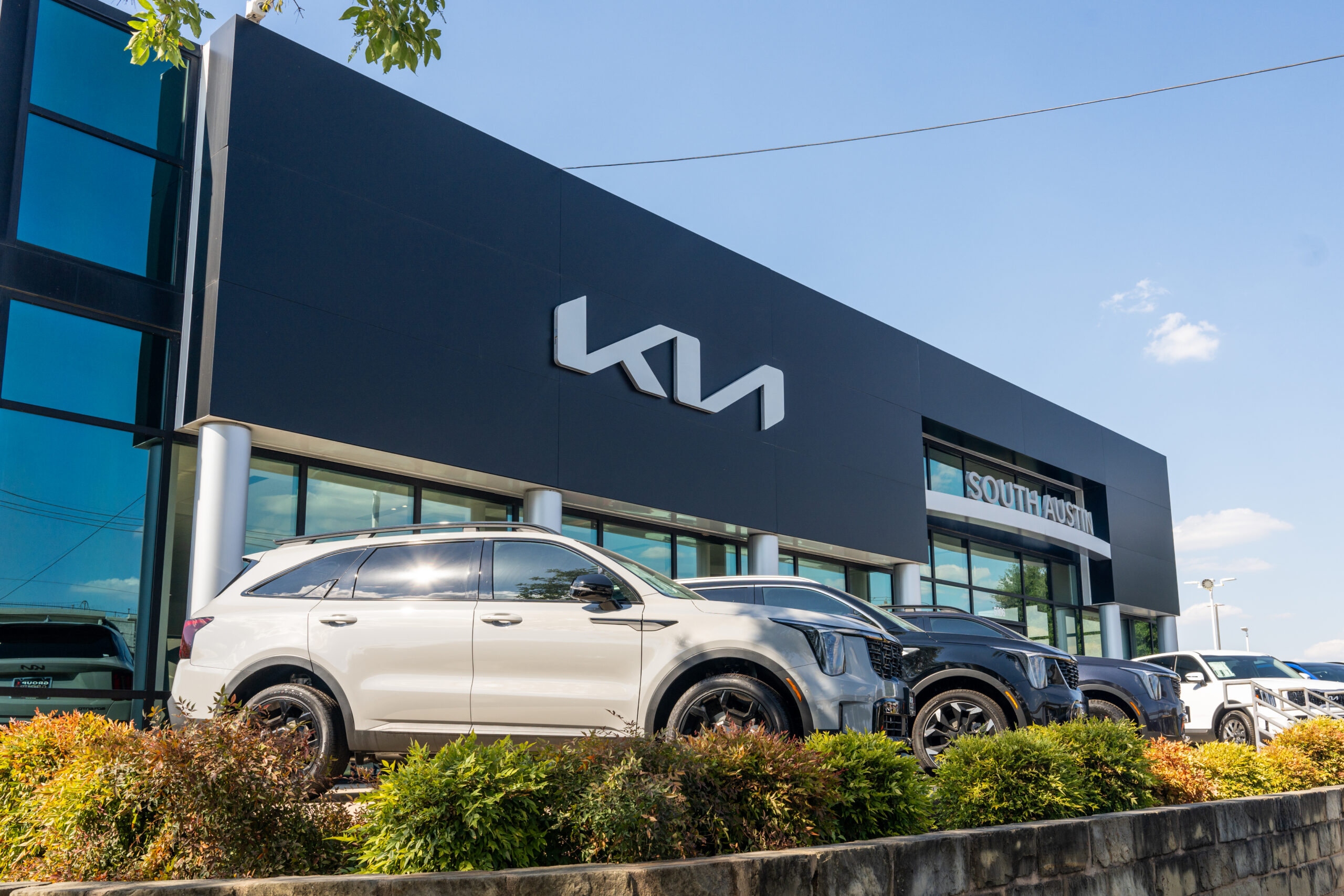
kia and hyundai will spend millions fixing Kia and Hyundai are set to invest significantly in enhancing the security of millions of their vehicles in response to a settlement aimed at curbing a wave of thefts linked to the so-called “Kia Boyz.”
kia and hyundai will spend millions fixing
Background of the Issue
The term “Kia Boyz” refers to a group of young individuals who gained notoriety for stealing Kia and Hyundai vehicles using a simple method that exploits a vulnerability in the ignition systems of certain models. This trend became particularly pronounced in recent years, with social media platforms amplifying the issue by showcasing how easy it was to steal these cars with just a USB cable. The phenomenon not only raised concerns among vehicle owners but also caught the attention of law enforcement and state officials.
In response to the escalating thefts, numerous states initiated legal actions against Kia and Hyundai, arguing that the automakers had failed to implement adequate anti-theft measures in their vehicles. The lack of an engine immobilizer in many models made them particularly susceptible to theft, leading to a significant increase in incidents across the United States.
The Settlement Agreement
As part of a comprehensive settlement agreement reached with dozens of U.S. states, Kia and Hyundai have committed to providing free repairs for approximately nine million vehicles sold between 2011 and 2022. This initiative is designed to enhance the security of these vehicles by installing a zinc sleeve around the ignition cylinder, which will help prevent the theft method popularized by the “Kia Boyz.”
Details of the Repairs
The installation of the zinc sleeve is a critical component of the automakers’ strategy to mitigate the theft risk associated with their vehicles. The sleeve acts as a physical barrier, making it significantly more difficult for thieves to manipulate the ignition system and start the vehicle without a key. This repair is expected to be available at no cost to vehicle owners, effectively addressing the vulnerabilities that have plagued these models.
The estimated cost of these repairs could reach up to $500 million. This figure encompasses not only the installation of the zinc sleeves but also the logistical expenses associated with the outreach to vehicle owners and the execution of the repair program. In addition to the repairs, Kia and Hyundai have agreed to provide several million dollars in restitution to owners whose vehicles have been damaged or stolen due to these thefts.
Future Security Measures
In addition to the immediate repairs, Kia and Hyundai have made a commitment to enhance the security features in all future models. The automakers have pledged that every new vehicle will come equipped with an engine immobilizer, a crucial anti-theft technology that prevents unauthorized access to the vehicle’s ignition system. This move is expected to significantly reduce the risk of theft for future customers and restore confidence in the brand’s commitment to vehicle security.
Implications for Vehicle Owners
The settlement and subsequent repairs are expected to have a profound impact on vehicle owners. Many individuals who have experienced theft or attempted theft of their Kia or Hyundai vehicles will likely feel a sense of relief knowing that the automakers are taking responsibility for the vulnerabilities in their vehicles. The free repairs will not only enhance the security of their cars but also potentially increase the resale value of these vehicles by addressing a significant concern for prospective buyers.
Moreover, the restitution payments will provide financial relief to those who have suffered losses due to theft. This aspect of the settlement acknowledges the emotional and financial toll that vehicle theft can take on individuals and families. By compensating affected owners, Kia and Hyundai are taking steps to rebuild trust with their customer base.
Reactions from Stakeholders
The settlement has elicited a range of reactions from various stakeholders, including law enforcement, consumer advocacy groups, and the general public. Law enforcement agencies have expressed cautious optimism regarding the automakers’ commitment to improving vehicle security. Many officers have noted that the rise in Kia and Hyundai thefts has strained police resources and diverted attention from other pressing issues. Enhanced security measures are seen as a positive step toward reducing the overall crime rate associated with vehicle theft.
Consumer advocacy groups have also welcomed the settlement, viewing it as a necessary response to a growing problem. They argue that automakers have a responsibility to ensure the safety and security of their vehicles and that this settlement represents a step in the right direction. However, some advocates caution that more needs to be done to address the root causes of vehicle theft and to educate consumers about preventive measures they can take.
Public Sentiment
Public sentiment surrounding the settlement has been largely positive, particularly among Kia and Hyundai owners. Many individuals have taken to social media to express their relief and gratitude for the automakers’ proactive approach to addressing the theft issue. However, there are also voices of skepticism, with some consumers questioning whether the repairs will be sufficient to deter determined thieves. The effectiveness of the zinc sleeve installation will ultimately be tested in the real world, and many owners are eager to see tangible results.
Conclusion
The settlement between Kia, Hyundai, and numerous U.S. states marks a significant turning point in the ongoing battle against vehicle theft, particularly for the models most affected by the “Kia Boyz” phenomenon. By committing to free repairs and future security enhancements, the automakers are taking crucial steps to protect their customers and restore faith in their brands. As the repair program rolls out and new models are equipped with improved anti-theft technology, it will be essential to monitor the impact of these changes on theft rates and consumer confidence.
In the coming months, Kia and Hyundai will need to effectively communicate with vehicle owners about the repair process and ensure that the installation of the zinc sleeves is executed efficiently. The success of this initiative will depend not only on the technical effectiveness of the repairs but also on the automakers’ ability to engage with their customer base and address any lingering concerns about vehicle security.
Source: Original report
Was this helpful?
Last Modified: December 18, 2025 at 10:38 pm
6 views