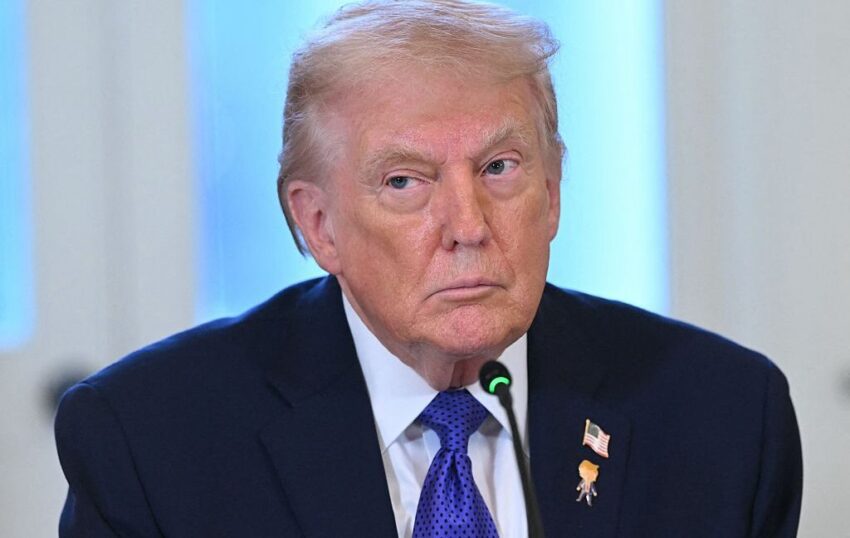
judge trump violated fifth amendment by ending A federal judge has ruled that the Trump administration violated the Fifth Amendment by terminating billions of dollars in environmental grants aimed at projects in states that predominantly voted for his opponent in the 2024 election.
judge trump violated fifth amendment by ending
Background of the Case
The ruling stems from actions taken by the Trump administration in October 2024, coinciding with a government shutdown. During this period, the Department of Energy (DOE) canceled a total of 315 grants, effectively halting support for 223 projects valued at approximately $7.5 billion. The majority of these grants were awarded to entities in states that did not support Trump in the election, raising questions about the motivations behind the cancellations.
According to the DOE, the terminated grants were primarily focused on initiatives related to electric vehicle development, updating building energy codes, and addressing methane emissions. These projects were seen as critical for advancing environmental sustainability and combating climate change, making the abrupt cancellation particularly controversial.
The Legal Arguments
In the lawsuit, seven awardees challenged the cancellations, arguing that the actions taken by the Trump administration were not only unjust but also unconstitutional. They claimed that the administration’s decision was rooted in political bias, specifically targeting states that leaned Democratic in the election. The plaintiffs pointed to social media posts from Trump officials that appeared to celebrate the decision to punish “blue states,” further solidifying their argument of discrimination.
Fifth Amendment Implications
The Fifth Amendment of the United States Constitution provides several protections, including the right to due process. The judge’s ruling highlighted that the termination of these grants constituted a violation of this right, as the affected states were singled out based on their political affiliations. The judge emphasized that the government cannot use its powers to discriminate against individuals or entities based on their political beliefs or affiliations.
This ruling sets a significant precedent regarding the use of federal funds and the responsibilities of government officials to act impartially. The implications of this decision extend beyond the immediate case, potentially influencing how federal grants are awarded and managed in the future.
Reactions from Stakeholders
The reaction to the ruling has been mixed, with various stakeholders expressing their views. Environmental advocates hailed the decision as a victory for fairness and justice, arguing that the cancellation of these grants was an attempt to undermine critical environmental initiatives in states that did not support Trump. They emphasized the importance of federal funding in addressing climate change and promoting sustainable practices.
On the other hand, some critics of the ruling argue that it sets a dangerous precedent by allowing the judiciary to interfere in executive decisions regarding federal funding. They contend that the administration should have the discretion to allocate resources as it sees fit, particularly in the context of political considerations. This perspective raises questions about the balance of power between the executive and judicial branches of government.
Political Context
The political landscape surrounding this case is complex. The 2024 election saw a significant divide between red and blue states, with many voters in blue states expressing frustration over the Trump administration’s policies. The decision to terminate grants in these states was viewed by many as a retaliatory measure, further exacerbating tensions between the federal government and state leaders.
In the aftermath of the ruling, some Democratic lawmakers have called for increased oversight of federal grant allocations to ensure that political bias does not influence funding decisions. They argue that federal resources should be distributed based on merit and need, rather than political affiliation.
Broader Implications for Federal Funding
This case raises important questions about the future of federal funding and the criteria used to allocate resources. The judge’s ruling could lead to increased scrutiny of how grants are awarded and the potential for legal challenges against perceived discrimination in funding decisions. As federal agencies navigate the complexities of political affiliations and funding allocations, transparency and accountability will become paramount.
Environmental Projects at Stake
The projects affected by the grant cancellations were not merely bureaucratic initiatives; they represented significant investments in the future of energy and environmental sustainability. For instance, many of the canceled projects were designed to accelerate the transition to electric vehicles, a critical component of reducing greenhouse gas emissions. Additionally, updating building energy codes is essential for improving energy efficiency and reducing overall energy consumption.
Addressing methane emissions is another crucial aspect of environmental policy, as methane is a potent greenhouse gas that contributes significantly to climate change. The termination of grants aimed at mitigating methane emissions could have long-term consequences for both the environment and public health.
Future Legal Challenges
As the implications of this ruling unfold, it is likely that we will see further legal challenges related to federal funding and political discrimination. The precedent set by this case may embolden other organizations and individuals to pursue legal action if they believe they have been unfairly targeted based on political affiliations. This could lead to a more litigious environment surrounding federal grants, with courts potentially becoming more involved in determining the appropriateness of funding decisions.
Potential Legislative Responses
In light of the ruling, lawmakers may consider introducing legislation aimed at safeguarding federal funding from political bias. Such measures could include establishing clearer guidelines for grant allocation, implementing oversight mechanisms, and ensuring that funding decisions are based on objective criteria rather than political considerations. This could help restore public trust in the federal grant process and ensure that resources are allocated fairly and equitably.
Conclusion
The ruling that the Trump administration violated the Fifth Amendment by terminating environmental grants in blue states underscores the importance of impartiality in federal funding decisions. As the legal and political ramifications of this case continue to unfold, it will be crucial for stakeholders to advocate for transparency and fairness in the allocation of federal resources. The outcome of this case may not only impact the affected projects but also shape the future landscape of federal funding and environmental policy in the United States.
Source: Original report
Was this helpful?
Last Modified: January 13, 2026 at 6:41 am
0 views