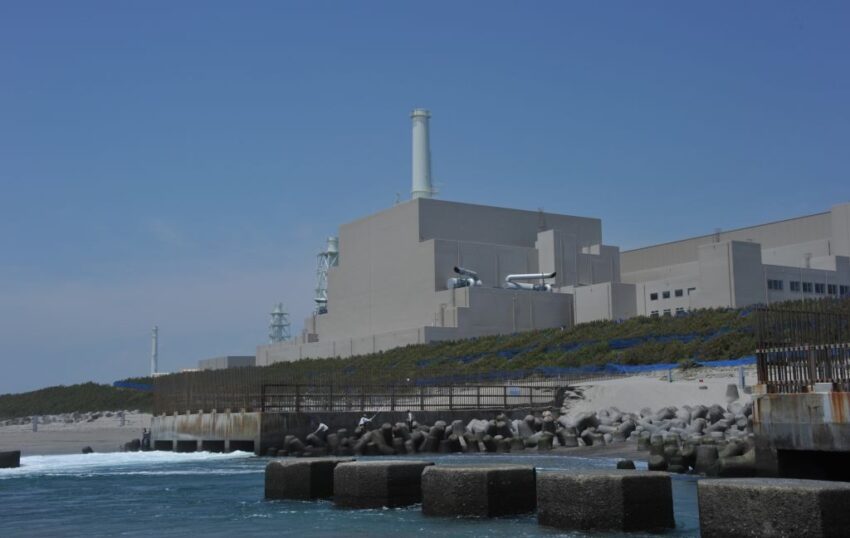
japanese nuclear plant operator fabricated seismic risk Japan’s Nuclear Regulation Authority has announced a significant halt in the relicensing process for two reactors at the Hamaoka nuclear plant due to fabricated seismic hazard data by the plant’s operator.
japanese nuclear plant operator fabricated seismic risk
Background on Japan’s Nuclear Energy Landscape
Japan’s relationship with nuclear energy has been tumultuous, particularly following the catastrophic Fukushima Daiichi disaster in March 2011. The disaster, triggered by a massive earthquake and tsunami, led to widespread public fear and skepticism regarding nuclear safety. In the aftermath, all of Japan’s nuclear reactors were taken offline for safety inspections and regulatory reviews. As a result, the country has been gradually attempting to reactivate its nuclear power plants to meet energy demands and reduce reliance on fossil fuels.
The Hamaoka nuclear plant, located on the coast of Shizuoka Prefecture, has been a focal point in this ongoing narrative. Its proximity to the Nankai Trough, an active subduction zone, raises serious concerns about seismic risks. The plant was previously shut down in 2011 due to safety concerns, and its future has been under scrutiny ever since. The recent revelations regarding fabricated seismic data have reignited fears about the plant’s safety and the integrity of the regulatory processes in place.
The Recent Scandal
The recent scandal came to light when the Nuclear Regulation Authority (NRA) announced on Wednesday that it would suspend the relicensing process for two reactors at the Hamaoka plant. This decision was prompted by the discovery that the operator, Chubu Electric Power Co., had manipulated seismic hazard data. The implications of this revelation are profound, as it raises questions about the safety protocols and the reliability of the data used to assess seismic risks.
Whistleblower Revelation
A whistleblower reportedly alerted the NRA to the issue in February of the previous year. However, the matter only became public knowledge this week when the NRA announced the halt in the evaluation process that could have led to a reactor restart. This delay has significant implications for the future of the Hamaoka plant and the broader nuclear energy landscape in Japan.
In response to the allegations, Chubu Electric Power Co. issued a press release detailing how the company manipulated the seismic safety data. The press release indicated that the seismic risks were evaluated by scaling up ground motion data derived from smaller earthquakes. This method is inherently imprecise, and the standard approach typically involves creating a group of 20 different upscaled earthquake motions to determine which one best represents the average among the group.
Technical Aspects of Seismic Risk Assessment
The process of assessing seismic risks is critical for the safety of nuclear power plants, especially those located in seismically active regions like Japan. The manipulation of seismic data raises serious concerns about the reliability of the assessments conducted by Chubu Electric Power Co. and the potential implications for public safety.
Seismic hazard assessments generally involve complex modeling techniques that take into account various factors, including historical earthquake activity, geological conditions, and the structural integrity of the plant itself. The use of scaled-up ground motion data from smaller earthquakes, as reported, suggests a lack of rigor in the assessment process. This could lead to underestimating the potential risks posed by larger seismic events, which is particularly concerning given the plant’s location near an active fault line.
Regulatory Implications
The NRA’s decision to halt the relicensing process underscores the importance of stringent regulatory oversight in the nuclear energy sector. The agency’s role is to ensure that nuclear facilities operate safely and that operators adhere to established safety standards. The revelation of fabricated seismic data raises questions about the effectiveness of the regulatory framework and the potential need for reforms to enhance transparency and accountability.
In light of this scandal, the NRA may need to reassess its evaluation processes and consider implementing more rigorous oversight measures. This could include increased scrutiny of data submitted by operators and the establishment of independent review bodies to verify the accuracy of seismic assessments. The goal would be to restore public confidence in the safety of nuclear energy in Japan and ensure that such incidents do not occur in the future.
Public Reaction and Stakeholder Responses
The public reaction to the news of fabricated seismic data has been one of shock and dismay. Many citizens are already wary of nuclear energy following the Fukushima disaster, and this latest scandal has further eroded trust in the industry. Activists and environmental groups have expressed outrage, calling for greater transparency and accountability from both the government and nuclear operators.
Local communities near the Hamaoka plant have also raised concerns about the potential risks associated with the facility’s operation. Given the plant’s location near an active fault line, residents are understandably anxious about the implications of the fabricated data and the potential for a seismic event. The NRA’s decision to halt the relicensing process may provide some reassurance to these communities, but it also raises questions about the future of the plant and the potential for continued reliance on nuclear energy in Japan.
Industry Reactions
Industry stakeholders have also weighed in on the situation. Chubu Electric Power Co. has expressed regret over the incident and emphasized its commitment to rectifying the situation. The company has stated that it will work closely with the NRA to address the issues raised and ensure that all safety protocols are followed moving forward.
However, the broader implications for the nuclear energy sector in Japan are significant. The scandal may lead to increased scrutiny of other nuclear facilities across the country, as regulators and the public demand greater transparency and accountability. This could result in a more cautious approach to reactor restarts and a reevaluation of the role of nuclear energy in Japan’s energy mix.
Future of Nuclear Energy in Japan
The future of nuclear energy in Japan remains uncertain in the wake of this scandal. While the government has been advocating for a return to nuclear power as a means of achieving energy security and reducing carbon emissions, incidents like this raise significant challenges. The public’s trust in the safety of nuclear facilities has been severely compromised, and restoring that trust will require substantial efforts from both the government and industry stakeholders.
As Japan continues to grapple with its energy needs and the implications of climate change, the role of nuclear power will likely be a contentious issue. The recent revelations at the Hamaoka plant may serve as a catalyst for a broader discussion about the future of nuclear energy in the country, including the need for enhanced safety measures, transparency, and public engagement in decision-making processes.
Conclusion
The decision by Japan’s Nuclear Regulation Authority to halt the relicensing process for the Hamaoka nuclear plant highlights the critical importance of integrity in safety assessments. The revelation of fabricated seismic hazard data raises serious concerns about the safety of nuclear facilities in seismically active regions and underscores the need for robust regulatory oversight. As Japan navigates its energy future, the lessons learned from this scandal will be vital in shaping policies that prioritize public safety and environmental sustainability.
Source: Original report
Was this helpful?
Last Modified: January 8, 2026 at 4:41 pm
1 views