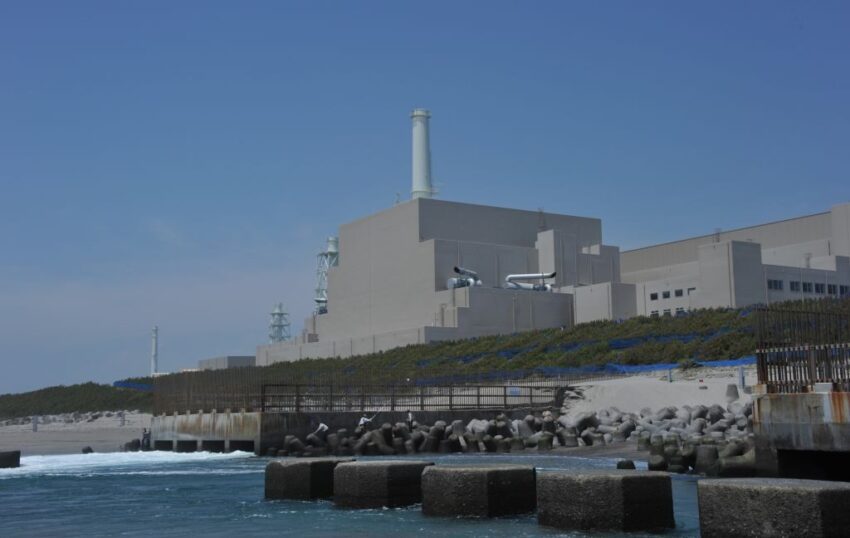
japanese nuclear plant operator fabricated seismic risk Japan’s Nuclear Regulation Authority has announced the suspension of the relicensing process for two reactors at the Hamaoka plant due to serious allegations of fabricated seismic hazard data by the plant’s operator.
japanese nuclear plant operator fabricated seismic risk
Background of the Hamaoka Plant
The Hamaoka nuclear power plant, operated by Chubu Electric Power Co., is situated on Japan’s Pacific coast, near an active subduction fault. This geographical positioning raises significant concerns about seismic safety, especially in light of Japan’s history with earthquakes and tsunamis. The Fukushima Daiichi disaster in 2011, which resulted in a nuclear meltdown following a massive earthquake and tsunami, has made the scrutiny of nuclear facilities in Japan even more critical.
Following the Fukushima incident, Japan’s nuclear power plants were largely shut down, leading to a significant energy crisis. The government has since been working to reactivate its nuclear fleet, emphasizing the need for stringent safety measures and regulatory oversight. The Hamaoka plant, in particular, has been under close examination due to its location and the inherent risks associated with seismic activity.
Whistleblower Revelations
The Nuclear Regulation Authority (NRA) was first alerted to the potential misconduct by a whistleblower in February of the previous year. However, the issue did not come to light publicly until this week, when the NRA announced the halt of the evaluation process that could have led to the restart of the reactors. This delay has raised questions about the integrity of the data used in assessing the plant’s seismic safety.
In a press release issued by Chubu Electric Power Co., the company detailed the methods it used to manipulate seismic safety data. The revelations have sent shockwaves through the community, as they undermine the trust that the public and regulators have in the nuclear energy sector.
Details of the Data Manipulation
The manipulation of seismic hazard data involved evaluating seismic risks by scaling up ground motion data derived from smaller earthquakes. This method is inherently imprecise, as it relies on extrapolating data from less severe seismic events to predict the potential impact of larger earthquakes. The standard practice in seismic risk assessment is to create a set of 20 different upscaled earthquake motions and identify the one that best represents the average among them. However, it appears that Chubu Electric Power Co. deviated from this established protocol.
By not adhering to the standard methodology, the company may have downplayed the actual seismic risks associated with the Hamaoka plant. This raises significant concerns not only about the safety of the reactors but also about the broader implications for nuclear energy policy in Japan.
Regulatory Implications
The NRA’s decision to halt the relicensing process is a critical step in ensuring that safety standards are upheld in the nuclear energy sector. The authority has emphasized the importance of transparency and integrity in the data used to assess seismic risks. This incident could lead to stricter regulations and oversight for nuclear facilities across Japan, as the government seeks to regain public trust in the nuclear energy sector.
Moreover, the NRA’s actions may prompt other operators to reevaluate their own safety data and practices. The scrutiny of the Hamaoka plant could serve as a wake-up call for the entire industry, highlighting the need for rigorous adherence to safety protocols and ethical standards.
Public Reaction and Stakeholder Concerns
The public reaction to the news of fabricated seismic data has been one of outrage and concern. Many citizens are apprehensive about the safety of nuclear power, especially given Japan’s recent history with nuclear disasters. Activist groups and environmental organizations have called for greater accountability and transparency from nuclear operators, urging the government to take a firm stance against any form of data manipulation.
Stakeholders within the energy sector are also expressing concerns about the long-term implications of this scandal. Investors may become wary of funding nuclear projects, fearing that regulatory hurdles and public opposition could hinder future developments. Additionally, the incident could impact Japan’s energy policy, potentially leading to a reevaluation of the role of nuclear power in the country’s energy mix.
Lessons Learned and Future Outlook
The Hamaoka scandal serves as a stark reminder of the importance of integrity in the nuclear energy sector. As Japan continues to navigate its energy landscape post-Fukushima, the need for rigorous safety standards and transparent practices has never been more critical. The incident underscores the necessity for operators to prioritize safety over profit and to maintain open lines of communication with regulators and the public.
Looking ahead, the future of the Hamaoka plant and other nuclear facilities in Japan remains uncertain. The NRA’s decision to halt the relicensing process could delay the reactivation of the Hamaoka reactors for an extended period, as the regulatory authority conducts a thorough investigation into the data manipulation allegations. This could have significant implications for Japan’s energy supply, especially as the country seeks to balance its energy needs with safety concerns.
Conclusion
The revelation of fabricated seismic risk data by Chubu Electric Power Co. has cast a shadow over the future of nuclear energy in Japan. As the Nuclear Regulation Authority takes steps to ensure safety and integrity in the sector, the incident highlights the critical need for transparency and accountability. The path forward will require collaboration among regulators, operators, and the public to rebuild trust and ensure the safety of nuclear facilities in the country.
Source: Original report
Was this helpful?
Last Modified: January 8, 2026 at 3:40 am
3 views