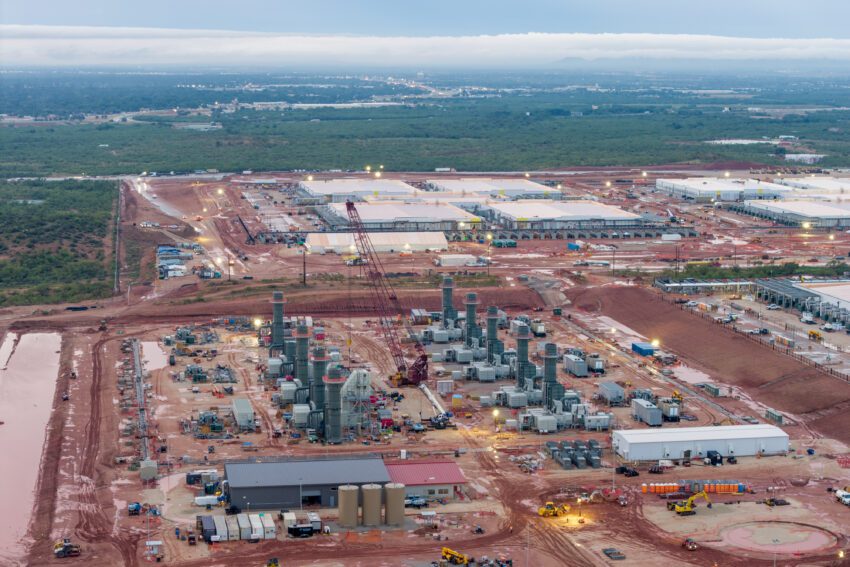
it s a new heyday for gas The United States is experiencing a significant increase in gas power generation, driven largely by the growing energy demands of data centers.
it s a new heyday for gas
Overview of the Surge in Gas Power Generation
In recent years, the global landscape for energy production has shifted dramatically, with natural gas emerging as a preferred source of power. According to a report by the nonprofit Global Energy Monitor (GEM), gas-fired power generation in development worldwide surged by 31 percent in 2025. This increase is particularly notable in the United States, which has now eclipsed China as the country with the most substantial growth in gas power generation. Approximately 24 percent of the newly added capacity is expected to be based in the U.S., where the demand for energy is being propelled by the rapid expansion of data centers.
Data Centers: The Driving Force
The rise of data centers has been a game-changer for energy consumption patterns. These facilities, which house servers and networking equipment, require vast amounts of electricity to operate and cool their systems. As businesses increasingly rely on cloud computing, artificial intelligence, and big data analytics, the demand for data center capacity has skyrocketed. This trend is particularly pronounced in the U.S., where data centers are projected to account for more than a third of the new gas power generation capacity.
As companies invest heavily in advanced computing technologies, the energy demands of these data centers are expected to continue rising. This has led to a renewed focus on natural gas as a reliable and relatively cleaner alternative to coal and oil. The flexibility of gas-fired power plants allows them to quickly ramp up production to meet fluctuating demands, making them an attractive option for energy providers.
Environmental Implications
While the expansion of gas power generation may offer short-term benefits in terms of energy reliability and lower emissions compared to coal, it is not without significant environmental concerns. The increased reliance on natural gas contributes to planet-heating pollution, primarily in the form of methane emissions. Methane, a potent greenhouse gas, has a much higher heat-trapping ability than carbon dioxide over a short time frame, making its release particularly concerning in the context of climate change.
The Methane Challenge
Natural gas is primarily composed of methane, and its extraction, transportation, and combustion can lead to methane leaks. These leaks can occur at various points in the supply chain, from drilling sites to pipelines and storage facilities. According to the Environmental Protection Agency (EPA), the oil and gas industry is one of the largest sources of methane emissions in the U.S. Reducing these emissions is critical for mitigating climate change, yet the current surge in gas power generation may complicate these efforts.
Experts warn that while natural gas may serve as a transitional fuel, its continued use could hinder the transition to renewable energy sources. The infrastructure investments in gas power generation may lock in fossil fuel dependency for decades, delaying the necessary shift to sustainable energy solutions.
Stakeholder Reactions
The rapid expansion of gas power generation has elicited a range of responses from various stakeholders, including environmental groups, energy companies, and policymakers. Environmental advocates have raised alarms about the potential long-term impacts of increased gas production on climate change. They argue that investments in gas infrastructure could divert resources away from renewable energy projects, ultimately undermining efforts to reduce carbon emissions.
Industry Perspectives
On the other hand, energy companies view the surge in gas power generation as an opportunity to meet rising energy demands while providing a more stable and reliable power source. Many companies are investing in advanced technologies to improve the efficiency of gas-fired power plants and reduce emissions. Some argue that natural gas can serve as a bridge fuel, facilitating the transition to a more sustainable energy future.
Government Policies
Policymakers are also grappling with the implications of this energy shift. Some states have embraced natural gas as a means to meet energy demands while transitioning away from coal. Others are pushing for stricter regulations on methane emissions and advocating for a more aggressive shift toward renewable energy sources. The Biden administration has set ambitious climate goals, aiming for a carbon-free power sector by 2035. Balancing these goals with the immediate energy needs of the country presents a complex challenge.
Global Context
The U.S. is not alone in its pursuit of natural gas as a primary energy source. Countries around the world are investing in gas infrastructure to meet growing energy demands. The global energy landscape is shifting, with many nations recognizing the need for reliable power sources to support economic growth and technological advancements. However, the environmental implications of this shift cannot be ignored.
International Comparisons
In regions such as Europe and Asia, the reliance on natural gas is also increasing. Countries like Germany and the United Kingdom are transitioning from coal to gas as part of their efforts to reduce carbon emissions. However, this transition is fraught with challenges, including concerns about energy security and the geopolitical implications of gas supply chains. The ongoing conflict in Ukraine has further complicated energy dynamics in Europe, prompting many countries to seek alternative sources of energy, including liquefied natural gas (LNG) imports.
Future Outlook
The future of gas power generation in the U.S. and globally remains uncertain. While the current surge in gas infrastructure may address immediate energy demands, the long-term implications for climate change and sustainability are significant. As the world grapples with the realities of climate change, the focus on transitioning to renewable energy sources will likely intensify.
Technological Innovations
Advancements in technology may play a crucial role in shaping the future of energy production. Innovations in carbon capture and storage (CCS) technology could help mitigate some of the environmental impacts associated with natural gas. Additionally, improvements in energy efficiency and battery storage technologies may facilitate a more seamless transition to renewable energy sources.
Policy Directions
As the U.S. and other countries navigate the complexities of energy production, policy decisions will be critical in determining the trajectory of gas power generation. Striking a balance between meeting immediate energy needs and addressing long-term climate goals will require collaboration among governments, industry stakeholders, and environmental advocates. The path forward will likely involve a combination of regulatory measures, technological advancements, and investment in renewable energy infrastructure.
Conclusion
The surge in gas power generation in the United States reflects a broader global trend driven by the increasing energy demands of data centers and other technological advancements. While natural gas may offer a more reliable energy source compared to coal, its environmental implications, particularly concerning methane emissions, cannot be overlooked. As stakeholders continue to navigate the complexities of energy production, the future of gas power generation will depend on a careful balance between immediate energy needs and long-term sustainability goals.
Source: Original report
Was this helpful?
Last Modified: January 30, 2026 at 3:46 am
0 views