it ain t no unicorn these researchers A recent study sheds light on the motivations and experiences of individuals who dedicate their lives to the search for Bigfoot, a creature that has fascinated many since its first appearance in popular culture.
it ain t no unicorn these researchers
The Origins of the Bigfoot Phenomenon
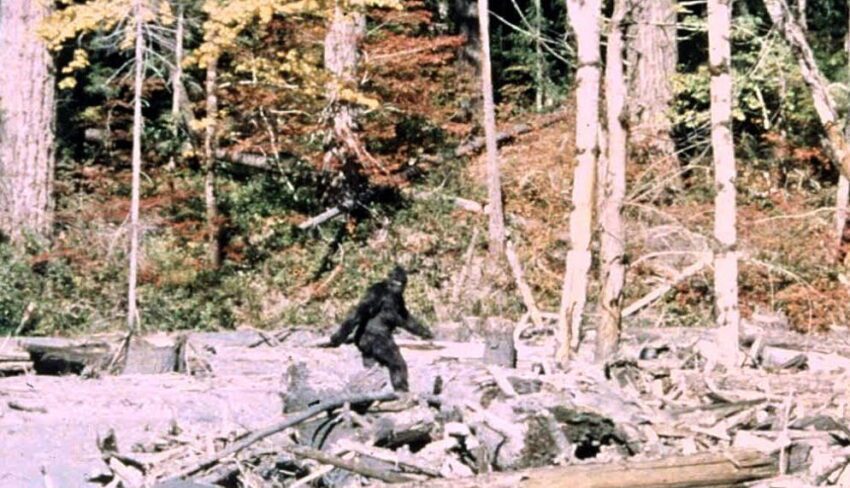
The legend of Bigfoot, often depicted as a large, ape-like creature, has captivated the public imagination for decades. The iconic moment that solidified Bigfoot’s place in folklore occurred in 1967 when a film captured a 7-foot-tall creature walking upright in the Northern California woods. The footage, which shows the creature turning to face the camera, has been analyzed and debated endlessly. While many dismiss it as a hoax or misidentified wildlife, others argue that it has never been definitively debunked. This ambiguity has fueled a subculture of enthusiasts, commonly referred to as “Bigfooters,” who are committed to uncovering the truth behind the legend.
The Cultural Impact of Bigfoot
The Bigfoot phenomenon extends beyond mere sightings; it has become a cultural icon. The creature’s image is ubiquitous, appearing in movies, television shows, and even as an emoji in digital communication. This widespread representation has contributed to the creature’s mythos, making it a staple of American folklore. The fascination with Bigfoot often reflects deeper societal themes, such as the human desire for exploration and the search for the unknown. It also taps into a primal instinct to connect with nature and the wilderness, which many modern individuals find increasingly elusive.
Researching the Bigfoot Community
Intrigued by the motivations behind this fervent pursuit, sociologists Jamie Lewis and Andrew Bartlett embarked on a research project during the COVID-19 lockdown. Their goal was to understand why individuals invest significant time and resources in the search for a creature that many consider unlikely to exist. To achieve this, they conducted interviews with over 130 Bigfoot hunters and a few academics, gathering insights into their beliefs, experiences, and practices.
Methodology of the Study
Lewis and Bartlett’s research methodology involved qualitative interviews, allowing participants to share their personal narratives and motivations. This approach provided a rich tapestry of perspectives, revealing not only the beliefs held by Bigfooters but also the social dynamics within the community. The researchers aimed to uncover the underlying psychological and sociological factors that drive individuals to engage in what many would consider a fringe activity.
Key Findings
One of the most striking findings from the study is the diversity of backgrounds among Bigfoot hunters. Participants ranged from amateur enthusiasts to seasoned researchers, each bringing their own unique perspectives to the search. Many expressed a deep-seated belief in the existence of Bigfoot, often citing personal experiences or anecdotal evidence as justification for their convictions. Others approached the phenomenon with a more skeptical mindset, viewing their search as a way to engage with nature and explore the unknown.
- Personal Experiences: Many Bigfooters reported having had personal encounters or sightings that fueled their passion. These experiences often serve as a catalyst for further exploration and investigation.
- Community and Belonging: The Bigfoot community offers a sense of belonging for many individuals. Participants described the camaraderie and support they found among fellow enthusiasts, which often transcends geographical boundaries.
- Scientific Inquiry: Some Bigfooters approach their search with a scientific mindset, employing methods such as field research, data collection, and analysis. This blend of passion and inquiry reflects a desire to bridge the gap between folklore and legitimate scientific exploration.
The Psychological Motivations Behind the Search
The motivations for seeking out Bigfoot are complex and multifaceted. For many, the search represents more than just a quest for a mythical creature; it embodies a deeper psychological need for adventure, discovery, and connection with nature. The wilderness serves as a backdrop for personal growth and exploration, allowing individuals to escape the confines of modern life.
The Role of Skepticism
Interestingly, the study revealed that skepticism plays a significant role in the Bigfoot community. Many participants acknowledged the challenges of convincing outsiders of their beliefs, leading to a shared sense of skepticism towards mainstream science and media portrayals of Bigfoot. This skepticism often fosters a sense of identity among Bigfooters, as they rally against what they perceive as a dismissive attitude from the broader society.
Implications for Scientific Inquiry
The findings from Lewis and Bartlett’s research raise important questions about the nature of scientific inquiry itself. The line between legitimate science and pseudoscience can often be blurred, particularly in fields that deal with the unknown. The Bigfoot community’s commitment to exploring the phenomenon, despite its controversial status, challenges traditional notions of what constitutes valid research. This raises the possibility that unconventional approaches to inquiry may yield valuable insights, even if they do not conform to established scientific norms.
Community Dynamics and Social Structures
The Bigfoot community is characterized by a unique social structure that fosters collaboration and knowledge sharing. Many participants emphasized the importance of networking and building relationships with fellow enthusiasts. This sense of community not only provides emotional support but also facilitates the exchange of ideas and experiences, enriching the collective understanding of the phenomenon.
Challenges Faced by Bigfooters
Despite their passion, Bigfooters face numerous challenges in their pursuit. Skepticism from the scientific community and the general public often leads to feelings of isolation. Additionally, the lack of concrete evidence supporting the existence of Bigfoot can be disheartening for those deeply invested in the search. Nevertheless, many participants expressed resilience, viewing these challenges as part of the journey rather than deterrents.
Conclusion: The Enduring Allure of Bigfoot
The search for Bigfoot continues to captivate individuals across the globe, driven by a combination of personal experiences, community dynamics, and a desire for exploration. Lewis and Bartlett’s research offers valuable insights into the motivations and experiences of Bigfoot hunters, shedding light on a subculture that thrives on the fringes of mainstream science. While the existence of Bigfoot remains unproven, the passion and dedication of those who seek it reflect a fundamental human desire to explore the unknown and connect with the mysteries of the natural world.
Source: Original report
Was this helpful?
Last Modified: February 16, 2026 at 1:37 am
4 views