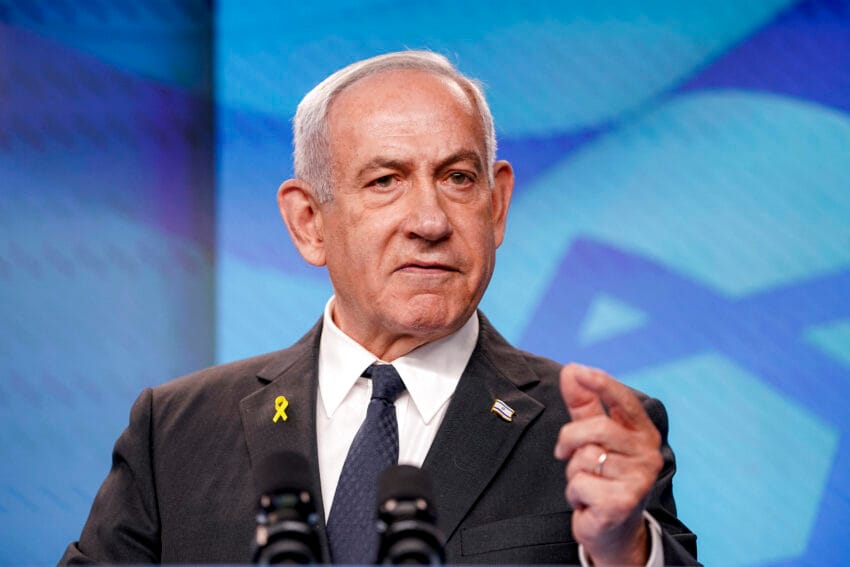
israel formally states it did not kill Israeli Prime Minister Benjamin Netanyahu has publicly denied allegations linking Israel to the death of right-wing influencer Charlie Kirk, responding to a conspiracy theory that has gained traction in certain political circles.
israel formally states it did not kill
Context of the Allegations
The controversy began following the tragic death of Charlie Kirk, a prominent figure in conservative politics and the founder of Turning Point USA, an organization aimed at promoting conservative values among young people. Kirk’s influence has been significant within the MAGA (Make America Great Again) movement, and his untimely passing has sparked a range of reactions across the political spectrum.
In the days following Kirk’s death, conspiracy theories began to circulate, particularly among some factions of the right-wing community. These theories suggested that Israel was somehow involved in his demise, a claim that many found to be baseless and inflammatory. The spread of such conspiracy theories is not new; they often arise in the wake of high-profile deaths, especially when the individual had a polarizing presence in politics.
Netanyahu’s Response
On September 18, 2025, Netanyahu took to social media to address the allegations directly. In a video statement posted on X (formerly Twitter), he stated, “Somebody has fabricated a monstrous big lie – that Israel had something to do with Charlie Kirk’s horrific murder. This is insane, it is false, it is outrageous.” His strong words were aimed at quelling the rumors and reaffirming Israel’s stance on the matter.
Netanyahu continued, emphasizing the importance of honoring Kirk’s legacy rather than allowing misinformation to tarnish it. “Charlie Kirk was a great man. He deserves honor – not lies,” he added, highlighting the absurdity of the claims while also paying tribute to the late influencer.
The Implications of Conspiracy Theories
Conspiracy theories can have far-reaching implications, particularly in the realm of politics. They can create divisions among communities, erode trust in institutions, and even incite violence. In this case, the allegations against Israel could potentially strain diplomatic relations, especially given the historical context of U.S.-Israel relations.
The spread of misinformation can also distract from more pressing issues that require attention. For instance, the focus on unfounded conspiracy theories can overshadow discussions about policy, governance, and the real challenges facing both the U.S. and Israel. As such, it is crucial for leaders to address these claims promptly and decisively, as Netanyahu did.
Reactions from Political Figures
The response to Netanyahu’s statement has been mixed, reflecting the polarized nature of contemporary politics. Some conservative commentators have praised Netanyahu for his swift denial, viewing it as a necessary step to combat misinformation. Others, however, have criticized the Israeli government for what they perceive as a lack of transparency regarding Kirk’s death.
In the aftermath of Kirk’s death, various political figures have weighed in on the situation. Some have expressed their condolences and paid tribute to Kirk’s contributions to conservative thought, while others have seized the opportunity to further their own agendas. This has led to a complex landscape where genuine mourning is intermingled with political maneuvering.
Support from Conservative Circles
Many in the conservative community have rallied around Kirk’s legacy, emphasizing his role as a champion for conservative values. Figures such as former President Donald Trump and other prominent conservatives have expressed their admiration for Kirk, framing him as a martyr for the cause. This has further fueled the narrative that any allegations against him, including those involving Israel, are not only false but also an affront to the conservative movement.
Criticism from the Left
On the other hand, some left-leaning commentators have criticized the reaction from the right, arguing that it reflects a tendency to deflect blame and avoid accountability. They contend that the spread of conspiracy theories is symptomatic of a broader issue within the conservative movement, where facts are often disregarded in favor of narratives that serve political ends.
This dynamic has led to a heated debate about the role of media and social platforms in shaping public perception. As misinformation spreads rapidly online, the responsibility of both platforms and users to critically evaluate the information they consume has come under scrutiny.
The Role of Social Media
Social media platforms have played a significant role in the dissemination of conspiracy theories. The rapid sharing of information, coupled with algorithms that prioritize sensational content, can amplify false narratives. In this case, the allegations against Israel gained traction on platforms like X, where users often engage in echo chambers that reinforce their beliefs.
Netanyahu’s decision to address the allegations through a video statement on social media reflects an understanding of the platform’s influence. By directly engaging with the public, he aimed to counter the narrative before it could gain further momentum. This approach highlights the necessity for public figures to utilize social media strategically, particularly in times of crisis.
Historical Context of U.S.-Israel Relations
The allegations against Israel also come against the backdrop of a complex historical relationship between the U.S. and Israel. For decades, the two nations have maintained a close alliance, characterized by military cooperation, economic ties, and shared democratic values. However, this relationship has not been without its challenges, particularly in the context of regional conflicts and differing political agendas.
In recent years, there has been a growing divide within American politics regarding support for Israel. Some progressive factions have called for a reevaluation of U.S. foreign policy in the Middle East, advocating for greater accountability and transparency. This has led to tensions within the Democratic Party, as some members push for a more critical stance on Israel’s actions in the region.
Netanyahu’s denial of the conspiracy theory serves as a reminder of the delicate balance that must be maintained in U.S.-Israel relations. As misinformation spreads, it is crucial for leaders to reaffirm their commitment to the alliance while also addressing the concerns of their constituents.
Conclusion
The allegations linking Israel to Charlie Kirk’s death are a stark reminder of the power of misinformation in today’s political landscape. Netanyahu’s swift denial underscores the importance of addressing conspiracy theories head-on, particularly when they threaten to undermine diplomatic relations and public trust. As the political discourse continues to evolve, it is essential for leaders and citizens alike to engage critically with the information they encounter, fostering a more informed and responsible public dialogue.
Source: Original report
Was this helpful?
Last Modified: September 18, 2025 at 9:37 pm
5 views