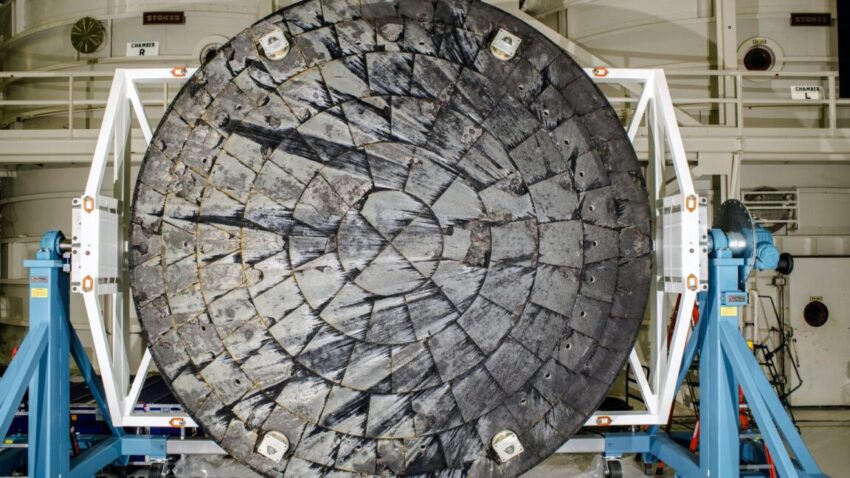
is orion s heat shield really safe This week, NASA’s new administrator, Jared Isaacman, expressed his unwavering confidence in the heat shield of the Orion spacecraft, which is set to play a crucial role in the upcoming Artemis II lunar mission.
is orion s heat shield really safe
Background on the Orion Spacecraft
The Orion spacecraft is a pivotal component of NASA’s Artemis program, which aims to return humans to the Moon and eventually pave the way for future Mars exploration. Designed to carry astronauts beyond low Earth orbit, Orion is equipped with advanced technology and safety features to ensure the well-being of its crew during deep space missions. The spacecraft is designed to withstand the harsh conditions of space travel, including extreme temperatures during re-entry into the Earth’s atmosphere.
The Importance of the Heat Shield
The heat shield is a critical element of the Orion spacecraft, designed to protect it from the intense heat generated during re-entry. When a spacecraft re-enters the Earth’s atmosphere, it experiences temperatures that can exceed 3,000 degrees Fahrenheit (1,650 degrees Celsius). The heat shield must absorb and dissipate this heat to prevent damage to the spacecraft and ensure the safety of its crew.
NASA has invested significant resources into the development and testing of the Orion heat shield. The shield is made from a specialized material known as Avcoat, which is designed to withstand extreme temperatures and provide thermal protection. The heat shield’s design has undergone rigorous testing, including wind tunnel experiments and thermal analysis, to ensure its effectiveness during re-entry.
Isaacman’s Review Process
Jared Isaacman, who took over as NASA administrator earlier this year, conducted a thorough review of the Orion heat shield ahead of the Artemis II mission. This review involved briefings with senior leaders at NASA and consultations with external experts in the field. Isaacman’s approach reflects a commitment to transparency and thoroughness, particularly given the high stakes associated with human spaceflight.
Insights from Senior Leaders
During his review, Isaacman engaged with key figures at NASA, including engineers and scientists who have been directly involved in the development of the Orion spacecraft. These discussions provided him with valuable insights into the heat shield’s performance and the extensive testing it has undergone.
One of the primary concerns during the review process was the heat shield’s ability to withstand the conditions it will face during re-entry. Isaacman emphasized that the confidence in the heat shield is based on “rigorous analysis” and the dedication of the engineers who have worked tirelessly to ensure its reliability. This confidence is crucial, as any failure of the heat shield could have catastrophic consequences for the crew aboard Orion.
Expert Consultations
In addition to internal briefings, Isaacman sought input from outside experts in aerospace engineering and materials science. These consultations allowed him to gather a broader perspective on the heat shield’s design and performance. Engaging with external experts is a critical step in validating NASA’s findings and ensuring that all potential risks have been thoroughly assessed.
Key Findings from the Review
The review process revealed several key findings regarding the Orion heat shield:
- Proven Performance: The heat shield has undergone extensive testing, including simulations of re-entry conditions, which have demonstrated its ability to withstand extreme temperatures.
- Material Integrity: The Avcoat material used in the heat shield has shown remarkable durability and effectiveness in previous tests, providing confidence in its performance during the Artemis II mission.
- Continuous Monitoring: NASA has implemented a robust monitoring system to track the heat shield’s performance throughout the mission, allowing for real-time assessments and adjustments as needed.
Implications for the Artemis II Mission
The Artemis II mission is scheduled to be the first crewed flight of the Orion spacecraft, marking a significant milestone in NASA’s efforts to return humans to the Moon. The success of this mission is critical not only for the Artemis program but also for future deep space exploration initiatives.
Public Confidence and Stakeholder Reactions
Isaacman’s declaration of confidence in the Orion heat shield is likely to resonate with the public and stakeholders involved in the Artemis program. The Artemis initiative has garnered significant attention and support, with many viewing it as a stepping stone toward human exploration of Mars and beyond. Ensuring the safety of the Orion spacecraft is paramount to maintaining public trust and support for NASA’s ambitious goals.
Stakeholders, including government officials, industry partners, and the scientific community, have expressed their enthusiasm for the Artemis program. The successful execution of Artemis II will serve as a testament to NASA’s capabilities and reinforce its position as a leader in space exploration. Isaacman’s confidence in the heat shield is a crucial factor in building this momentum.
Future Considerations
While Isaacman’s review has provided a strong endorsement of the Orion heat shield, it is essential to recognize that space exploration inherently involves risks. The complexities of human spaceflight necessitate ongoing vigilance and adaptability in response to emerging challenges. NASA’s commitment to rigorous testing and analysis will continue to be vital as the Artemis program progresses.
Lessons Learned from Previous Missions
NASA has a rich history of space exploration, and each mission provides valuable lessons that inform future endeavors. The agency has faced challenges in the past, including the tragic losses of the Challenger and Columbia missions. These experiences have underscored the importance of safety and thorough testing in all aspects of spaceflight.
As NASA prepares for the Artemis II mission, the agency is drawing on its extensive experience to ensure that all safety measures are in place. The lessons learned from previous missions will guide decision-making and risk assessment as the agency moves forward.
Conclusion
Jared Isaacman’s review of the Orion heat shield marks a significant step in NASA’s preparations for the Artemis II mission. His confidence in the heat shield, bolstered by rigorous analysis and expert consultations, reflects the agency’s commitment to safety and excellence in space exploration. As NASA embarks on this historic mission, the success of the Orion spacecraft will not only impact the Artemis program but also shape the future of human exploration beyond Earth.
Source: Original report
Was this helpful?
Last Modified: January 10, 2026 at 5:40 am
1 views