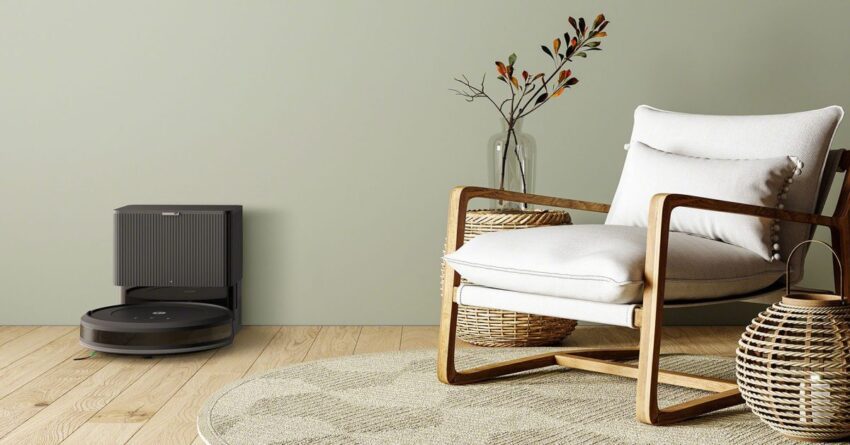
irobot has filed for bankruptcy – here iRobot, the pioneering company behind the Roomba vacuum cleaner, has filed for Chapter 11 bankruptcy, raising questions about the future of its products and services for millions of users.
irobot has filed for bankruptcy – here
Background on iRobot and the Roomba
Founded in 1990 by Rodney Brooks, Colin Angle, and Helen Greiner, iRobot made its mark in the consumer electronics industry by introducing the Roomba in 2002. This innovative robotic vacuum cleaner quickly gained popularity, revolutionizing the way people approached household cleaning. The Roomba’s ability to autonomously navigate and clean floors made it a household staple, appealing to busy families and tech enthusiasts alike.
Over the years, iRobot expanded its product line to include various models of the Roomba, as well as other robotic devices such as the Braava floor mopping robot. The company became synonymous with robotic cleaning technology, achieving significant market share and brand recognition. However, despite its early successes, iRobot has faced increasing competition from other tech companies entering the smart home market, which has put pressure on its financial performance.
The Bankruptcy Filing
On December 15, 2025, iRobot officially filed for Chapter 11 bankruptcy protection. This legal process allows the company to reorganize its debts and operations while continuing to operate its business. The decision to file for bankruptcy comes after a series of financial struggles, including declining sales and increased competition from cheaper alternatives in the robotic vacuum market.
According to the company, the bankruptcy filing is part of a strategic plan to stabilize its finances and explore options for restructuring. iRobot has indicated that it aims to emerge from bankruptcy with a more sustainable business model, focusing on innovation and customer satisfaction. The company has also stated that it will continue to honor warranties and provide customer support during this transition period.
Implications for Roomba Owners
The bankruptcy filing raises several concerns for Roomba owners, but there are also reasons for optimism. Here are some key implications for consumers:
Product Support and Warranties
One of the primary concerns for Roomba owners is whether the company will continue to provide support for existing products. iRobot has reassured customers that it will honor warranties and continue to offer customer service during the bankruptcy process. This is a crucial aspect for consumers who rely on their Roombas for regular cleaning.
However, the long-term availability of replacement parts and software updates remains uncertain. As iRobot navigates its restructuring, there may be delays in fulfilling orders for parts or accessories. Customers are encouraged to keep an eye on official communications from the company regarding any changes to support services.
Future of New Products
Another significant concern is the future of new product releases. iRobot has been known for its innovation, regularly introducing new models and features to enhance the user experience. The bankruptcy filing may impact the company’s ability to invest in research and development, potentially slowing down the introduction of new products.
Despite this, some industry analysts believe that the restructuring process could lead to a renewed focus on innovation. By streamlining operations and cutting costs, iRobot may be able to allocate resources more effectively toward developing new technologies and improving existing products.
Market Competition
The smart home technology market is highly competitive, with numerous companies vying for consumer attention. Brands like Shark, Roborock, and Ecovacs have emerged as strong competitors, often offering similar features at lower price points. iRobot’s bankruptcy could provide an opportunity for these competitors to capture more market share.
However, iRobot’s established brand reputation and loyal customer base may help it retain some level of market presence. The company has built a strong identity around its products, and many consumers trust the Roomba name. If iRobot can successfully navigate its bankruptcy and emerge with a solid plan, it may still have a competitive edge.
Stakeholder Reactions
The bankruptcy filing has elicited a range of reactions from stakeholders, including customers, investors, and industry analysts.
Customer Sentiment
Many Roomba owners have expressed concern over the implications of the bankruptcy for their devices. Social media platforms have seen a flurry of discussions, with users sharing their worries about product support and future updates. However, some customers remain hopeful that the restructuring will lead to improved products and services in the long run.
Investor Perspectives
Investors have reacted cautiously to the news of iRobot’s bankruptcy. The company’s stock has experienced volatility in recent months, reflecting broader concerns about its financial health. Analysts are closely monitoring the situation, as the outcome of the bankruptcy proceedings will significantly impact investor confidence in the brand.
Some investors believe that if iRobot can successfully restructure and focus on innovation, it may present a buying opportunity. Others, however, are wary of the potential risks associated with investing in a company undergoing such significant changes.
Industry Analysts’ Insights
Industry analysts have offered mixed opinions on the future of iRobot following its bankruptcy filing. Some experts argue that the company has the potential to rebound, citing its strong brand recognition and loyal customer base. They believe that a streamlined operation could lead to more focused product development and marketing efforts.
Conversely, other analysts caution that the competitive landscape poses significant challenges. With numerous companies offering similar products at lower prices, iRobot may struggle to regain its footing unless it can differentiate itself through innovation and improved customer experiences.
Looking Ahead: What’s Next for iRobot?
The road ahead for iRobot will depend on how effectively the company can navigate the bankruptcy process and implement its restructuring plan. Key areas of focus will likely include:
- Cost Management: iRobot will need to identify areas where it can reduce expenses without compromising product quality. This may involve reevaluating supply chain partnerships and operational efficiencies.
- Innovation: To stay competitive, iRobot must prioritize research and development. This includes exploring new technologies, enhancing existing products, and potentially expanding its product line.
- Customer Engagement: Maintaining open communication with customers will be crucial during this transition. iRobot should provide regular updates on its restructuring efforts and reassure customers about product support.
Conclusion
iRobot’s filing for Chapter 11 bankruptcy marks a significant moment in the history of the company and the robotic vacuum market. While the news raises concerns for Roomba owners regarding product support and future innovations, there are also reasons for optimism. The restructuring process could pave the way for a more sustainable business model, allowing iRobot to focus on innovation and customer satisfaction. As the company navigates this challenging period, stakeholders will be watching closely to see how it adapts and evolves in a competitive landscape.
Source: Original report
Was this helpful?
Last Modified: December 15, 2025 at 6:41 pm
7 views