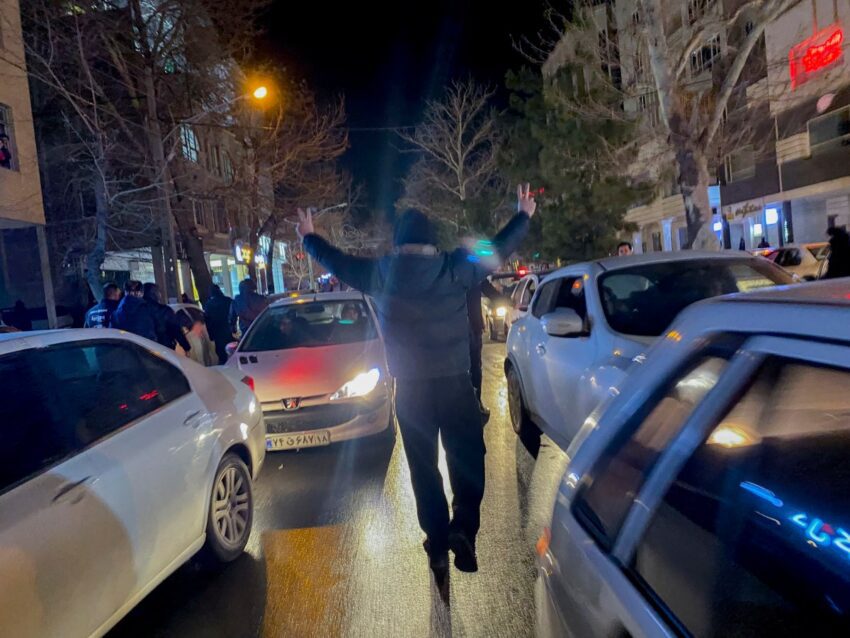
internet collapses in iran amid protests over Iran is experiencing a significant internet shutdown as widespread protests erupt across major cities in response to a deepening economic crisis.
internet collapses in iran amid protests over
Background of the Protests
The protests in Iran have been fueled by a combination of factors, including soaring inflation, high unemployment rates, and widespread dissatisfaction with the government’s handling of the economy. Over the past few months, the Iranian rial has plummeted in value, leading to increased prices for essential goods and services. This economic instability has sparked frustration among citizens, who are now taking to the streets to voice their grievances.
In recent years, Iran has faced numerous economic challenges, exacerbated by international sanctions and the global economic fallout from the COVID-19 pandemic. The government’s inability to provide basic necessities has led to a growing sense of discontent among the populace. The protests have been characterized by calls for government accountability and demands for better living conditions.
The Internet Shutdown
As protests intensified, internet monitoring firms and experts reported that Iran’s internet has nearly collapsed. This shutdown is part of a broader strategy by the Iranian government to control the flow of information and suppress dissent. By limiting access to the internet, authorities aim to prevent protesters from organizing and sharing information about the demonstrations.
Reports indicate that the internet blackout began in early January 2026, coinciding with the escalation of protests in cities such as Tehran, Isfahan, and Shiraz. Users have reported significant disruptions in connectivity, with many unable to access social media platforms or communicate with one another. This has raised concerns about the government’s efforts to stifle free speech and limit the public’s ability to mobilize.
Impact on Communication
The internet shutdown has had a profound impact on communication among protesters and their supporters. Social media platforms, which have been crucial for organizing protests and sharing real-time updates, have become largely inaccessible. This has made it difficult for demonstrators to coordinate their actions and has hindered the ability of journalists and human rights organizations to report on the situation.
Experts warn that such internet blackouts can have serious implications for civil society. When communication channels are restricted, it becomes challenging for citizens to express their opinions or organize collective actions. This can lead to increased frustration and a sense of isolation among protesters, potentially escalating tensions further.
Government Response
The Iranian government has defended its actions, claiming that the internet shutdown is necessary to maintain public order. Officials argue that the protests have been infiltrated by foreign elements seeking to destabilize the country. This narrative is often used to justify repressive measures, including internet blackouts and crackdowns on dissent.
In addition to the internet shutdown, security forces have been deployed to various cities to quell protests. Reports of violence and arrests have emerged, with authorities using tear gas and rubber bullets to disperse crowds. This heavy-handed response has drawn criticism from human rights organizations, which argue that the government is violating the rights of its citizens to peacefully assemble and express their opinions.
International Reactions
The international community has closely monitored the situation in Iran, with various governments and organizations expressing concern over the internet shutdown and the government’s response to protests. Human rights advocates have called for an immediate restoration of internet access and an end to the violence against protesters.
In a statement, a spokesperson for the United Nations condemned the internet blackout, stating that it undermines the fundamental rights of individuals to freedom of expression and access to information. The spokesperson urged the Iranian government to respect the rights of its citizens and to allow for peaceful protests without fear of repression.
Similarly, several Western governments have issued statements calling for restraint and urging the Iranian authorities to respect the rights of protesters. These reactions highlight the growing international concern over the situation in Iran and the potential for further escalation if the government does not address the underlying issues driving the protests.
Implications for Civil Society
The internet shutdown in Iran raises significant questions about the future of civil society in the country. As access to information becomes increasingly restricted, the ability of citizens to engage in meaningful dialogue and advocate for change is severely compromised. This could lead to a further erosion of trust between the government and the populace, as citizens feel increasingly alienated from the political process.
Moreover, the crackdown on dissent and the suppression of free speech could have long-term implications for Iran’s political landscape. If the government continues to respond to protests with violence and repression, it may inadvertently fuel further unrest and resistance among the population. History has shown that attempts to silence dissent often lead to greater demands for change and accountability.
Role of Technology in Protests
Despite the internet shutdown, technology continues to play a crucial role in the protests. Many demonstrators have turned to alternative means of communication, such as virtual private networks (VPNs) and encrypted messaging apps, to bypass government restrictions. This adaptability demonstrates the resilience of civil society in the face of repression.
Moreover, the use of technology to document protests and share information has become increasingly important. Activists have been using smartphones to record incidents of violence and human rights abuses, ensuring that these events are not erased from public memory. This documentation can serve as a powerful tool for accountability and advocacy in the future.
Future Outlook
The situation in Iran remains fluid, with the potential for further developments in the coming days and weeks. The government’s response to the protests and the internet shutdown will likely shape the trajectory of civil society in the country. If the authorities continue to employ repressive measures, it could lead to a cycle of unrest and resistance.
Conversely, if the government chooses to engage with citizens and address their grievances, there may be an opportunity for dialogue and reform. The international community will continue to play a critical role in advocating for human rights and supporting the aspirations of the Iranian people for a more just and equitable society.
Conclusion
The internet collapse in Iran amid ongoing protests highlights the intersection of technology, civil society, and government repression. As citizens demand accountability and better living conditions, the government’s response will be pivotal in determining the future of the nation. The resilience of the Iranian people, coupled with the support of the international community, may ultimately shape the outcome of this critical moment in Iran’s history.
Source: Original report
Was this helpful?
Last Modified: January 9, 2026 at 12:43 pm
0 views