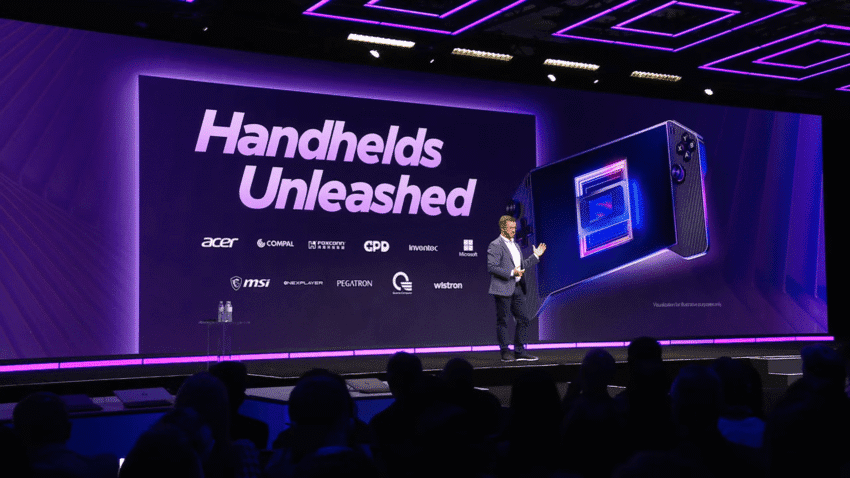
intel is planning a custom panther lake Intel has unveiled plans to develop a dedicated “handheld gaming platform” that will utilize its upcoming Panther Lake chips, signaling its entry into a rapidly evolving market.
intel is planning a custom panther lake
Intel’s Strategic Move into Handheld Gaming
Intel’s announcement marks a significant shift in its strategy as it seeks to capitalize on the growing demand for handheld gaming devices. The company is not only aiming to create a competitive product but also to establish a foothold in a sector that has seen increasing interest from both consumers and developers. With the rise of portable gaming, Intel’s Panther Lake chips are designed to meet the unique requirements of handheld devices, which often prioritize performance, battery life, and thermal efficiency.
The Panther Lake Architecture
At the core of Intel’s new handheld gaming platform is the Panther Lake architecture. This architecture is expected to feature several enhancements over previous generations, including improved processing power and energy efficiency. Sources from IGN and TechCrunch indicate that Intel is working on a custom Intel Core G3 variant specifically tailored for handheld gaming. This variant is anticipated to outperform the Arc B390 GPU that was recently announced, suggesting a significant leap in graphical capabilities.
The Panther Lake chips will leverage Intel’s new 18A process technology, which allows for a more compact design and better performance metrics. This process is crucial for handheld devices, where space and power consumption are at a premium. By utilizing advanced manufacturing techniques, Intel aims to deliver a product that not only meets but exceeds the expectations of gamers looking for high-quality portable experiences.
Competitive Landscape
Intel’s entry into the handheld gaming market comes at a time when competition is intensifying. Qualcomm has hinted at the possibility of Windows gaming handhelds being showcased at the upcoming Game Developers Conference in March. This indicates that other major players are also eyeing the handheld gaming space, which could lead to a flurry of new products and innovations.
AMD is another competitor in this arena, with its new Strix Halo chips poised to offer enhanced performance for handheld devices. The Strix Halo chips are designed to provide powerful graphics capabilities, making them suitable for gaming applications. As these companies vie for market share, consumers can expect a range of options that cater to different gaming preferences and budgets.
Market Implications
The introduction of Intel’s Panther Lake chips for handheld gaming could have several implications for the market. Firstly, it could lead to increased competition among manufacturers, which may drive innovation and lower prices for consumers. As more companies enter the space, the variety of devices available will likely expand, offering gamers more choices in terms of specifications, features, and price points.
Moreover, the development of a dedicated handheld gaming platform by Intel could encourage more game developers to optimize their titles for portable devices. As the gaming ecosystem evolves, the demand for high-performance handhelds could lead to a surge in game development specifically tailored for these platforms. This could result in a richer gaming experience for users, as developers create titles that fully utilize the capabilities of the new hardware.
Stakeholder Reactions
Reactions from industry stakeholders have been largely positive, with many expressing excitement about Intel’s plans. Analysts believe that Intel’s entry into the handheld gaming market could validate the segment and attract more investment. The potential for collaboration between hardware manufacturers and game developers is also seen as a positive development, as it could lead to a more robust gaming ecosystem.
Consumers have also shown interest in the idea of high-performance handheld gaming devices. The success of existing handheld consoles, such as the Nintendo Switch and Steam Deck, has demonstrated that there is a viable market for portable gaming solutions. Gamers are increasingly seeking devices that offer console-like experiences on the go, and Intel’s Panther Lake chips could be the answer to that demand.
Technical Specifications and Features
While specific technical details about the Panther Lake chips remain under wraps, several features are anticipated based on industry trends and Intel’s previous announcements. The chips are expected to support advanced graphics technologies, including ray tracing and high refresh rates, which are becoming standard in modern gaming.
Additionally, the Panther Lake architecture is likely to incorporate AI-driven enhancements, allowing for smarter resource management and improved performance in demanding gaming scenarios. This could be especially beneficial for handheld devices, where optimizing battery life and thermal output is crucial for user experience.
Potential Challenges
Despite the promising outlook, Intel faces several challenges as it enters the handheld gaming market. One significant hurdle is the established competition from companies like AMD and Qualcomm, which have already made strides in this space. Intel will need to differentiate its products and demonstrate clear advantages over existing offerings to capture market share.
Another challenge lies in the execution of its manufacturing processes. The transition to the 18A process technology must be seamless to ensure that the Panther Lake chips can deliver on their performance promises. Any delays or issues in production could hinder Intel’s ability to launch its handheld gaming platform in a timely manner.
Conclusion
Intel’s announcement of a custom Panther Lake CPU for handheld gaming devices marks a pivotal moment in the tech industry. As the demand for portable gaming solutions continues to grow, Intel’s entry into this market could reshape the landscape and drive innovation. With competitors like Qualcomm and AMD also vying for attention, the coming months will be crucial for Intel as it seeks to establish itself in this competitive field.
As consumers eagerly await more details about the Panther Lake chips and the handheld gaming platform, the implications of Intel’s move are already being felt across the industry. The potential for enhanced gaming experiences, increased competition, and a richer ecosystem could lead to a new era of portable gaming that meets the demands of today’s gamers.
Source: Original report
Was this helpful?
Last Modified: January 7, 2026 at 8:36 am
1 views