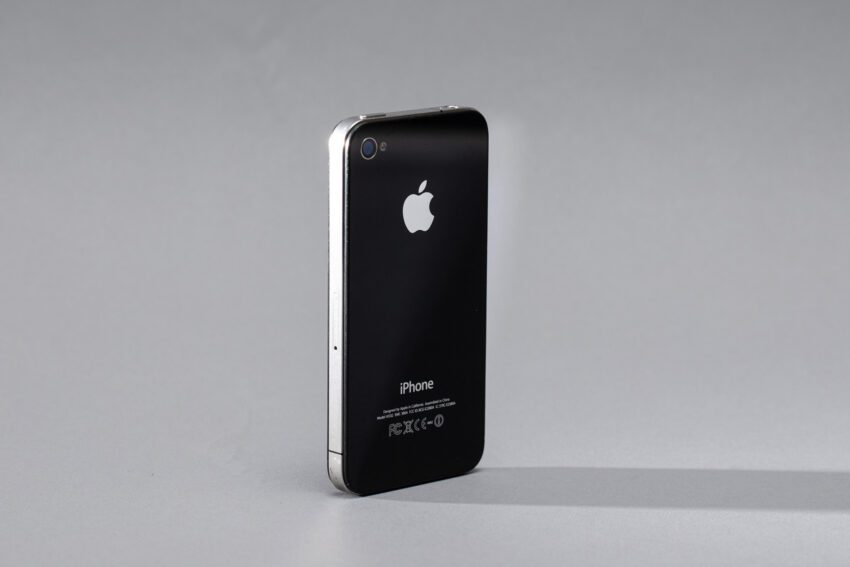
inside the high drama of the iphone In 2010, the anticipation surrounding the iPhone 4 reached a fever pitch, fueled by a series of dramatic events that would ultimately reshape the smartphone landscape.
inside the high drama of the iphone
The Rise of the Smartphone Era
By the dawn of the 2010s, the smartphone era was firmly established. The iPhone, introduced in 2007, had quickly transformed from a novel gadget into a cultural phenomenon. With each iteration, Apple introduced features that not only enhanced user experience but also set new industry standards. By 2010, the iPhone had just received a long-awaited copy-and-paste feature, a testament to the fact that smartphones were still evolving. However, it was clear that these devices, characterized by their sleek glass designs and powerful capabilities, were poised to revolutionize communication, entertainment, and productivity.
Apple’s annual launch strategy had become a hallmark of its marketing approach. Consumers and tech enthusiasts alike eagerly anticipated news of the next iPhone model, and speculation ran rampant in the months leading up to each announcement. The excitement surrounding the iPhone 4 was no exception, as rumors circulated about its potential features and design changes.
The Prototype Incident
The narrative took a dramatic turn when an Apple employee inadvertently left a prototype of the iPhone 4 at a bar in San Jose, California. This incident would become a pivotal moment in the history of the device. The prototype was discovered by a patron who recognized its significance and subsequently sold it to Gizmodo, a popular technology blog known for its scoops and in-depth gadget reviews.
The Gizmodo Scoop
Upon acquiring the prototype, Gizmodo wasted no time in dissecting the device and revealing its features to the public. The blog published extensive details about the iPhone 4, including its design, specifications, and even photographs of the internal components. The scoop sent shockwaves through the tech community and beyond, effectively breaking the internet. The excitement surrounding the device reached unprecedented levels, as consumers were now privy to information that Apple had intended to keep under wraps until the official launch.
This incident not only highlighted the challenges of maintaining secrecy in the tech industry but also underscored the growing influence of online media. Gizmodo’s coverage of the prototype incident garnered millions of views and sparked widespread discussions across social media platforms. The leak had transformed the iPhone 4 from a well-guarded secret into one of the most anticipated products of the year.
Apple’s Response
In the wake of the leak, Apple found itself in a precarious position. The company had built its reputation on surprise and secrecy, and the revelation of the iPhone 4’s features before the official announcement posed a significant challenge. Apple’s executives, including CEO Steve Jobs, were known for their tight control over product information, and this breach was particularly troubling.
Legal Repercussions
Apple’s response was swift and decisive. The company initiated legal action against Gizmodo, claiming that the blog had unlawfully obtained the prototype. This legal battle further fueled the media frenzy, as the tech community closely monitored the developments. The incident raised questions about intellectual property rights, journalistic ethics, and the responsibilities of both companies and media outlets in the digital age.
Despite the legal challenges, the incident did not dampen the excitement surrounding the iPhone 4. Instead, it added an element of drama that captivated consumers and tech enthusiasts alike. The anticipation for the official launch grew, with many eager to see how Apple would respond to the leak and what additional features the iPhone 4 would offer.
The Official Launch
On June 7, 2010, Apple officially unveiled the iPhone 4 during the Worldwide Developers Conference (WWDC). The event was highly anticipated, and the atmosphere was electric as Steve Jobs took the stage to present the new device. The iPhone 4 featured a sleek design, a high-resolution Retina display, and a front-facing camera, among other innovations. Jobs emphasized the device’s capabilities, showcasing its improved performance and new features, including FaceTime, Apple’s video calling service.
Key Features and Innovations
The iPhone 4 marked a significant leap forward in smartphone technology. Some of its standout features included:
- Retina Display: The iPhone 4 introduced a high-resolution display that offered four times the pixel density of its predecessor, resulting in sharper images and text.
- Front-Facing Camera: This feature enabled users to engage in video calls through FaceTime, a groundbreaking addition that changed the way people communicated.
- Improved Performance: The device was powered by the A4 chip, which enhanced processing speed and efficiency.
- New Design: The iPhone 4 featured a glass front and back, along with a stainless steel frame, giving it a premium look and feel.
The launch was met with widespread acclaim, and the iPhone 4 quickly became a bestseller. Consumers lined up outside Apple stores around the world, eager to get their hands on the latest iteration of the iconic smartphone. The excitement surrounding the device was palpable, and it was clear that the iPhone 4 would have a lasting impact on the industry.
Implications for the Smartphone Market
The iPhone 4’s launch not only solidified Apple’s position as a leader in the smartphone market but also set the stage for future innovations. The device’s success prompted competitors to reevaluate their strategies and invest in new technologies to keep pace with Apple’s advancements. The introduction of features like the Retina display and FaceTime influenced the design and functionality of subsequent smartphones across various brands.
Shifting Consumer Expectations
As the iPhone 4 raised the bar for smartphone capabilities, consumer expectations began to shift. Users now sought devices that offered high-quality displays, advanced camera features, and seamless integration with apps and services. The iPhone 4’s success demonstrated that consumers were willing to invest in premium devices that delivered exceptional performance and user experience.
Impact on App Development
The iPhone 4 also had significant implications for app development. With the introduction of the Retina display, developers were encouraged to create high-resolution applications that took advantage of the device’s capabilities. This shift led to a surge in app development, as more developers sought to create innovative solutions that catered to the growing smartphone user base.
Stakeholder Reactions
The events surrounding the iPhone 4’s prototype leak and subsequent launch elicited a range of reactions from stakeholders in the tech industry. Apple faced scrutiny for its handling of the situation, while Gizmodo’s actions sparked debates about journalistic integrity and the ethics of reporting on leaked information.
Industry Analysts
Industry analysts praised the iPhone 4 for its innovative features and design, noting that it set a new standard for smartphones. Many believed that the device would further entrench Apple’s dominance in the market, as competitors struggled to keep up with the pace of innovation. Analysts also highlighted the importance of the iPhone 4 in shaping consumer behavior and expectations in the years to come.
Media Perspectives
The media’s coverage of the prototype incident and the iPhone 4’s launch underscored the evolving relationship between technology companies and journalism. The incident raised questions about the responsibilities of both parties in an era where information can be disseminated rapidly through digital channels. Some journalists defended Gizmodo’s actions as a necessary part of holding powerful companies accountable, while others criticized the blog for crossing ethical lines.
Conclusion
The saga of the iPhone 4 is a compelling chapter in the history of technology, marked by intrigue, innovation, and industry disruption. From the dramatic prototype leak to the triumphant launch, the events surrounding the iPhone 4 encapsulated the challenges and opportunities that defined the smartphone era. As Apple continued to push the boundaries of technology, the iPhone 4 served as a catalyst for change, influencing not only the smartphone market but also the broader landscape of consumer electronics.
Source: Original report
Was this helpful?
Last Modified: December 15, 2025 at 4:40 am
4 views