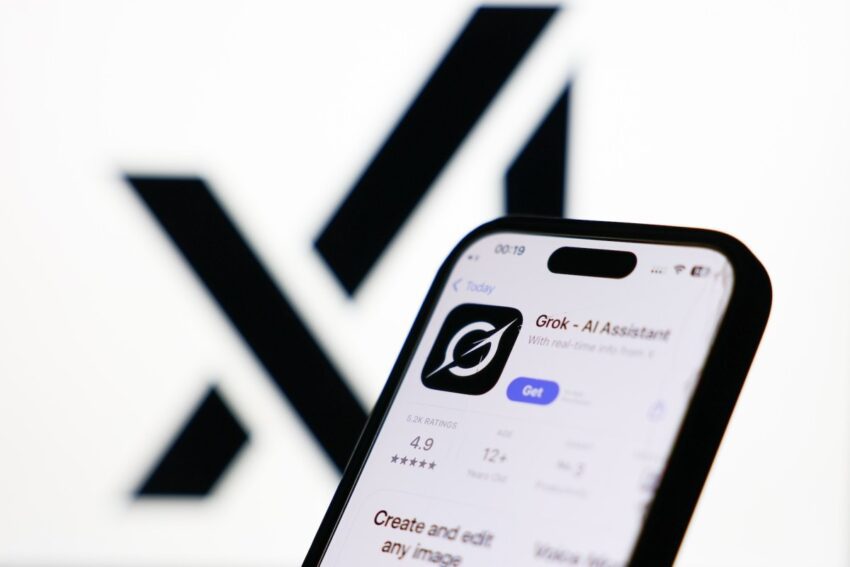
indonesia and malaysia block grok over non-consensual Indonesia has taken decisive action by temporarily blocking access to xAI’s chatbot Grok due to concerns over non-consensual, sexualized deepfakes.
indonesia and malaysia block grok over non-consensual
Background on Grok and Deepfake Technology
Grok, developed by xAI, is an advanced chatbot that utilizes artificial intelligence to engage users in conversation. This technology is part of a broader trend in AI development, where chatbots and other AI systems are becoming increasingly sophisticated. However, the rise of deepfake technology has raised significant ethical and legal concerns, particularly regarding the creation and distribution of non-consensual content.
Deepfakes refer to synthetic media in which a person’s likeness is replaced with someone else’s. This technology can be used for various purposes, including entertainment and satire, but it also poses serious risks when used maliciously. The ability to create realistic videos or images that depict individuals in compromising situations without their consent has led to widespread calls for regulation and oversight.
Indonesia’s Decision to Block Grok
On January 7, 2026, Indonesian officials announced their decision to temporarily block access to Grok. The move was prompted by reports of the chatbot’s potential to generate non-consensual sexualized deepfakes, which could harm individuals and violate their privacy. The Indonesian Ministry of Communication and Information Technology stated that the ban is a precautionary measure to protect citizens from the misuse of AI technology.
Officials emphasized the importance of safeguarding personal rights and dignity in the digital age. The decision reflects a growing recognition of the need for regulatory frameworks to address the challenges posed by emerging technologies. Indonesia’s action is part of a broader trend among governments worldwide to take a stand against the misuse of AI and deepfake technology.
Implications of the Ban
The temporary ban on Grok raises several important implications for the future of AI technology and its regulation. First and foremost, it highlights the urgent need for clear guidelines and policies surrounding the use of AI-generated content. As deepfake technology continues to evolve, the potential for misuse will only increase, necessitating proactive measures from governments and tech companies alike.
Moreover, the ban serves as a reminder of the ethical responsibilities that come with developing and deploying AI technologies. Companies like xAI must consider the societal impacts of their products and implement safeguards to prevent misuse. This includes developing robust content moderation systems and ensuring that users are aware of the potential risks associated with AI-generated content.
Stakeholder Reactions
The decision to block Grok has elicited a range of reactions from various stakeholders, including government officials, tech industry leaders, and civil society organizations. Many have praised the Indonesian government for taking a proactive stance against non-consensual deepfakes, viewing it as a necessary step to protect individuals’ rights.
However, some critics argue that blanket bans on technology can stifle innovation and limit access to valuable tools. They contend that instead of outright bans, governments should focus on creating regulatory frameworks that allow for responsible use of AI while addressing potential harms. This perspective emphasizes the need for collaboration between governments, tech companies, and civil society to develop solutions that balance innovation with ethical considerations.
Comparative Global Context
Indonesia’s decision to block Grok is not an isolated incident. Other countries have also taken steps to regulate deepfake technology and protect individuals from its potential harms. For instance, in the United States, lawmakers have proposed legislation aimed at addressing the misuse of deepfakes, particularly in the context of revenge porn and election interference.
In Europe, the General Data Protection Regulation (GDPR) has implications for the use of AI and deepfake technology, as it emphasizes the importance of consent and data protection. These global efforts reflect a growing recognition of the need for comprehensive approaches to address the challenges posed by AI and deepfake technology.
Future Considerations
As the conversation around AI and deepfakes continues to evolve, several key considerations will shape the future landscape of technology regulation. First, there is a pressing need for international cooperation in developing standards and best practices for AI use. Given the borderless nature of the internet, unilateral actions by individual countries may not be sufficient to address the global challenges posed by deepfake technology.
Second, ongoing public awareness and education efforts are crucial. Individuals must be informed about the potential risks associated with AI-generated content and how to protect themselves from its misuse. This includes understanding the signs of deepfakes and knowing how to report harmful content.
Finally, tech companies must prioritize ethical considerations in their development processes. This includes investing in research to improve detection methods for deepfakes and implementing robust content moderation systems to prevent the dissemination of harmful materials.
Conclusion
Indonesia’s temporary ban on Grok underscores the urgent need for regulatory frameworks to address the challenges posed by non-consensual, sexualized deepfakes. As technology continues to advance, it is imperative that governments, tech companies, and civil society work together to develop solutions that protect individuals’ rights while fostering innovation. The path forward will require collaboration, education, and a commitment to ethical practices in the rapidly evolving landscape of AI technology.
Source: Original report
Was this helpful?
Last Modified: January 12, 2026 at 2:39 am
0 views