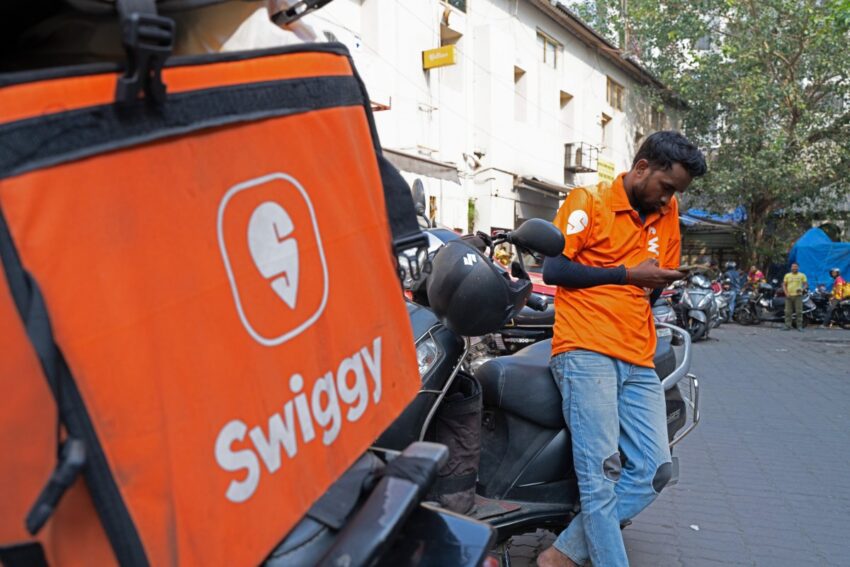
india reportedly tells quick-commerce firms to drop India’s labor ministry is pushing the country’s booming quick-commerce sector to prioritize the wellness and safety of its gig workers.
india reportedly tells quick-commerce firms to drop
Background on Quick-Commerce in India
The quick-commerce sector in India has experienced exponential growth over the past few years, fueled by increasing consumer demand for rapid delivery services. Companies like Zomato, Swiggy, and Blinkit have capitalized on this trend, promising deliveries within minutes to cater to a fast-paced lifestyle. This model has not only transformed the retail landscape but has also created a significant number of gig jobs, offering flexible work opportunities for many individuals.
However, this rapid expansion has raised concerns regarding the working conditions of gig workers, who often face long hours, low pay, and inadequate safety measures. The labor ministry’s recent intervention signals a growing recognition of the need to address these issues in a sector that has become a critical part of the economy.
Government Intervention
In a move that has garnered attention, the Indian government has reportedly advised quick-commerce firms to abandon their commitment to 10-minute delivery promises. This directive is part of a broader initiative aimed at ensuring the safety and well-being of gig workers, who are often under immense pressure to meet demanding delivery timelines.
Reasons Behind the Directive
The push to eliminate the 10-minute delivery promise stems from several concerns:
- Worker Safety: The pressure to deliver quickly can lead to reckless behavior among delivery personnel, increasing the risk of accidents and injuries.
- Quality of Service: Rushing deliveries may compromise the quality of service, leading to customer dissatisfaction.
- Labor Rights: The gig economy has often been criticized for its lack of labor rights and protections, prompting the government to take action to safeguard workers.
By encouraging companies to adopt more realistic delivery timelines, the government aims to create a safer working environment for gig workers while maintaining service quality for consumers.
Implications for the Quick-Commerce Sector
This directive could have far-reaching implications for the quick-commerce industry in India. Companies may need to reevaluate their operational strategies and delivery models to comply with the government’s recommendations.
Operational Adjustments
To adapt to the new guidelines, quick-commerce firms may consider the following operational adjustments:
- Revised Delivery Timelines: Companies may need to extend their delivery windows, which could impact customer expectations and satisfaction.
- Increased Workforce: To maintain service levels with longer delivery times, firms might need to hire more gig workers, potentially improving job opportunities in the sector.
- Investment in Safety Measures: Firms may be compelled to invest in safety training and equipment for their delivery personnel, enhancing worker protection.
While these adjustments may require significant changes in business operations, they could ultimately lead to a more sustainable and responsible quick-commerce model.
Stakeholder Reactions
The government’s directive has elicited a range of reactions from various stakeholders, including industry leaders, gig workers, and consumer advocacy groups.
Industry Leaders
Many industry leaders have expressed support for the government’s focus on worker safety. They acknowledge that while rapid delivery services are essential for competitiveness, the well-being of gig workers should not be compromised. Some executives have indicated that they are already taking steps to enhance safety protocols and improve working conditions.
Gig Workers
For gig workers, the government’s intervention is a mixed bag. While many welcome the focus on safety and wellness, there are concerns about potential impacts on earnings. With longer delivery times, some workers fear that their income could decrease, as earnings are often tied to the number of deliveries completed.
Consumer Advocacy Groups
Consumer advocacy groups have largely supported the government’s stance, arguing that prioritizing worker safety will ultimately benefit consumers. They contend that a well-treated workforce is more likely to provide better service, leading to improved customer satisfaction. Additionally, these groups emphasize the importance of establishing fair labor practices in the gig economy.
Global Context
The situation in India is not unique; similar concerns have arisen in other countries where gig economies are prevalent. In the United States and Europe, for instance, there have been ongoing debates about the rights of gig workers, with various governments exploring regulations to ensure fair treatment.
Countries like Spain and the United Kingdom have implemented laws to classify gig workers as employees, granting them access to benefits such as minimum wage and paid leave. These developments highlight a global trend toward recognizing the rights of gig workers, which could influence India’s approach to labor regulations in the future.
Future of Quick-Commerce in India
As the quick-commerce sector continues to evolve, the government’s directive could serve as a catalyst for broader reforms in labor practices. The focus on worker safety and wellness may lead to a more balanced approach to gig work, where both companies and workers can thrive.
Potential for Innovation
In response to the government’s recommendations, quick-commerce firms may also explore innovative solutions to enhance efficiency without compromising worker safety. This could include:
- Technology Integration: Utilizing advanced logistics software and AI to optimize delivery routes and reduce pressure on workers.
- Flexible Scheduling: Implementing more flexible work schedules that allow gig workers to choose their hours, leading to improved job satisfaction.
- Collaboration with Local Businesses: Partnering with local retailers to create a more sustainable delivery ecosystem that benefits all stakeholders.
Such innovations could not only improve working conditions but also enhance the overall consumer experience, ensuring that the quick-commerce sector remains competitive in a rapidly changing market.
Conclusion
The Indian government’s push to prioritize the wellness and safety of gig workers in the quick-commerce sector marks a significant step toward addressing longstanding concerns about labor rights in the gig economy. While the directive to drop the 10-minute delivery promise may pose challenges for companies, it also presents an opportunity for the industry to evolve into a more responsible and sustainable model. As stakeholders navigate this transition, the focus on worker safety could ultimately lead to a more equitable and efficient quick-commerce landscape in India.
Source: Original report
Was this helpful?
Last Modified: January 14, 2026 at 4:57 am
2 views