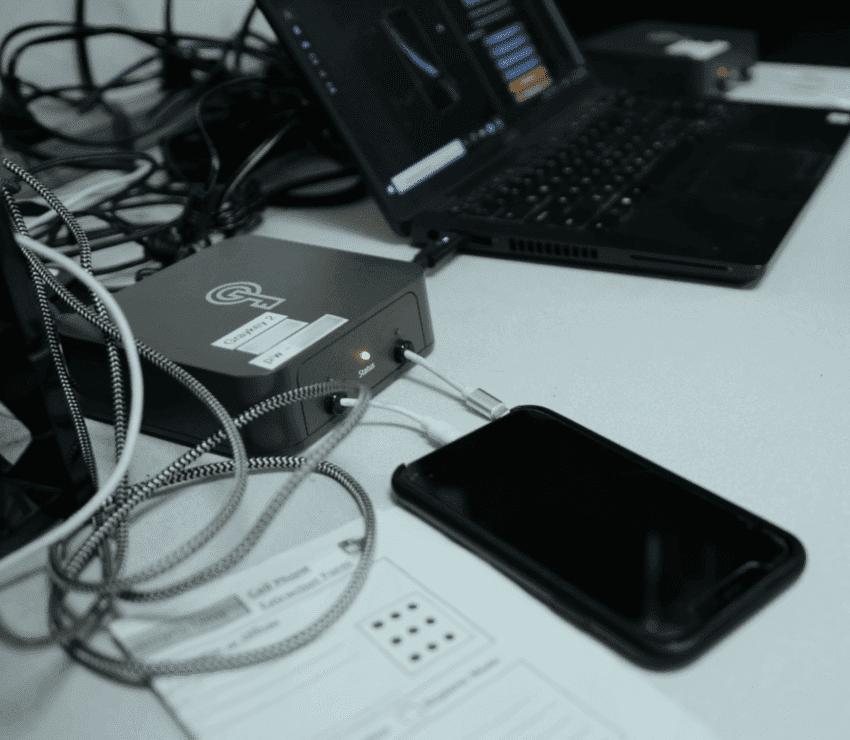
ice unit signs new 3m contract for The law enforcement arm of the Department of Homeland Security, known as Homeland Security Investigations (HSI), has recently signed a significant contract worth $3 million to acquire advanced phone-hacking technology from Magnet Forensics.
ice unit signs new 3m contract for
Background on Homeland Security Investigations
Homeland Security Investigations is a critical component of U.S. Immigration and Customs Enforcement (ICE). Established to enforce immigration laws and combat various forms of crime, HSI plays a pivotal role in the Trump administration’s broader strategy to enhance deportation efforts. The agency focuses on various criminal activities, including human trafficking, drug smuggling, and immigration violations. With the increasing reliance on digital communication, HSI has recognized the necessity of advanced technological tools to aid in its investigations.
Details of the Contract
The newly signed contract with Magnet Forensics marks a strategic investment in technology that can assist HSI in unlocking and analyzing mobile devices. This technology is particularly valuable in investigations where suspects may use encrypted communications or secure devices to evade law enforcement scrutiny. The $3 million deal will enable HSI to access sophisticated tools designed to extract data from smartphones, tablets, and other digital devices, which can provide crucial evidence in ongoing investigations.
Capabilities of Magnet Forensics Technology
Magnet Forensics specializes in digital forensics software that allows law enforcement agencies to recover and analyze data from various digital sources. The technology can extract information such as:
- Text messages and call logs
- Photos and videos
- Emails and social media interactions
- Location data and GPS history
- App data from various applications
This comprehensive data extraction capability is essential for HSI, as it can uncover vital information related to criminal activities, including human trafficking and drug smuggling operations. The ability to access encrypted data can significantly enhance the agency’s investigative capabilities.
Implications of the Contract
The acquisition of this technology raises several implications for privacy, civil liberties, and law enforcement practices in the United States. As HSI expands its technological arsenal, concerns about the potential misuse of such tools become increasingly relevant.
Privacy Concerns
Critics of law enforcement’s use of phone-hacking technology argue that it poses significant risks to individual privacy. The ability to unlock and analyze personal devices can lead to the unauthorized access of sensitive information, including private communications and personal data. This raises ethical questions about the extent to which law enforcement should be allowed to intrude into the digital lives of individuals, especially in cases where the individuals have not been charged with a crime.
Potential for Misuse
There is also concern regarding the potential misuse of the technology. As HSI enhances its capabilities, the risk of overreach increases. Critics argue that without proper oversight and accountability mechanisms, there is a danger that law enforcement agencies may use such tools to target individuals based on race, ethnicity, or immigration status. This could exacerbate existing tensions between immigrant communities and law enforcement, further eroding trust in public institutions.
Stakeholder Reactions
The announcement of the contract has elicited a range of reactions from various stakeholders, including civil rights organizations, technology experts, and law enforcement officials.
Civil Rights Organizations
Many civil rights advocates have expressed alarm over the implications of HSI’s new capabilities. Organizations such as the American Civil Liberties Union (ACLU) have called for greater transparency and oversight regarding the use of digital forensics technology. They argue that the potential for abuse is significant and that law enforcement agencies must be held accountable for their actions. The ACLU has urged Congress to implement stricter regulations governing the use of such technology to protect citizens’ rights.
Law Enforcement Perspective
On the other hand, law enforcement officials argue that the technology is essential for effective policing in a digital age. They contend that the ability to access encrypted data can be crucial in solving serious crimes and protecting public safety. HSI officials have emphasized that the technology will be used responsibly and in accordance with legal guidelines. They assert that the tools will enhance their ability to combat criminal activities that often exploit digital communication channels.
Technology Experts
Technology experts have also weighed in on the implications of the contract. Some have highlighted the importance of balancing law enforcement needs with individual privacy rights. Experts advocate for the development of clear policies and guidelines governing the use of digital forensics technology. They emphasize the need for ongoing dialogue between law enforcement, civil society, and technology companies to ensure that the tools are used ethically and responsibly.
Broader Context of Digital Forensics in Law Enforcement
The contract with Magnet Forensics is part of a broader trend in law enforcement agencies across the United States increasingly adopting advanced digital forensics technologies. As crime becomes more sophisticated and digital communication continues to evolve, law enforcement agencies are compelled to adapt their investigative techniques.
Technological Advancements
In recent years, the field of digital forensics has seen significant advancements. New tools and techniques are continually being developed to assist law enforcement in accessing and analyzing digital evidence. These advancements include:
- Improved data extraction methods for various operating systems
- Enhanced capabilities for recovering deleted data
- Tools for analyzing large volumes of data quickly
- Integration of artificial intelligence to identify patterns and anomalies
As these technologies evolve, law enforcement agencies will likely continue to invest in them to stay ahead of criminals who exploit digital platforms for illicit activities.
International Trends
The trend of utilizing advanced digital forensics is not limited to the United States. Law enforcement agencies worldwide are increasingly adopting similar technologies to combat crime. Countries such as the United Kingdom, Canada, and Australia have also invested in digital forensics tools to enhance their investigative capabilities. This global trend underscores the importance of international cooperation in addressing transnational crime, particularly in areas such as human trafficking and cybercrime.
Conclusion
The $3 million contract signed by Homeland Security Investigations with Magnet Forensics represents a significant step in enhancing law enforcement’s capabilities to combat crime in the digital age. While the technology has the potential to aid in critical investigations, it also raises important questions about privacy, civil liberties, and the potential for misuse. As HSI moves forward with implementing this technology, it will be essential for stakeholders to engage in ongoing discussions about the ethical use of digital forensics tools and the need for accountability in law enforcement practices.
Source: Original report
Was this helpful?
Last Modified: September 18, 2025 at 10:44 pm
3 views