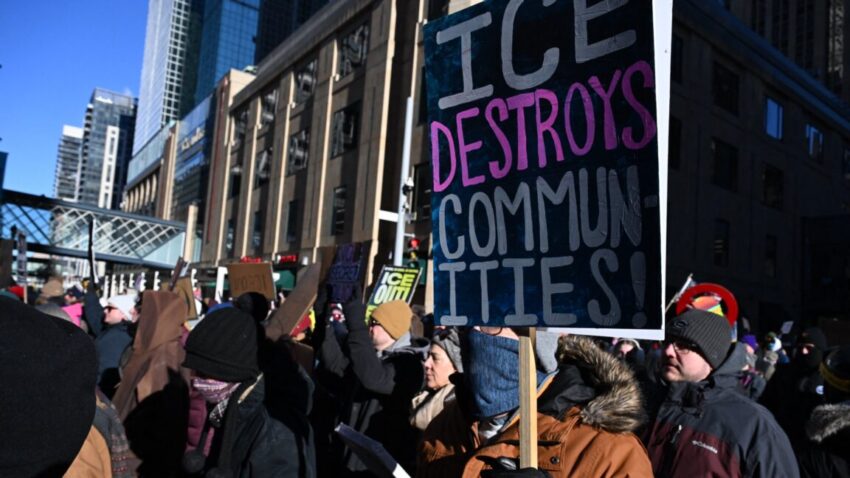
ice observer says her global entry was A Minnesota resident claims her Global Entry and TSA Precheck privileges were revoked shortly after she observed the activities of immigration agents, raising concerns about the implications of facial recognition technology in law enforcement.
ice observer says her global entry was
Background on Global Entry and TSA Precheck
Global Entry and TSA Precheck are programs designed to expedite the travel process for pre-approved, low-risk travelers. Global Entry allows for faster customs screening for international travelers entering the United States, while TSA Precheck provides expedited security screening at airports. Both programs require applicants to undergo a thorough background check and an in-person interview.
These programs have become increasingly popular among frequent travelers, as they significantly reduce wait times and enhance the overall travel experience. However, the use of advanced technologies, including facial recognition, has raised privacy concerns among civil liberties advocates and the general public.
The Incident Involving Nicole Cleland
Nicole Cleland, a 56-year-old resident of Richfield, Minnesota, and a director at Target Corporation, has been actively involved in monitoring the activities of Immigration and Customs Enforcement (ICE) and Customs and Border Protection (CBP) in her community. According to a declaration she filed in the U.S. District Court for the District of Minnesota, her involvement in this volunteer work may have led to serious repercussions.
Observing Federal Agents
On January 10, Cleland observed a white Dodge Ram that she believed was being driven by federal enforcement agents. Concerned about the potential for a raid on a local apartment building, she decided to follow the vehicle along with another observer in a separate car. Cleland stated that she maintained a safe distance while monitoring the situation, which she felt was necessary given the context of heightened immigration enforcement in the area.
As she followed the Dodge Ram, Cleland noticed that it stopped in front of the other observer’s vehicle, at which point two additional vehicles, presumably driven by federal agents, also arrived on the scene. Cleland described how her path forward was blocked, indicating that the situation was escalating and that she felt compelled to document the actions of the agents.
Facial Recognition Technology
During this encounter, Cleland reported that an immigration agent informed her that he had used facial recognition technology to identify her. This revelation has raised significant concerns regarding the use of such technology by law enforcement agencies, particularly in relation to privacy rights and the potential for misuse.
Facial recognition technology has been increasingly adopted by various law enforcement agencies across the United States. While proponents argue that it enhances public safety and aids in the identification of suspects, critics warn about the risks associated with its implementation, including inaccuracies, bias, and the erosion of civil liberties.
Revocation of Travel Privileges
Three days after the incident, Cleland received notification that her Global Entry and TSA Precheck privileges had been revoked. This decision came as a shock to her, especially given her status as a frequent traveler who had previously enjoyed the benefits of these programs. In her declaration, she expressed her belief that the revocation of her travel privileges was a direct consequence of her actions on January 10.
Cleland’s experience highlights the potential repercussions that individuals may face when they engage in activities that are perceived as challenging or monitoring law enforcement actions. The revocation of her privileges raises questions about the motivations behind such decisions and whether they serve as a deterrent to others who may wish to observe or document similar activities.
Legal Implications
Cleland’s case has broader legal implications, particularly regarding the intersection of technology, privacy, and civil rights. The use of facial recognition technology by law enforcement raises questions about the legality of its application and the potential for abuse. In her declaration, Cleland argues that her rights were violated when her identity was accessed without her consent, leading to the revocation of her travel privileges.
The legal framework surrounding facial recognition technology is still evolving. Various states and localities have begun to enact regulations aimed at governing its use, particularly by law enforcement agencies. However, there is currently no comprehensive federal legislation addressing the use of facial recognition technology, leaving many individuals vulnerable to potential misuse.
Stakeholder Reactions
The incident involving Cleland has garnered attention from various stakeholders, including civil rights organizations, legal experts, and privacy advocates. Many have expressed concern over the implications of using facial recognition technology in law enforcement, particularly in relation to marginalized communities.
Organizations such as the American Civil Liberties Union (ACLU) have long criticized the use of facial recognition technology, arguing that it disproportionately affects people of color and can lead to wrongful arrests. The ACLU has called for a moratorium on the use of facial recognition technology by law enforcement until comprehensive regulations are put in place.
Legal experts have also weighed in on the situation, noting that Cleland’s case could set a precedent for how facial recognition technology is used and regulated in the future. If her claims are substantiated, it may prompt further scrutiny of the practices employed by immigration agents and the policies governing the use of facial recognition technology.
Broader Context of Immigration Enforcement
Cleland’s experience is situated within a broader context of immigration enforcement in the United States, which has seen increased scrutiny and public debate in recent years. The use of technology in immigration enforcement has raised ethical questions about surveillance, privacy, and the treatment of individuals in vulnerable situations.
As immigration policies continue to evolve, the role of technology in enforcement actions will likely remain a contentious issue. Advocates for immigration reform argue that the current system is inhumane and disproportionately targets marginalized communities, while proponents of strict enforcement maintain that such measures are necessary for national security.
Conclusion
Nicole Cleland’s experience serves as a cautionary tale about the potential consequences of engaging in activities that challenge law enforcement actions. The revocation of her Global Entry and TSA Precheck privileges raises important questions about the use of facial recognition technology, privacy rights, and the implications of surveillance in a democratic society. As the legal landscape surrounding these issues continues to evolve, it is crucial for individuals to remain informed and engaged in discussions about the balance between security and civil liberties.
Source: Original report
Was this helpful?
Last Modified: February 2, 2026 at 6:36 pm
0 views