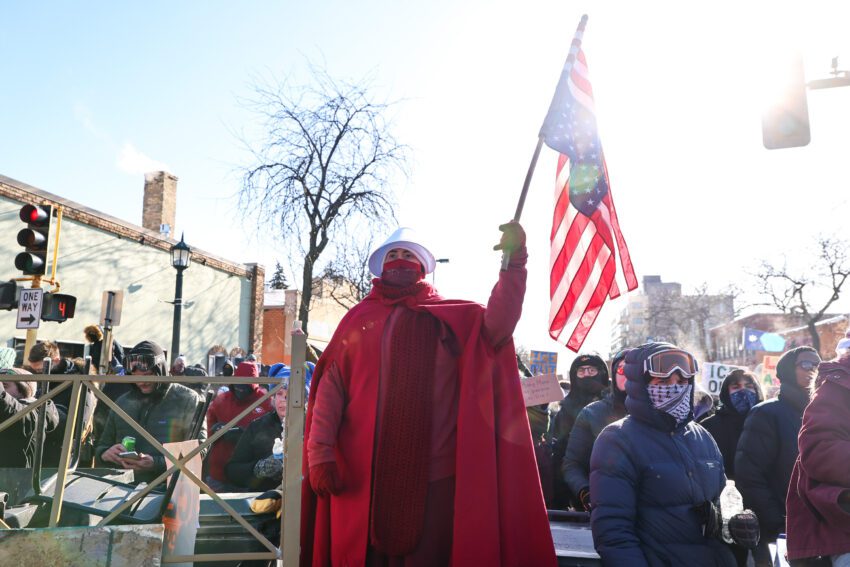
ice invades minnesota and minnesotans fight back In a significant escalation of federal immigration enforcement, Minnesota has become a focal point for the Trump administration’s aggressive Operation Metro Surge, leading to widespread community resistance and tragic incidents.
ice invades minnesota and minnesotans fight back
Background on Operation Metro Surge
Operation Metro Surge is part of a broader initiative by the Trump administration aimed at increasing immigration enforcement across the United States. Launched in various cities, this operation has seen a substantial influx of federal agents into local communities, particularly in urban areas like Minneapolis. The initiative has been characterized by aggressive tactics, including the detainment of individuals, intimidation of community members, and a notable increase in violence.
In Minneapolis, the operation has drawn significant attention due to its impact on the local population, particularly immigrant communities. The presence of federal agents has created an atmosphere of fear and uncertainty, prompting many residents to take action in response to the perceived threat to their safety and rights.
Fatal Incident Sparks Outrage
On January 24, 2023, the situation escalated dramatically when 37-year-old Alex Pretti was shot and killed by federal officers during an operation in Minneapolis. Pretti was reportedly an observer at the scene, and the incident was captured on video by bystanders, which has since circulated widely on social media. This tragic event has become a rallying point for community members and activists, igniting protests and calls for accountability.
The circumstances surrounding Pretti’s death have raised numerous questions. Eyewitness accounts suggest that the shooting was unprovoked, leading to widespread outrage among community members who are already on edge due to the increased federal presence. The incident has not only highlighted the dangers posed by aggressive immigration enforcement but has also underscored the urgent need for reform in how federal agencies interact with local communities.
Community Response and Resistance
In the wake of Pretti’s death, Minnesotans have mobilized in unprecedented ways to resist the federal crackdown. Community-level responses have included organizing mutual aid networks, tracking ICE operations, and providing support to those targeted by immigration enforcement. These grassroots efforts have emerged as a direct counter to the intimidation tactics employed by federal agents.
Despite facing threats and surveillance, community organizers have worked tirelessly to document ICE activities and provide resources to those affected. This has included the use of technology to monitor federal operations, often utilizing systems developed by tech companies like Clearview AI and Palantir. These tools have allowed activists to gather information and share it with the community, creating a network of support and awareness.
The Role of Social Media
The backlash against Operation Metro Surge has been amplified through social media platforms, where discussions around the crackdown have gained traction. Influencers and hobbyist communities, typically apolitical, have begun to engage with the issue, sharing their perspectives and experiences. This shift has broadened the conversation around immigration enforcement, drawing in individuals who may not have previously been involved in activism.
Online discussions have included a range of topics, from personal stories about growing up in the shadow of ICE to reflections on the implications of federal actions in local communities. The use of social media has allowed for a more extensive reach, enabling activists to connect with a diverse audience and mobilize support for their cause.
Impact on Local Communities
The impact of Operation Metro Surge on local communities has been profound. Many residents, particularly those in immigrant communities, have reported feeling unsafe and vulnerable due to the increased presence of federal agents. This has led to a chilling effect, where individuals are hesitant to engage with local law enforcement or seek assistance for fear of deportation or other repercussions.
Parents have expressed concerns about the safety of their children, with many feeling that their families are under constant threat. The emotional toll of living in an ICE-occupied city has led to increased anxiety and stress among residents, further exacerbating existing challenges within the community.
Personal Stories and Testimonies
Personal testimonies from residents have shed light on the human impact of federal immigration enforcement. Many individuals have shared their experiences of growing up in a climate of fear, recounting stories of friends and family members who have been directly affected by ICE actions. These narratives have played a crucial role in humanizing the issue and highlighting the urgent need for change.
One resident, who grew up with Alex Pretti, spoke about the profound loss felt within the community. “It doesn’t matter if Alex Pretti had a gun,” they stated, emphasizing that the focus should be on the systemic issues that led to his death. This sentiment resonates with many who believe that the actions of federal agents are often unjustified and disproportionately affect marginalized communities.
Calls for Accountability and Reform
The tragic events surrounding Operation Metro Surge have prompted calls for accountability from both community members and local leaders. Activists are demanding that federal agencies be held responsible for their actions, particularly in cases where individuals have lost their lives. The need for reform in immigration enforcement practices has become a central theme in the ongoing discussions surrounding these issues.
Local leaders have also voiced their concerns, advocating for changes that prioritize community safety and well-being. Many have called for a reevaluation of the relationship between local law enforcement and federal immigration agencies, emphasizing the importance of building trust within the community.
The Future of Immigration Enforcement in Minnesota
The future of immigration enforcement in Minnesota remains uncertain as community resistance continues to grow. The response to Operation Metro Surge has demonstrated the power of grassroots organizing and the importance of community solidarity in the face of federal overreach. As activists work to challenge the status quo, the potential for meaningful change becomes increasingly possible.
However, the road ahead will likely be fraught with challenges. The federal government has shown a willingness to deploy significant resources to enforce immigration laws, and the potential for further violence remains a concern. Community members are acutely aware of the risks involved in their activism, yet they remain committed to advocating for their rights and the rights of their neighbors.
Conclusion
The situation in Minnesota serves as a microcosm of the broader national debate surrounding immigration enforcement and community safety. As federal agents continue to operate under the auspices of Operation Metro Surge, the resilience of Minnesotans in the face of adversity stands as a testament to the power of community action. The tragic death of Alex Pretti has galvanized a movement that seeks not only justice for him but also a reevaluation of the systems that perpetuate violence and fear within immigrant communities.
As the community continues to organize and resist, the implications of their actions will likely extend beyond Minnesota, influencing the national conversation on immigration policy and enforcement practices. The fight for justice and accountability is far from over, and the voices of those affected will continue to resonate as they demand change.
Source: Original report
Was this helpful?
Last Modified: January 31, 2026 at 4:51 am
1 views