i went back to linux and it After a brief foray into the world of Linux, a user reflects on the challenges and frustrations encountered during the transition from Windows to Ubuntu.
i went back to linux and it
Initial Motivation for Switching to Linux
In early 2024, I found myself grappling with a frustrating experience on my 2019 Dell XPS 15. Despite being equipped with a high-end Intel Core i7 CPU and 32GB of RAM, the performance of Windows was disappointing. The machine was often sluggish, with the fan running at full throttle even during idle periods. Regular updates frequently failed to install, leading to a sense of instability and inefficiency. This prompted me to seek alternatives, ultimately leading to a switch to an M1 MacBook Pro, which provided a significant performance boost.
However, my desire to give my oldest child a platform for practicing typing reignited my interest in Linux. I had heard about its potential as a lightweight operating system that could breathe new life into older hardware. The prospect of using an open-source platform that promised customization and flexibility was appealing. Thus, I decided to install Ubuntu on the Dell XPS 15, hoping it would serve as a suitable environment for my child while also allowing me to explore the Linux ecosystem.
The Installation Process
Installing Ubuntu was relatively straightforward. The process involved creating a bootable USB drive, downloading the latest version of Ubuntu, and following the on-screen instructions. The installation completed without any major hitches, and I was greeted with a clean, user-friendly interface. Initially, everything seemed promising. The system booted quickly, and I was eager to explore the various applications and features available.
First Impressions
Upon logging in, I was struck by the aesthetic appeal of the Ubuntu desktop. The layout was intuitive, and the software center offered a plethora of applications. I felt a sense of excitement as I began to customize the environment to my liking. However, this initial enthusiasm was short-lived. As I started to use the system more extensively, I encountered a series of frustrating issues that began to overshadow my positive impressions.
Encountering Frustrations
One of the first problems I faced was the lack of driver support for certain hardware components. While Ubuntu is known for its compatibility with a wide range of devices, my Dell XPS 15 had specific hardware that required proprietary drivers. The system struggled to recognize the graphics card, leading to poor performance in graphics-intensive applications. This was particularly disappointing, as I had hoped to use the machine for light gaming and multimedia tasks.
Frequent Errors and Bugs
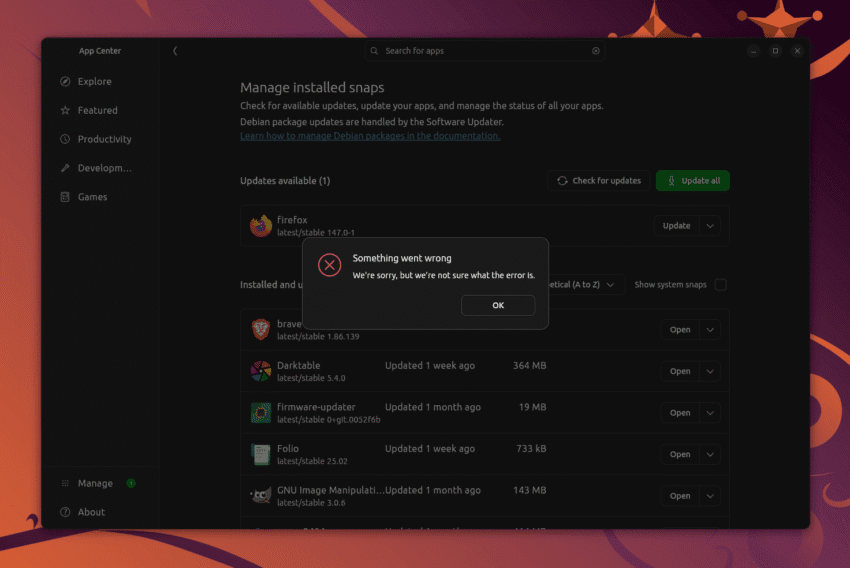
Even when the system was functioning, it was not without its quirks. Ubuntu frequently threw up error messages that seemed irrelevant or unhelpful. For instance, I encountered a persistent notification about missing dependencies for software updates, despite having a stable internet connection. This issue was frustrating, as it hindered my ability to keep the system up to date and secure. The errors often felt cryptic, leaving me to search online forums for solutions that were not always readily available.
Community Support and Resources
One of the selling points of Linux is its vibrant community. However, I found that while there were numerous forums and resources available, the quality of support varied significantly. Some users were quick to offer assistance, while others provided outdated or incomplete solutions. This inconsistency made troubleshooting a cumbersome process. I spent hours sifting through threads, only to find that the solutions offered did not apply to my specific situation.
Documentation and Learning Curve
The documentation provided by Ubuntu was extensive, but it often assumed a level of familiarity with Linux that I did not possess. As a newcomer, I found myself overwhelmed by technical jargon and commands that were foreign to me. While I was eager to learn, the steep learning curve proved to be a barrier. I often felt lost, unsure of how to proceed when faced with challenges that required more advanced knowledge.
Performance Issues
As I continued to use Ubuntu, performance issues began to surface. While the system initially booted quickly, I noticed that it became increasingly sluggish over time. Applications took longer to launch, and multitasking became a chore. This was particularly disheartening, as I had hoped that switching to Linux would provide a smoother experience compared to Windows. The performance degradation raised questions about the long-term viability of using Ubuntu on my Dell XPS 15.
Comparison with Other Operating Systems
Reflecting on my experiences, I couldn’t help but compare Ubuntu with other operating systems I had used. The seamless integration and performance of macOS on my M1 MacBook Pro stood in stark contrast to the challenges I faced with Linux. While I appreciated the open-source nature of Ubuntu, the user experience was marred by frequent errors and performance issues that detracted from productivity.
Revisiting the Decision
As the weeks went by, I began to question my decision to switch to Linux. The initial excitement had faded, replaced by a sense of frustration and disappointment. I had hoped to provide my child with a reliable platform for learning, but the constant technical issues made it difficult to achieve that goal. The experience left me wondering whether the benefits of using Linux truly outweighed the challenges.
Stakeholder Reactions
My colleagues, Nathan Edwards and Stevie Bonifield, who had also ventured into the world of Linux, shared similar sentiments. While they appreciated the potential of the operating system, they encountered their own set of challenges. The shared experiences highlighted a common theme: the allure of Linux often comes with a steep price in terms of time and effort required to troubleshoot and maintain the system.
Conclusion: A Cautionary Tale
Ultimately, my journey back to Linux was marked by a series of frustrations that overshadowed the initial excitement. While I recognize the value of open-source software and the potential benefits of using Linux, my experience with Ubuntu served as a cautionary tale. The challenges I faced—ranging from driver issues to performance degradation—underscore the importance of carefully considering the suitability of an operating system for specific hardware and use cases.
For those contemplating a switch to Linux, it is essential to weigh the potential benefits against the challenges that may arise. While the community support and customization options are appealing, the reality of navigating technical issues can be daunting. In my case, the decision to return to a more stable operating system was ultimately the right choice for both myself and my child.
Source: Original report
Was this helpful?
Last Modified: February 8, 2026 at 3:37 am
17 views