i m not impressed by xbox cloud Microsoft’s recent announcement to bring Xbox Cloud Gaming to cars has sparked a mix of curiosity and skepticism among gaming enthusiasts and industry analysts alike.
i m not impressed by xbox cloud
Microsoft’s Expanding Gaming Ecosystem
Microsoft has been on a mission to broaden the reach of its gaming services, aiming to make Xbox games accessible on various platforms. This strategy aligns with the company’s vision of creating a more inclusive gaming environment, where players can enjoy their favorite titles without being tethered to traditional gaming consoles. Last month, the company made headlines with the launch of Gears of War: Reloaded on the PlayStation 5, a significant move that showcased its willingness to transcend platform boundaries. This month, the focus shifts to an even more unconventional platform: automobiles.
The Announcement
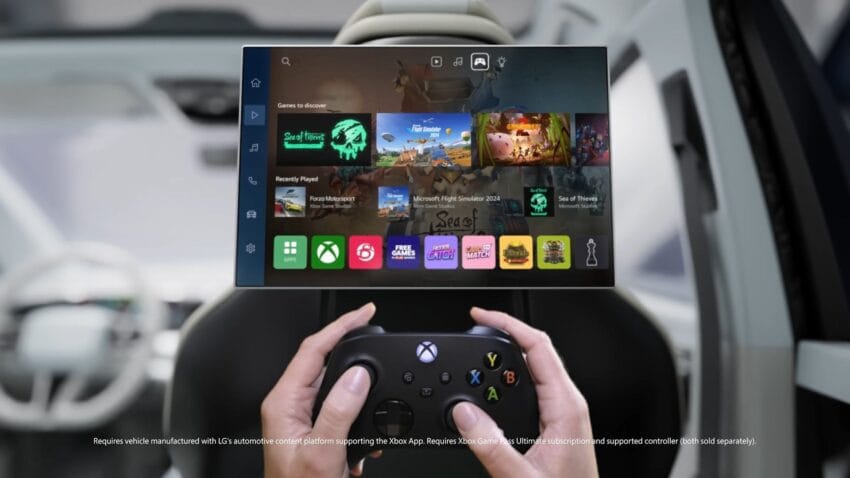
In a recent press release, Microsoft revealed that Xbox Cloud Gaming will soon be available in select vehicles, starting with models from LG. This initiative aims to provide gamers with the ability to play their favorite Xbox titles while on the go, transforming the car into a mobile gaming hub. The integration of cloud gaming technology into vehicles represents a significant leap forward in the way games are consumed, but it also raises questions about practicality and user experience.
Technical Feasibility
At the core of this initiative is the technology that powers Xbox Cloud Gaming. Utilizing Microsoft’s Azure cloud infrastructure, the service allows players to stream games directly to their devices without the need for extensive hardware. This means that even devices with limited processing power can run high-quality games, provided they have a stable internet connection.
However, the question remains: how effective will this streaming experience be within a moving vehicle? Factors such as internet connectivity, latency, and the overall user interface will play crucial roles in determining the success of this venture. While advancements in mobile internet technology, such as 5G, promise faster and more reliable connections, the reality of gaming in a car presents unique challenges. For instance, players may encounter interruptions due to fluctuating signal strength as they travel through different areas.
User Experience and Safety Concerns
Another significant aspect to consider is the user experience. Gaming in a car is fundamentally different from gaming at home. The environment is less controlled, and distractions abound. Passengers may be moving, and the driver must remain focused on the road. This raises safety concerns regarding the potential for distractions caused by gaming while driving.
Addressing Safety Issues
To mitigate these concerns, Microsoft will likely need to implement features that prioritize safety. For instance, the gaming experience could be designed to be more passive for the driver, allowing them to engage with the game only when the vehicle is stationary. Additionally, voice commands and hands-free controls could enhance the experience without compromising safety.
Potential for Passengers
For passengers, the prospect of gaming in a car is more appealing. With the ability to connect to the vehicle’s entertainment system, they could enjoy a seamless gaming experience on larger screens. This could make long road trips more enjoyable, providing entertainment options that go beyond traditional in-car media.
Market Implications
The introduction of Xbox Cloud Gaming in cars could have broader implications for the gaming and automotive industries. As more companies explore the integration of technology into vehicles, the lines between gaming, entertainment, and transportation continue to blur.
Competition in the Automotive Space
Other tech giants are also exploring similar avenues. Companies like Tesla have already integrated gaming capabilities into their vehicles, allowing drivers and passengers to play games while the car is parked. This competitive landscape could push Microsoft to innovate further, not only in gaming but also in how it collaborates with automotive manufacturers.
Consumer Reception
Consumer reception will ultimately determine the success of this initiative. While some gamers may embrace the idea of gaming on the go, others may view it as unnecessary or impractical. The initial rollout will likely be met with skepticism, especially from those who prioritize traditional gaming experiences over mobile solutions.
Future of Gaming in Vehicles
The future of gaming in vehicles is still uncertain, but the potential is vast. As technology continues to evolve, we may see more advanced features that enhance the gaming experience in cars. For instance, augmented reality (AR) and virtual reality (VR) could play a role in creating immersive experiences that are safe and engaging for passengers.
Integration with Smart Features
Moreover, the integration of gaming with smart vehicle features could lead to innovative applications. Imagine a scenario where the car’s navigation system suggests gaming breaks at scenic locations or rest areas, enhancing the overall travel experience. Such features could redefine how we perceive road trips, turning them into opportunities for interactive entertainment.
Conclusion
While the announcement of Xbox Cloud Gaming coming to cars is an intriguing development, it is essential to approach it with a critical eye. The success of this initiative will depend on various factors, including technical feasibility, user experience, safety considerations, and consumer acceptance. As Microsoft continues to push the boundaries of gaming, the industry will be watching closely to see how this ambitious venture unfolds.
Source: Original report
Was this helpful?
Last Modified: September 9, 2025 at 9:47 pm
1 views