i don t hate the robot barista In a surprising twist, a robot barista in Seattle has garnered unexpected affection from coffee enthusiasts.
i don t hate the robot barista
The Rise of Robot Baristas
As technology continues to evolve, it has begun to permeate various aspects of daily life, including the coffee industry. The introduction of robotic baristas, such as Jarvis in Seattle, represents a significant shift in how we perceive and interact with coffee preparation. While many may initially approach the concept with skepticism, the experience can be surprisingly delightful.
Seattle’s Coffee Culture
Seattle is renowned for its vibrant coffee culture, with a plethora of coffee shops that cater to diverse tastes and preferences. Walking through the city, one can encounter a variety of establishments, from artisanal cafes to bustling chains. Each shop has its unique atmosphere, often reflecting the personality of its baristas and the community it serves. The city’s love for coffee is palpable, with residents often seeking out their favorite spots for a daily caffeine fix.
On a typical six-block stroll through downtown Seattle, one might pass numerous coffee shops, each offering something distinct. For instance, a cozy nook dedicated to chai, a yoga studio café promoting wellness, and a busy Starbucks that remains a staple for many. However, amidst this rich tapestry of coffee options, one shop stands out: a café where a robot named Jarvis takes center stage.
Meet Jarvis: The Robot Barista
Jarvis, the robotic barista, operates in a luxury apartment building known as Hill7. Located conveniently between the courthouse and various downtown attractions, this café aims to provide residents and visitors with a unique coffee experience. Unlike traditional baristas, Jarvis is programmed to deliver consistent quality and efficiency, making it an intriguing addition to Seattle’s coffee scene.
The Experience of Ordering Coffee from a Robot
Upon entering the café, patrons are greeted by a sleek, modern setup where Jarvis stands ready to take orders. The interaction begins with a simple touch screen interface, allowing customers to customize their drinks according to their preferences. From selecting the type of coffee bean to choosing flavors like rose-flavored syrup, the process is straightforward and user-friendly.
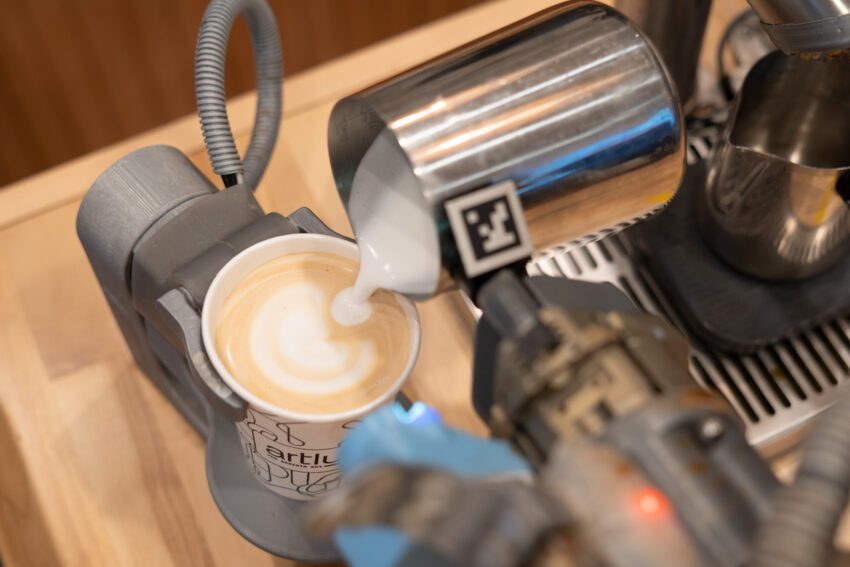
Once the order is placed, Jarvis springs into action. The robot employs precision techniques to brew the coffee, steam the milk, and create latte art. For many, the sight of a robot expertly crafting a latte can be both fascinating and slightly intimidating. The question arises: can a machine truly replicate the artistry and personal touch that human baristas provide?
The Latte Art Challenge
One of the most notable aspects of coffee preparation is the art of creating beautiful designs atop lattes. Latte art has become a hallmark of skilled baristas, often serving as a point of pride and a way to connect with customers. However, when faced with a robot capable of producing intricate designs, some may feel a sense of embarrassment or competition.
During the experience, it becomes clear that Jarvis is not just a machine but a well-designed entity capable of performing tasks with remarkable accuracy. The robot’s latte art is impressive, showcasing swirls and patterns that rival those crafted by human hands. This raises an interesting dialogue about the role of technology in creative fields and whether machines can truly match human creativity.
Customer Reactions
Initial reactions to Jarvis have varied widely. Some customers express excitement and curiosity, eager to see how a robot can enhance their coffee experience. Others, however, may approach the situation with skepticism, questioning the need for a robotic barista in a city that prides itself on its artisanal coffee culture.
One frequent visitor to the café shared their thoughts: “I was initially hesitant about ordering from a robot, but the experience has been surprisingly enjoyable. The coffee is consistently good, and I appreciate the efficiency.” This sentiment reflects a growing acceptance of technology in everyday life, particularly when it enhances convenience without sacrificing quality.
Implications for the Coffee Industry
The emergence of robotic baristas like Jarvis raises important questions about the future of the coffee industry. As automation becomes more prevalent, traditional coffee shops may need to adapt to remain competitive. This could involve integrating technology into their operations while still preserving the human touch that many customers cherish.
Balancing Technology and Human Interaction
While robots can streamline processes and improve efficiency, the essence of coffee culture often lies in the relationships formed between baristas and customers. Many coffee enthusiasts appreciate the personal interactions that come with ordering a drink, sharing stories, and receiving recommendations. The challenge for coffee shops will be finding a balance between leveraging technology and maintaining the human connections that make the experience special.
Some establishments may choose to embrace a hybrid model, where robots handle routine tasks while human baristas focus on customer engagement and crafting unique beverages. This approach could allow coffee shops to enhance their operations without losing the personal touch that defines their brand.
The Future of Coffee and Technology
As technology continues to advance, the coffee industry will likely see further innovations. From automated brewing systems to AI-driven flavor profiles, the possibilities are vast. However, the key will be ensuring that these advancements enhance rather than detract from the overall experience.
Consumer Preferences and Trends
Consumer preferences are also evolving, with many individuals seeking convenience and efficiency in their daily routines. The rise of mobile ordering and delivery services has already transformed how people access coffee. As robotic baristas become more commonplace, it is essential for coffee shops to stay attuned to these trends and adapt accordingly.
Moreover, sustainability is becoming an increasingly important factor in consumer decision-making. Coffee drinkers are more conscious of the environmental impact of their choices, leading to a demand for ethically sourced beans and eco-friendly practices. Robotic baristas could play a role in promoting sustainability by minimizing waste and optimizing resource usage.
Conclusion: Embracing Change in Coffee Culture
The introduction of Jarvis, the robot barista, has sparked a conversation about the intersection of technology and coffee culture. While some may initially resist the idea of a robot preparing their beloved beverages, the experience can be surprisingly enjoyable and efficient. As the coffee industry continues to evolve, it will be crucial for establishments to find ways to integrate technology while preserving the personal connections that define the coffee experience.
Ultimately, the presence of robotic baristas like Jarvis may not signify the end of traditional coffee shops but rather a new chapter in the ongoing story of coffee culture. By embracing change and innovation, the industry can continue to thrive in an ever-evolving landscape.
Source: Original report
Was this helpful?
Last Modified: February 2, 2026 at 6:41 am
6 views