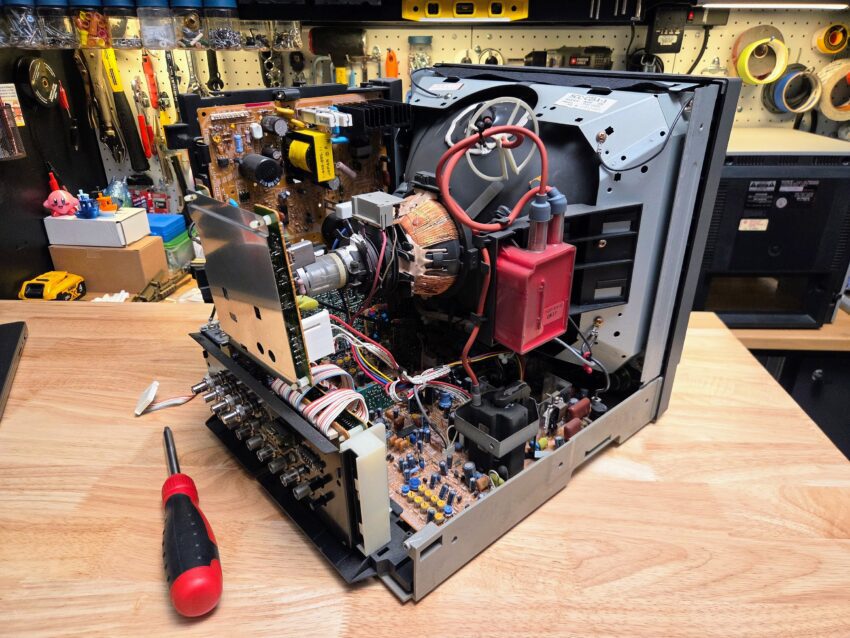
i couldn t fix it with ifixit iFixit has launched a new AI-driven chatbot, FixBot, designed to assist users with various repair tasks through voice and text interactions.
i couldn t fix it with ifixit
Introduction to FixBot
In an era where technology is rapidly evolving, the need for effective repair solutions has become increasingly important. Many consumers face challenges when their devices malfunction, often leading to frustration and the decision to replace rather than repair. iFixit, a well-known platform for repair guides and parts, has introduced FixBot, an AI chatbot that aims to bridge this gap. The tool is designed to guide users through troubleshooting and repair processes, making it easier for individuals to fix their devices without needing extensive technical knowledge.
How FixBot Works
FixBot operates through both voice and text interfaces, allowing users to communicate their issues in a manner that feels natural and intuitive. The chatbot engages users by asking a series of questions to narrow down the problem. For instance, if a user reports that their classic Sony CRT television won’t power on, FixBot would prompt them to check the power source, inspect the cables, or even suggest simple fixes like ensuring the remote control has working batteries.
Interactive Troubleshooting
The interactive nature of FixBot is one of its key features. Users can share images of their devices, which the AI can analyze to provide more tailored advice. This visual component is particularly beneficial for users who may not be familiar with the inner workings of their devices. By allowing users to engage in a dialogue, FixBot aims to replicate the experience of consulting with a master technician. iFixit claims that this approach helps users arrive at a diagnosis organically, rather than simply following a list of instructions.
Limitations of AI in Repair Guidance
While the concept of an AI-driven repair assistant is promising, there are inherent limitations to consider. The effectiveness of FixBot largely depends on the complexity of the issue at hand. For straightforward problems, such as a device not powering on due to a disconnected cable, the chatbot may provide adequate guidance. However, for more intricate issues, such as those involving internal components or software malfunctions, the AI may struggle to deliver precise solutions.
Real-World Application: A Personal Experience
In a recent hands-on experience with FixBot, I attempted to troubleshoot several devices: my classic Sony CRT television, a Mitsubishi heat pump that wasn’t producing sufficient heat, and a Japanese Nintendo 64 that I wanted to modify to play US games. Despite the promise of the AI assistant, my experience was mixed.
Troubleshooting the Sony CRT Television
When I first engaged with FixBot regarding my Sony CRT television, I expected a seamless interaction. The chatbot began by asking about the symptoms of the problem. After explaining that the TV wouldn’t power on, FixBot suggested checking the power cable and ensuring the outlet was functional. While these are standard troubleshooting steps, they felt somewhat rudimentary. I had already checked these basic elements before reaching out to the AI.
Addressing the Mitsubishi Heat Pump
Next, I turned to FixBot for assistance with my Mitsubishi heat pump. The unit was not producing enough hot air, and I hoped the AI could provide insights into potential causes. FixBot initiated a series of questions about the thermostat settings and the unit’s maintenance history. While this line of questioning was logical, it didn’t delve deeply into specific issues that could affect heat output, such as refrigerant levels or ductwork problems.
Modifying the Japanese Nintendo 64
Finally, I sought FixBot’s help with my Japanese Nintendo 64, which I wanted to modify to play US games. This task involves a more technical understanding of the console’s hardware. FixBot provided some general advice but fell short of offering detailed guidance on the necessary modifications. The lack of specificity in the instructions left me feeling uncertain about proceeding with the repair.
Comparing FixBot to Traditional Repair Resources
In comparing FixBot to traditional repair resources, such as iFixit’s extensive library of guides and community forums, it becomes clear that while AI can enhance the repair experience, it cannot fully replace the depth of knowledge available through human expertise. iFixit’s written guides often include step-by-step instructions, images, and user comments that provide valuable context and troubleshooting tips. In contrast, FixBot’s AI-driven approach, while innovative, lacks the comprehensive detail that many users may require.
The Role of Community in Repairs
Another significant aspect of the repair process is the community support that platforms like iFixit foster. Users can share their experiences, ask questions, and receive advice from others who have encountered similar issues. This communal knowledge can be invaluable, especially for complex repairs. While FixBot offers a degree of interactivity, it does not replicate the richness of community engagement that many users find beneficial.
Future Implications of AI in Repair Technology
The introduction of AI tools like FixBot raises important questions about the future of repair technology. As AI continues to evolve, there is potential for more sophisticated systems that can better understand user needs and provide more accurate solutions. However, the current limitations of FixBot highlight the challenges that remain in developing AI that can effectively assist with technical repairs.
Potential for Improvement
For FixBot to become a more reliable resource, ongoing improvements will be necessary. This could involve enhancing the AI’s ability to understand complex issues, integrating more detailed troubleshooting protocols, and expanding the database of knowledge it draws from. User feedback will be crucial in shaping these developments, as real-world experiences can provide insights into the areas where the AI falls short.
Broader Implications for Consumer Electronics
The rise of AI in repair technology also has broader implications for consumer electronics. As devices become more complex, the need for effective repair solutions will only grow. AI tools like FixBot could play a significant role in empowering users to take control of their repairs, potentially reducing electronic waste and promoting sustainability. However, this will require a careful balance between automation and the invaluable expertise that human technicians provide.
Conclusion
iFixit’s FixBot represents an innovative step forward in the realm of DIY repairs, offering a new way for users to engage with their devices. While the AI chatbot has the potential to enhance the repair experience, my personal experience suggests that it currently lacks the depth and specificity needed for more complex issues. As technology continues to advance, there is hope that AI tools will evolve to meet the demands of users seeking effective repair solutions. In the meantime, traditional resources and community support remain essential components of the repair landscape.
Source: Original report
Was this helpful?
Last Modified: December 11, 2025 at 11:48 am
2 views