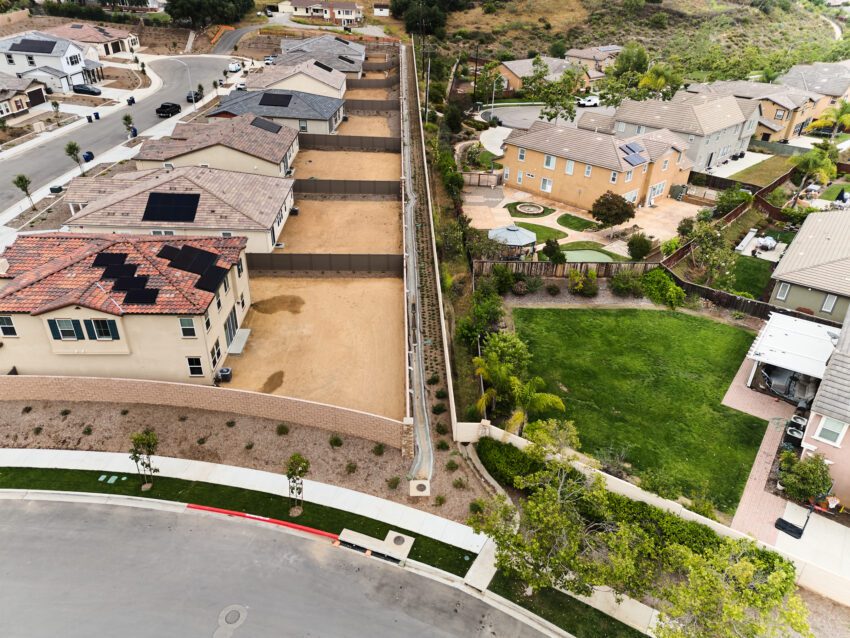
how to fireproof a city A recent demonstration in Anaheim showcased the stark differences in fire resilience between two homes, highlighting the importance of design in fireproofing urban areas.
how to fireproof a city
The Demonstration: A Stark Contrast
Last June, a significant event took place near the Los Angeles Angels’ stadium in Anaheim, California, where a crowd gathered to witness a dramatic demonstration of fire resilience. The Insurance Institute for Business & Home Safety (IBHS) organized this event at a firefighting training center, aiming to educate the public on the critical importance of building design in preventing fire damage.
During the demonstration, two homes were set ablaze under controlled conditions. Within a mere 30 minutes, one structure was reduced to a smoldering, blackened wood frame, while the other remained remarkably unscathed. This striking contrast was not merely a coincidence; it was the result of intentional design choices aimed at enhancing fire resistance.
The Role of Building Materials
One of the key factors contributing to the fire resilience of the second home was the choice of building materials. Traditional wood framing is highly susceptible to fire, allowing flames to spread rapidly. In contrast, the fire-resistant home utilized non-combustible materials such as fiber-cement siding and metal roofing. These materials are designed to withstand high temperatures and prevent the ignition of flames, effectively slowing down the spread of fire.
In addition to the exterior materials, the demonstration emphasized the importance of fire-resistant windows and doors. Standard windows can shatter under intense heat, allowing flames to enter the home. The fire-resistant home, however, featured tempered glass windows that can withstand higher temperatures, further protecting the interior from fire damage.
Landscaping and Defensible Space
Another crucial aspect of fireproofing a home is the landscaping surrounding it. The demonstration illustrated how vegetation can either contribute to or mitigate fire risk. Homes situated in areas with dense, dry vegetation are at a higher risk of ignition, as flames can easily jump from plants to structures. The fire-resistant home was surrounded by carefully selected landscaping that included fire-resistant plants and a defensible space free of combustible materials.
Defensible space is a buffer zone between a home and the surrounding vegetation. It plays a vital role in reducing the risk of fire spreading to the home. The IBHS demonstration highlighted the importance of maintaining this space by regularly clearing away dead vegetation and ensuring that flammable materials are kept at a safe distance from the home.
Implications for Urban Planning
The implications of these findings extend beyond individual homes to the broader context of urban planning. As wildfires become increasingly common due to climate change and urban expansion into fire-prone areas, cities must adopt proactive measures to enhance fire resilience. This includes revising building codes to mandate the use of fire-resistant materials and encouraging homeowners to invest in fireproofing measures.
City planners and policymakers can play a pivotal role in promoting fire resilience by integrating fire safety into zoning regulations and land use planning. For instance, creating buffer zones between residential areas and wildland can significantly reduce the risk of fire spread. Additionally, municipalities can incentivize homeowners to adopt fire-resistant landscaping practices through grants or tax breaks.
Community Engagement and Education
Community engagement is another essential component of fire resilience. Educating residents about fire safety measures and the importance of fire-resistant design can empower them to take action. Workshops, informational campaigns, and community demonstrations can help raise awareness and encourage homeowners to prioritize fireproofing their properties.
Moreover, local governments can collaborate with organizations like the IBHS to provide resources and training for builders and contractors. By ensuring that construction professionals are well-versed in fire-resistant building techniques, cities can foster a culture of safety that permeates throughout the community.
Stakeholder Reactions
The demonstration in Anaheim garnered attention from various stakeholders, including homeowners, builders, and local officials. Many attendees expressed a newfound understanding of the importance of fire-resistant design. Homeowners, in particular, voiced concerns about the rising threat of wildfires and the need to protect their properties.
Builders and contractors also recognized the value of incorporating fire-resistant materials and designs into their projects. Several industry professionals noted that while the initial costs of fire-resistant materials may be higher, the long-term benefits, including reduced insurance premiums and increased property value, make it a worthwhile investment.
Insurance Industry Perspective
The insurance industry has a vested interest in promoting fire resilience as well. Insurers are increasingly recognizing the correlation between fire-resistant homes and reduced claims related to fire damage. As a result, some insurance companies are offering discounts to homeowners who implement fireproofing measures. This trend not only incentivizes homeowners to invest in fire safety but also helps insurers mitigate their own risks.
Case Studies and Success Stories
Several cities across the United States have already begun implementing fire resilience strategies with notable success. For instance, the city of Santa Rosa, California, which experienced devastating wildfires in 2017, has since adopted stricter building codes that require fire-resistant materials in new construction. This proactive approach has led to a significant reduction in fire damage in subsequent wildfire events.
Similarly, the town of Paradise, California, which was nearly destroyed by the Camp Fire in 2018, is undergoing a rebuilding process that emphasizes fire resilience. Local officials are working closely with residents to ensure that new homes are constructed with fire-resistant materials and designs, creating a safer community for the future.
Lessons Learned
These case studies highlight the importance of learning from past experiences and adapting to the changing landscape of fire risk. As climate change continues to exacerbate the frequency and intensity of wildfires, cities must remain vigilant and proactive in their fire resilience efforts. The lessons learned from these communities can serve as a blueprint for others facing similar challenges.
Conclusion: A Call to Action
The demonstration in Anaheim serves as a powerful reminder of the critical need for fire resilience in urban environments. As wildfires become an increasingly prevalent threat, it is imperative that homeowners, builders, and policymakers work together to implement effective fireproofing measures. By prioritizing fire-resistant design, landscaping, and community engagement, cities can create safer, more resilient neighborhoods.
Ultimately, the responsibility lies with all stakeholders to take action. Whether it is through adopting fire-resistant materials, maintaining defensible space, or advocating for policy changes, every effort counts in the fight against wildfires. As communities come together to prioritize fire safety, they can build a future where homes and neighborhoods are better equipped to withstand the threat of fire.
Source: Original report
Was this helpful?
Last Modified: January 16, 2026 at 8:43 pm
0 views