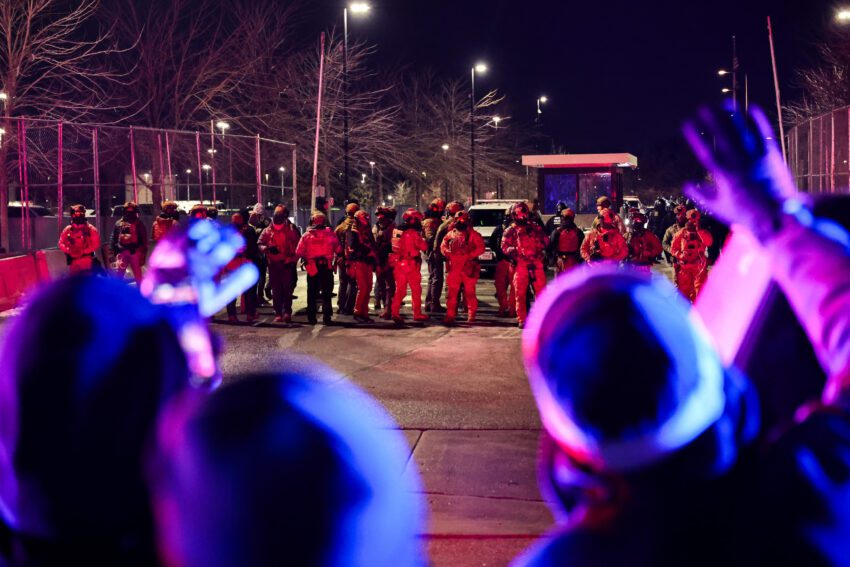
how much can a city take Minneapolis is currently facing an unprecedented situation as over 3,000 ICE agents occupy the city, raising significant concerns among residents and drawing national attention.
how much can a city take
Background of the Situation
The ongoing presence of Immigration and Customs Enforcement (ICE) agents in Minneapolis has created a climate of fear and uncertainty. This occupation began approximately three weeks ago and has since escalated, leading to heightened tensions within the community. The situation has not only affected the daily lives of residents but has also sparked discussions about immigration policy, civil rights, and community safety.
Minneapolis, a city known for its progressive values and welcoming attitude, is now grappling with the implications of this large-scale enforcement operation. The presence of ICE agents has disrupted the lives of many, particularly those in immigrant communities who feel targeted and vulnerable. The situation has drawn comparisons to previous immigration crackdowns across the United States, which have often led to widespread anxiety and community unrest.
Personal Impact on Residents
As a resident of Minneapolis, I have witnessed firsthand the effects of this occupation. Growing up in a suburb of St. Paul, I have always considered this region a safe haven. However, the current climate has shattered that sense of security. Friends and family members have reached out to express their concerns, often starting their messages with, “Uh… is this really as bad as it looks from the outside?” My response is simple: it’s worse.
The fear permeating the community is palpable. Parents worry about their children’s safety, while individuals who may have previously felt secure in their status now live in constant anxiety. The presence of ICE agents has led to increased reports of harassment and intimidation, further exacerbating the already tense atmosphere.
Community Reactions
The community’s response to the ICE occupation has been varied. Many residents have taken to the streets to protest, demanding an end to the operation and advocating for the rights of immigrants. These protests have drawn significant attention, with participants emphasizing the need for solidarity and support for those affected by the crackdown.
Local organizations have mobilized to provide resources and assistance to immigrant families. Legal aid clinics have seen an uptick in requests for help, as individuals seek guidance on how to navigate the complexities of immigration law in light of the current situation. Community leaders are working tirelessly to ensure that those impacted by the ICE presence feel supported and informed.
Political Implications
The occupation has also sparked a political debate within the city. Local officials are grappling with how to respond to the federal government’s actions, and discussions about sanctuary city policies have resurfaced. Some city leaders are advocating for stronger protections for immigrants, while others are concerned about the potential repercussions of defying federal authorities.
This situation has placed local politicians in a challenging position. They must balance the needs and concerns of their constituents with the realities of federal immigration enforcement. The pressure to take a stand is mounting, as residents demand accountability and action from their elected officials.
Broader Context of Immigration Enforcement
The ICE occupation in Minneapolis is part of a larger trend of increased immigration enforcement across the United States. In recent years, the federal government has ramped up its efforts to detain and deport undocumented immigrants, often targeting communities with significant immigrant populations. This shift has led to widespread fear and anxiety, particularly among those who may be undocumented or have family members at risk of deportation.
Nationally, the conversation around immigration has become increasingly polarized. Advocates for stricter immigration enforcement argue that it is necessary for national security, while opponents contend that it undermines the values of compassion and inclusivity that the country was built upon. The current situation in Minneapolis serves as a microcosm of this broader debate, highlighting the human impact of immigration policies.
Legal and Ethical Considerations
The legal and ethical implications of the ICE occupation are significant. Many advocates argue that the tactics employed by ICE violate the civil rights of individuals, particularly in communities of color. Reports of racial profiling and unlawful detentions have raised alarms about the potential for abuse of power by federal agents.
Furthermore, the ethical considerations surrounding immigration enforcement are complex. While some argue that enforcing immigration laws is necessary, others contend that the methods used often lead to devastating consequences for families and communities. The moral dilemma of balancing law enforcement with compassion for vulnerable populations remains a contentious issue.
Future Outlook
As the ICE occupation continues, the future remains uncertain. Community leaders are calling for an end to the operation, but there is no clear timeline for when or if that will happen. The situation has already had lasting effects on the community, and the psychological toll on residents cannot be overstated.
Looking ahead, it is crucial for local leaders to engage in open dialogue with residents about their concerns and needs. Building trust within the community will be essential in addressing the fallout from this occupation. Additionally, there is a pressing need for comprehensive immigration reform at the national level to address the root causes of these issues and create a more just and equitable system.
Solidarity and Support
In the face of adversity, the spirit of solidarity among residents has been inspiring. Many individuals and organizations are stepping up to support those affected by the ICE presence. From providing legal assistance to organizing community events, the resilience of the Minneapolis community is evident.
As residents come together to advocate for change, it is essential to remember that the fight for justice and equality is ongoing. The current situation serves as a reminder of the importance of standing up for the rights of all individuals, regardless of their immigration status.
Conclusion
The occupation of Minneapolis by ICE agents has created a climate of fear and uncertainty that has deeply affected the community. As residents navigate this challenging situation, the need for solidarity, support, and advocacy has never been more critical. The implications of this occupation extend beyond the immediate effects on individuals and families; they raise important questions about immigration policy, civil rights, and the values that define our society.
As the situation continues to unfold, it is essential for residents, community leaders, and policymakers to engage in meaningful dialogue and work towards solutions that prioritize the well-being of all individuals. The resilience of the Minneapolis community in the face of adversity is a testament to the strength of collective action and the enduring fight for justice.
Source: Original report
Was this helpful?
Last Modified: January 20, 2026 at 1:38 pm
7 views