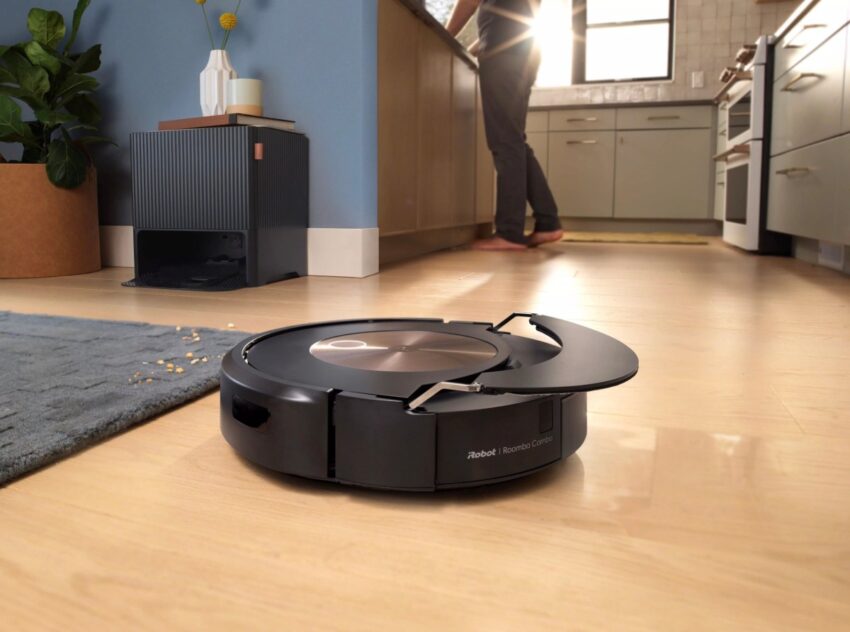
how irobot lost its way home iRobot, a pioneer in the home robotics industry, has faced significant challenges that culminated in its recent bankruptcy proceedings, primarily influenced by regulatory hurdles surrounding its acquisition by Amazon.
how irobot lost its way home
The Rise of iRobot
Founded in 1990 by Rodney Brooks, Colin Angle, and Helen Greiner, iRobot initially focused on developing robots for military and space applications. However, the company gained widespread recognition with the launch of the Roomba vacuum cleaner in 2002. The Roomba revolutionized home cleaning by introducing autonomous technology to everyday chores, making it a household name.
Over the years, iRobot expanded its product line to include various robotic devices, such as the Braava floor mopping robot and the Terra lawn mowing robot. The company’s innovative approach and commitment to research and development allowed it to thrive in a competitive market, facing challenges from both established brands and new entrants. iRobot’s ability to adapt to consumer needs and technological advancements contributed to its growth, establishing it as a leader in the home robotics sector.
Challenges and Market Dynamics
Despite its success, iRobot encountered numerous challenges in the evolving landscape of consumer electronics. The rise of smart home technology, coupled with increasing competition from companies like Shark, Ecovacs, and Roborock, placed pressure on iRobot to innovate continuously. These competitors offered similar products at lower price points, forcing iRobot to rethink its pricing strategy and product offerings.
Additionally, the COVID-19 pandemic altered consumer behavior, leading to increased demand for home cleaning products. While this surge initially benefited iRobot, it also intensified competition as more companies sought to enter the market. The company faced difficulties in maintaining its market share, resulting in fluctuating sales and profits.
The Amazon Acquisition and Regulatory Scrutiny
In 2022, iRobot announced its plans to be acquired by Amazon for approximately $1.7 billion. This acquisition was seen as a strategic move for both companies. For Amazon, integrating iRobot’s technology into its ecosystem promised to enhance its smart home offerings, while iRobot would benefit from Amazon’s vast resources and distribution network.
However, the acquisition faced significant regulatory scrutiny, particularly from European regulators concerned about potential monopolistic practices. The European Commission launched an investigation into the deal, focusing on how it might affect competition in the smart home market. The scrutiny intensified as regulators expressed concerns that the acquisition could stifle innovation and limit consumer choices.
In early 2023, European regulators officially blocked the acquisition, citing antitrust concerns. This decision was a significant blow to iRobot, which had been banking on the merger to bolster its financial stability and market position. The rejection of the acquisition not only impacted iRobot’s immediate financial outlook but also raised questions about its long-term viability in a competitive market.
Bankruptcy Proceedings and Supplier Takeover
Following the failed acquisition, iRobot faced mounting financial pressures. The company reported significant losses, leading to a decline in stock prices and investor confidence. In late 2023, iRobot announced that it would be filing for Chapter 11 bankruptcy protection, a move aimed at restructuring its debts and stabilizing its operations.
As part of the bankruptcy proceedings, iRobot’s primary supplier, a company that had been integral to its manufacturing processes, expressed interest in acquiring the struggling robotics firm. This unexpected turn of events highlights the complexities of the supply chain in the tech industry, where relationships between manufacturers and suppliers can significantly influence a company’s fate.
Implications of the Bankruptcy
The bankruptcy proceedings raise several implications for iRobot, its employees, and the broader home robotics market. For employees, the uncertainty surrounding the company’s future could lead to job losses and a shift in corporate culture. The potential acquisition by its supplier may bring about changes in leadership and operational strategies, impacting the company’s direction.
From a market perspective, the bankruptcy of a leading player like iRobot could create opportunities for competitors to capture market share. Companies that have been vying for a foothold in the home robotics sector may see this as an opportunity to expand their offerings and attract iRobot’s customer base. Additionally, the situation underscores the importance of regulatory environments in shaping corporate strategies and market dynamics.
Stakeholder Reactions
The reactions to iRobot’s bankruptcy and the failed Amazon acquisition have been mixed among stakeholders. Investors expressed disappointment over the company’s inability to secure the acquisition, which many believed would have provided a much-needed lifeline. The stock market responded negatively, reflecting concerns about iRobot’s future prospects.
Consumers, on the other hand, may have mixed feelings. While some may be concerned about the potential decline of a beloved brand, others may welcome increased competition in the market, leading to better products and pricing. The situation also raises questions about the future of smart home technology and how companies will adapt to changing consumer preferences.
The Future of Home Robotics
As iRobot navigates its bankruptcy proceedings, the future of home robotics remains uncertain. The company’s challenges highlight the need for innovation and adaptability in a rapidly changing market. With increasing competition and evolving consumer demands, companies must continuously invest in research and development to stay relevant.
Moreover, the regulatory landscape will play a crucial role in shaping the future of the industry. As governments worldwide become more vigilant about antitrust practices, companies must navigate these complexities while pursuing growth strategies. The failed Amazon acquisition serves as a cautionary tale for other tech firms considering similar mergers and acquisitions.
Potential for Recovery
While the road ahead may be challenging for iRobot, there is potential for recovery. The company’s strong brand recognition and loyal customer base could provide a foundation for rebuilding. If the acquisition by its supplier proceeds successfully, it may lead to a revitalization of iRobot’s product offerings and operational efficiencies.
Additionally, the growing interest in smart home technology presents opportunities for innovation. As consumers increasingly seek convenience and automation in their homes, companies that can deliver effective solutions may thrive. iRobot’s legacy in the robotics space could serve as a launching pad for new developments, provided it can adapt to the changing landscape.
Conclusion
The story of iRobot serves as a reminder of the complexities and challenges inherent in the technology sector. From its rise as a leader in home robotics to its recent struggles, the company’s journey reflects the dynamic nature of the market. As iRobot navigates its bankruptcy proceedings and potential acquisition, the implications for the home robotics industry and its stakeholders will continue to unfold.
Ultimately, the future of iRobot and the broader home robotics market will depend on the ability of companies to innovate, adapt, and respond to regulatory challenges. As the industry evolves, the lessons learned from iRobot’s experience will likely resonate with other tech firms navigating similar waters.
Source: Original report
Was this helpful?
Last Modified: December 15, 2025 at 6:38 pm
8 views