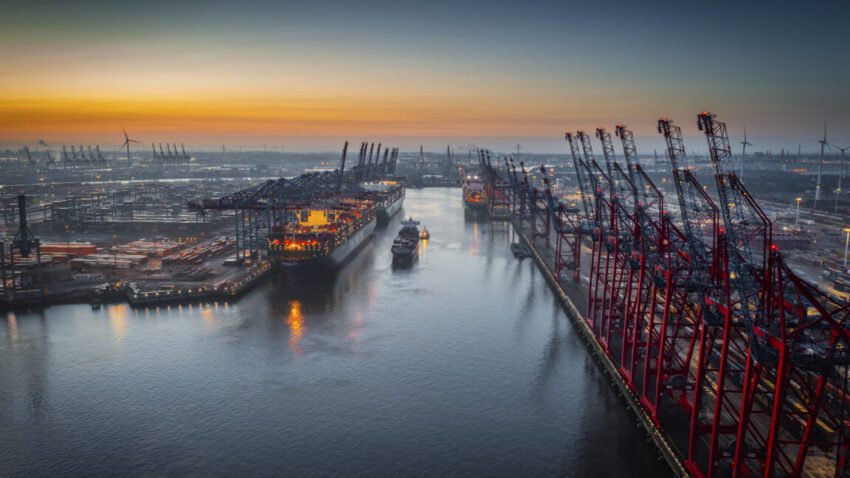
how europe s new carbon tax on Europe’s new carbon tax on imported goods is set to reshape the landscape of global trade, impacting consumers and industries alike across the European Union.
how europe s new carbon tax on
Overview of the Carbon Border Adjustment Mechanism (CBAM)
Beginning on January 1, 2026, the European Union will implement the Carbon Border Adjustment Mechanism (CBAM), a significant regulatory framework aimed at addressing climate change by imposing a carbon price on imported goods. This initiative is part of the EU’s broader strategy to reduce greenhouse gas emissions and transition towards a more sustainable economy.
CBAM is not merely a measure targeting heavy industry; it extends its reach to everyday consumer goods, which means that the cost of items such as cars, home renovation materials, and even local produce may soon reflect the carbon emissions associated with their production. The mechanism aims to level the playing field between EU producers, who are subject to stringent environmental regulations, and foreign manufacturers from countries with less rigorous climate policies.
How CBAM Works
The core principle of CBAM is straightforward: it requires EU-based importers to pay for the greenhouse gases emitted during the production of certain carbon-intensive materials. This includes sectors such as steel, cement, and aluminum, which are known for their high carbon footprints. The mechanism will charge importers based on the carbon emissions associated with the production of these goods, effectively placing a financial burden on products that do not meet the EU’s environmental standards.
Determining the Carbon Price
The carbon price imposed by CBAM will vary depending on the origin of the goods. If products are imported from countries with weaker climate regulations, the carbon charge will be significantly higher. This is intended to incentivize foreign producers to adopt cleaner technologies and practices, thereby reducing their carbon emissions. To sell their products in the EU market, producers will need to demonstrate that their goods are not excessively carbon-intensive.
Implications for Global Trade
The introduction of CBAM is poised to have far-reaching implications for global trade dynamics. As the EU is one of the largest markets in the world, this new regulation will likely influence how countries approach their own climate policies. Here are several key implications:
- Increased Costs for Importers: Importers will face higher costs associated with carbon pricing, which may lead to increased prices for consumers. This could affect everything from the cost of cars to the price of everyday household items.
- Pressure on Non-EU Countries: Countries that export to the EU may feel pressured to strengthen their climate regulations to avoid the financial penalties associated with CBAM. This could lead to a ripple effect, encouraging global efforts to combat climate change.
- Innovation and Investment: The need to comply with CBAM may spur innovation and investment in cleaner technologies among foreign producers. Companies may seek to develop more sustainable production methods to reduce their carbon footprints and remain competitive in the EU market.
- Trade Tensions: The implementation of CBAM could lead to trade tensions between the EU and countries that perceive the mechanism as a form of protectionism. Nations may argue that the carbon tax unfairly disadvantages their industries, potentially leading to disputes in international trade forums.
Stakeholder Reactions
The introduction of CBAM has elicited a range of reactions from various stakeholders, including environmental groups, industry representatives, and government officials.
Environmental Advocates
Environmental organizations have largely welcomed the implementation of CBAM, viewing it as a necessary step in the fight against climate change. They argue that by holding importers accountable for their carbon emissions, the EU is setting a precedent for other regions to follow. This could lead to a more unified global approach to climate policy, ultimately benefiting the planet.
Industry Concerns
Conversely, industry representatives have expressed concerns about the potential economic impact of CBAM. Many fear that the additional costs associated with carbon pricing could make European goods less competitive on the global stage. Furthermore, there are worries about the administrative burden that compliance with CBAM will impose on businesses, particularly smaller companies that may lack the resources to navigate the new regulations.
Government Perspectives
Government officials within the EU have emphasized the importance of CBAM as a tool for achieving climate goals. They argue that the mechanism is essential for protecting the integrity of the EU’s emissions trading system and ensuring that domestic industries are not disadvantaged by foreign competition. However, officials also acknowledge the need for international cooperation to address the challenges posed by climate change effectively.
Potential Challenges Ahead
While CBAM represents a significant step towards a more sustainable global trade framework, several challenges remain. These include:
- Implementation Complexity: The logistics of implementing CBAM will be complex, requiring robust systems to track and verify carbon emissions associated with imported goods. This could lead to delays and complications as businesses adapt to the new requirements.
- International Cooperation: For CBAM to be truly effective, it will require collaboration with other countries. This may involve negotiations to establish common standards for carbon emissions and trade practices, which could be a lengthy and contentious process.
- Public Perception: The success of CBAM will also depend on public support. If consumers perceive the carbon tax as an unfair burden, it could lead to backlash against the EU’s climate policies.
Conclusion
The Carbon Border Adjustment Mechanism is set to transform the landscape of global trade by imposing a carbon price on imported goods. While it aims to promote sustainability and reduce greenhouse gas emissions, the implications of this regulation are complex and multifaceted. As the EU moves forward with CBAM, it will be crucial for stakeholders to engage in constructive dialogue to address the challenges and opportunities that lie ahead. The success of this initiative will ultimately depend on its ability to balance environmental goals with economic realities, fostering a more sustainable future for all.
Source: Original report
Was this helpful?
Last Modified: December 21, 2025 at 12:36 am
0 views