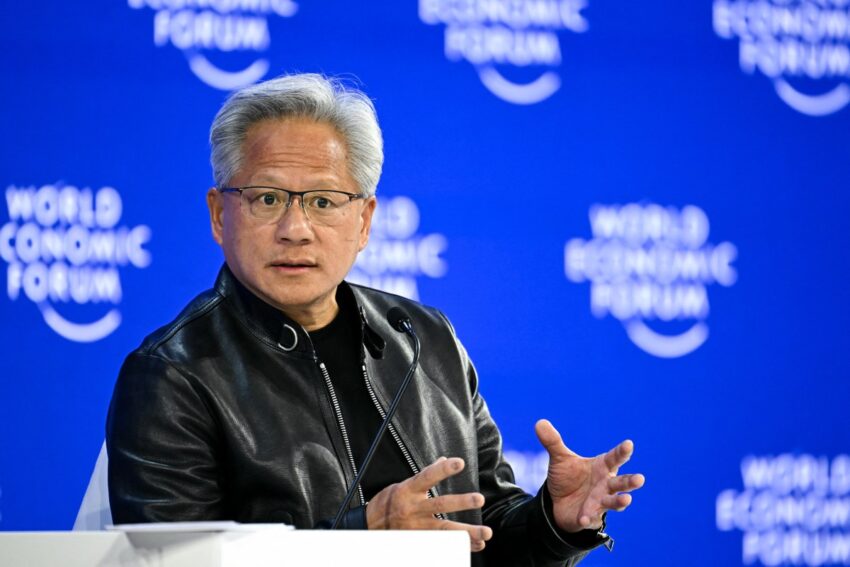
how did davos turn into a tech The annual meeting of the World Economic Forum in Davos has increasingly transformed into a hub for technology discussions, particularly this year, where artificial intelligence (AI) took center stage.
how did davos turn into a tech
Shifting Focus at Davos
This year’s World Economic Forum (WEF) in Davos, Switzerland, marked a significant shift in focus from traditional global issues to the burgeoning field of technology, particularly AI. While climate change and global poverty have historically dominated discussions at this prestigious gathering, the presence of tech giants like Meta and Salesforce on the main promenade signaled a new era. Their storefronts were not merely promotional; they represented a broader trend of tech companies asserting their influence in global economic discussions.
AI Takes Center Stage
Artificial intelligence was the dominant theme at this year’s forum, overshadowing other critical topics. Leaders from various sectors expressed their views on the implications of AI, highlighting both its potential benefits and inherent risks. The conversations ranged from the transformative power of AI in various industries to concerns about job displacement and ethical considerations surrounding its use.
CEOs and industry leaders were vocal about the need for a balanced approach to AI development. Many emphasized the importance of establishing regulatory frameworks that can keep pace with technological advancements. For instance, Sundar Pichai, CEO of Alphabet, articulated the necessity for collaboration between governments and tech companies to ensure that AI is developed responsibly. He stated, “We need to work together to ensure that AI benefits everyone, not just a select few.” This sentiment resonated throughout the conference, as leaders acknowledged the dual-edged nature of AI technology.
Criticism of Trade Policies
In addition to discussions about AI, there was notable public criticism of current trade policies. Many CEOs expressed concerns that existing frameworks are ill-equipped to handle the rapid changes brought about by technological advancements. The dialogue around trade was not merely theoretical; it reflected a growing urgency among business leaders to adapt to a global economy that is increasingly interconnected yet fraught with challenges.
For example, the CEO of a major multinational corporation highlighted the need for trade policies that encourage innovation rather than stifle it. He remarked, “We cannot afford to let outdated trade agreements hinder our progress. The world is changing, and our policies must reflect that.” This call for reform was echoed by several other leaders, indicating a consensus that the current trade landscape needs to evolve in tandem with technological advancements.
The Role of Tech Giants
The presence of tech giants at Davos was more pronounced than ever, with companies like Meta and Salesforce not only participating in discussions but also actively shaping the agenda. Their involvement underscores the growing recognition of technology as a critical driver of economic growth and societal change.
Meta’s Influence
Meta, formerly known as Facebook, utilized its platform to discuss the future of social media in the context of AI. The company’s executives presented their vision for a metaverse that integrates AI technologies to enhance user experiences. However, they also faced scrutiny regarding privacy concerns and the ethical implications of AI-driven content moderation. Mark Zuckerberg, CEO of Meta, acknowledged these challenges, stating, “As we build the metaverse, we must prioritize user safety and trust.” This acknowledgment of responsibility reflects a broader trend among tech leaders to address societal concerns while promoting innovation.
Salesforce’s Vision
Salesforce, another major player, focused on the intersection of AI and customer relationship management (CRM). The company’s executives highlighted how AI can revolutionize customer interactions, providing personalized experiences that drive engagement and loyalty. However, they also cautioned against over-reliance on technology, emphasizing the importance of human connection in business relationships. “AI should enhance human capabilities, not replace them,” said Marc Benioff, CEO of Salesforce. This perspective aligns with the growing sentiment that technology should serve as a tool for empowerment rather than a substitute for human interaction.
Implications for Global Governance
The discussions at Davos have significant implications for global governance, particularly as technology continues to reshape economies and societies. The focus on AI and its potential impact raises questions about how governments can effectively regulate emerging technologies while fostering innovation.
The Need for Regulatory Frameworks
As AI becomes increasingly integrated into various sectors, the need for robust regulatory frameworks is paramount. Leaders at Davos emphasized the importance of collaboration between governments and tech companies to create guidelines that ensure ethical AI development. This collaboration is essential to address concerns such as data privacy, algorithmic bias, and accountability.
Moreover, the urgency for regulatory action is underscored by the rapid pace of technological advancement. Many leaders expressed concern that without proactive measures, the risks associated with AI could outweigh its benefits. This sentiment was echoed by several policymakers who attended the forum, indicating a growing recognition of the need for a unified approach to technology regulation.
Stakeholder Reactions
The reactions from various stakeholders at Davos highlight a complex landscape of opinions regarding the future of technology and its governance. While many business leaders advocate for innovation and growth, there are also calls for caution and responsibility. Activists and advocacy groups voiced concerns about the potential consequences of unchecked technological advancement, particularly in areas such as privacy and job displacement.
One prominent activist noted, “We must not lose sight of the human element in our pursuit of technological progress. The risks are real, and we need to ensure that our policies reflect the values we hold dear.” This perspective serves as a reminder that the conversations at Davos must encompass a diverse range of voices to create a balanced approach to technology governance.
Looking Ahead
The discussions at this year’s World Economic Forum in Davos signal a pivotal moment in the intersection of technology and global governance. As AI continues to evolve, the implications for economies, societies, and governance structures will be profound. The emphasis on collaboration between tech companies and governments is a promising step toward addressing the challenges posed by rapid technological advancement.
However, the path forward is fraught with complexities. Balancing innovation with ethical considerations will require ongoing dialogue and cooperation among all stakeholders. As leaders reflect on the discussions at Davos, the challenge will be to translate these conversations into actionable policies that promote responsible technology development while harnessing its potential for positive change.
In conclusion, the transformation of Davos into a platform for technology discussions reflects a broader trend in global governance. As the world grapples with the implications of AI and other emerging technologies, the need for thoughtful, inclusive dialogue has never been more critical. The conversations that took place this year may very well shape the future of technology and its role in society for years to come.
Source: Original report
Was this helpful?
Last Modified: January 24, 2026 at 8:00 am
0 views