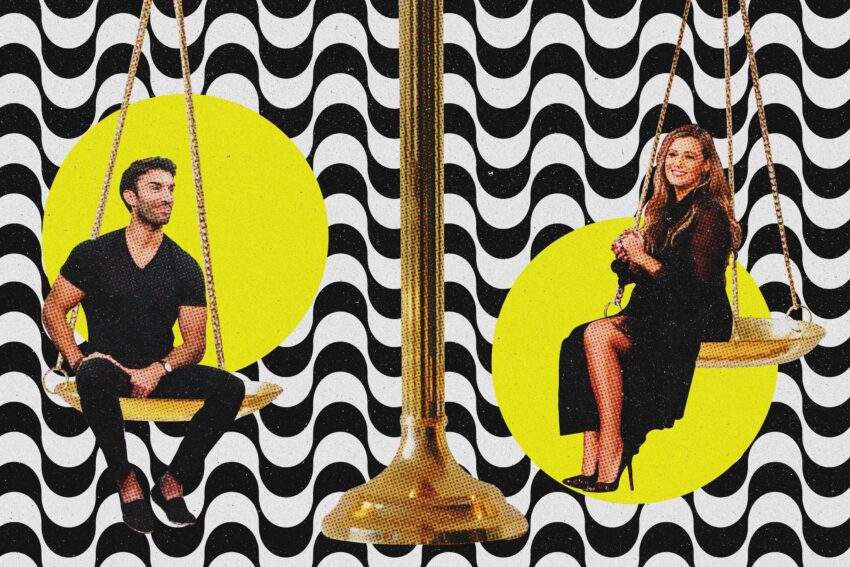
hot subpoena summer Perez Hilton’s recent revelation about being subpoenaed by Blake Lively has ignited a wave of commentary and speculation among influencers and fans alike.
hot subpoena summer
The Subpoena Announcement
On July 1st, Perez Hilton, a prominent figure in celebrity gossip, took to YouTube to share breaking news regarding his involvement in a high-profile legal battle. “Hello everybody, it is Perez, the queen of all media, the original influencer, and allegedly, I have been subpoenaed by Blake Lively,” he announced, stretching the word “allegedly” for dramatic effect. This announcement came in the wake of Lively’s lawsuit against her It Ends With Us co-star Justin Baldoni, which alleges sexual harassment and retaliation. Lively’s complaint claims that Baldoni’s team was disseminating negative information about her online, and Hilton was identified as one of three influencers from whom Lively sought information.
Hilton’s Reaction
Rather than expressing anxiety over the legal implications, Hilton appeared invigorated by the news. He opened his response with a six-second cackle, exclaiming, “I love this!” He read the TMZ headline regarding his alleged involvement and feigned horror, before switching to a syrupy tone to express gratitude. “But my response is thank you,” he said, adding, “Nothing would make me happier than taking the witness stand and testifying!” This reaction underscores the complex relationship between influencers and legal matters, where the potential for increased visibility can often outweigh the risks.
The Evolution of Celebrity Gossip
Hilton’s rise to fame came during a time when celebrity gossip was primarily disseminated through traditional media outlets. However, the landscape has dramatically shifted. Today, social media platforms like TikTok and Reddit are filled with everyday users who engage in spreading news, speculation, and criticism of celebrities. While Hilton was once at the forefront of this trend, the current environment has diversified, with numerous influencers vying for attention. The gossipmonger profit model has expanded significantly, and algorithms now play a crucial role in determining which content goes viral.
Influencers vs. Journalists
In a legal filing supporting his motion to quash Lively’s subpoena, Hilton argued that his reporting should be protected under journalistic standards. “Ms. Lively’s opposition recycles rhetoric designed to brand me as an ‘influencer’ rather than acknowledge my well-established role as a journalist,” he stated. He represented himself in court and claimed that his coverage of the Lively vs. Baldoni case was protected from legal discovery. Interestingly, Hilton also mentioned using ChatGPT to assist with his legal filing, ensuring that there were no inaccuracies in his submission.
The Scope of the Subpoenas
Lively’s legal team has issued subpoenas to over 100 content creators and social media platforms, including X and YouTube. The subpoenas are extensive, seeking communications and information from various influencers, including Hilton and right-wing commentator Candace Owens, who has nearly 7 million followers on X. Owens, also subpoenaed, expressed her excitement about being involved in the case, stating, “I never understood what people meant when they referred to Christmas in July until this exact moment.”
Other Influencers’ Responses
Another influencer, YouTuber Andy Signore, initially took a more serious tone regarding his subpoena. However, he later participated in a live show where he pranked the host with a fake subpoena, showcasing the lighter side of influencer culture amidst serious legal matters. “It was the best prank. Andy got me so good,” said the host, Zack Peter, reflecting the camaraderie among influencers even in the face of legal scrutiny.
Implications of the Legal Battle
The ongoing legal disputes between Lively and Baldoni have broader implications for the influencer landscape. The case may set precedents regarding the boundaries between influencers and journalists, particularly concerning legal protections. This situation echoes previous high-profile cases, such as those involving Cardi B and Megan Thee Stallion, where celebrity gossip creators faced defamation lawsuits. However, Lively’s case is unique in that she aims to demonstrate that content creators participated in a smear campaign against her as retaliation for her allegations of workplace sexual harassment.
The Background of the Lawsuit
The allegations at the center of Lively’s lawsuit stem from the film It Ends With Us, which was released in August 2024. The film, based on Colleen Hoover’s bestselling novel, faced scrutiny even before its release. Lively’s character, who is involved in an abusive relationship, drew criticism for being aged up from 23 to 35, raising concerns about the portrayal of sensitive subjects. Following the film’s premiere, Lively faced a barrage of negative attention, which intensified as her past controversies resurfaced.
Public Perception and Media Coverage
Despite the backlash, It Ends With Us grossed over $350 million globally, indicating that public interest remained high. However, the narrative surrounding Lively shifted dramatically when a New York Times investigation revealed allegations that Baldoni had orchestrated a smear campaign against her. This revelation, coupled with Baldoni’s $250 million defamation lawsuit against the Times, has turned the legal battle into a spectacle that captivates audiences.
The Role of Social Media
As the legal drama unfolds, social media has become a battleground for public opinion. Jessica Maddox, an associate professor of media studies, noted that TikTok users have been actively discussing the lawsuits, often aligning with one side or the other. “I would say it was 70-30, with the bigger number being pro-Justin Baldoni and the smaller number being pro-Blake Lively,” she observed, highlighting the polarized nature of online discourse.
Comparisons to Previous Celebrity Trials
The dynamics of this case bear similarities to the highly publicized trial between Johnny Depp and Amber Heard, where influencers and social media users played a significant role in shaping public perception. During that trial, content creators overwhelmingly sided with Depp, often focusing on sensational aspects rather than the legal arguments presented. The current case appears to be following a similar trajectory, with influencers rallying around Baldoni and framing Lively as the antagonist.
Influencer Crisis Management
In both cases, the involvement of crisis publicists has been significant. Melissa Nathan, who represented Baldoni, has been accused of orchestrating a smear campaign against Lively. Text messages between Nathan and other PR professionals have surfaced, revealing discussions about engaging influencers like Hilton and Signore to amplify their narrative. This raises questions about the ethical implications of using influencers in legal battles and the extent to which they can influence public opinion.
The Future of Influencer Journalism
The ongoing legal battles may redefine the relationship between influencers and traditional journalism. As more influencers assert their roles as journalists, the lines between reporting and commentary continue to blur. Hilton and Signore have both invoked journalistic privilege in their motions to quash subpoenas, arguing that their content serves the public interest. This could set a precedent for how courts view influencer content in the context of legal protections.
The Financial Incentives
Financial motivations also play a crucial role in this narrative. Hilton, while claiming that discussing his earnings from the case would be “tacky,” acknowledged that there is significant money to be made from covering high-profile legal disputes. Many influencers are likely hoping for a repeat of the financial success they experienced during the Depp v. Heard trial, where content creators profited substantially from their coverage.
Conclusion
The unfolding legal drama between Blake Lively and Justin Baldoni, with influencers like Perez Hilton and Candace Owens in the mix, highlights the evolving landscape of celebrity gossip and influencer culture. As these cases progress, they may not only impact the individuals involved but also set new standards for how influencers operate within the realm of journalism and public discourse. The outcome could reshape the boundaries of influencer protections and redefine the role of social media in legal matters.
Source: Original report
Was this helpful?
Last Modified: November 5, 2025 at 5:37 pm
3 views