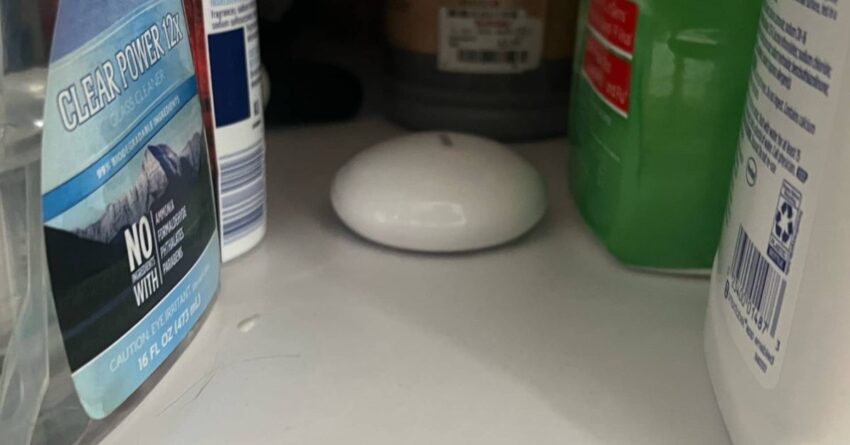
homekit weekly why water leak sensors are Water leak sensors are emerging as an essential component of smart home technology, particularly for homeowners concerned about potential water damage.
homekit weekly why water leak sensors are
The Growing Concern of Water Damage
Water leaks represent one of the most significant risks for homeowners, often leading to extensive damage and costly repairs. According to the Insurance Information Institute, water damage claims account for nearly one-third of all homeowners insurance claims. This statistic underscores the importance of proactive measures in safeguarding one’s property. For many, the fear of a small leak escalating into a major issue is a constant concern, especially in homes with hardwood floors or finished basements. A seemingly innocuous drip from a sink or a malfunctioning appliance can quickly lead to thousands, or even tens of thousands, of dollars in damage.
Understanding the Risks
Water damage can stem from various sources, including:
- Leaking pipes
- Faulty appliances, such as washing machines and dishwashers
- Roof leaks
- Natural disasters, including floods
Each of these scenarios can create a cascade of problems, from structural damage to mold growth, which can pose health risks. The financial implications are significant, with the average cost of water damage restoration ranging from $1,000 to $5,000, depending on the extent of the damage. In severe cases, the costs can escalate dramatically, making it imperative for homeowners to take preventive measures.
The Role of Water Leak Sensors
In this context, water leak sensors have emerged as a crucial tool for homeowners. These devices are designed to detect the presence of water in areas where it shouldn’t be, providing early warnings that can prevent extensive damage. In 2026, these sensors are not just an optional upgrade; they are a critical component of any smart home system, particularly for those using Apple’s HomeKit.
How Water Leak Sensors Work
Water leak sensors operate using various technologies, including:
- Conductive Sensors: These sensors detect water by measuring the conductivity between two electrodes. When water bridges the gap, the sensor triggers an alert.
- Capacitive Sensors: These sensors measure changes in capacitance caused by the presence of water. They are often more sensitive and can detect smaller amounts of water.
- Ultrasonic Sensors: These sensors use sound waves to detect water presence. They can be more expensive but are effective in various environments.
Once a leak is detected, these sensors can send alerts to homeowners via smartphone notifications, allowing for immediate action. Some advanced models can even integrate with other smart home devices, such as smart valves, to shut off the water supply automatically.
Integration with Smart Home Systems
Water leak sensors are particularly effective when integrated into a broader smart home ecosystem. HomeKit, Apple’s smart home platform, allows for seamless integration of various devices, including water leak sensors. This integration provides homeowners with a comprehensive view of their home’s status and enables automated responses to potential issues.
Benefits of HomeKit Integration
Integrating water leak sensors with HomeKit offers several advantages:
- Real-Time Monitoring: Homeowners can monitor their home for leaks in real time, receiving instant notifications on their devices.
- Automated Responses: The ability to automate responses, such as shutting off water valves, can significantly reduce damage.
- Centralized Control: HomeKit allows users to manage all their smart devices from a single app, simplifying home management.
- Enhanced Security: Many water leak sensors also include features like temperature and humidity monitoring, providing additional layers of security against environmental threats.
Choosing the Right Water Leak Sensor
With various options available on the market, selecting the right water leak sensor can be daunting. Here are some key factors to consider:
1. Detection Technology
As previously mentioned, different sensors use various detection technologies. Homeowners should consider their specific needs and choose a sensor that offers the best sensitivity and reliability for their environment.
2. Connectivity
Ensure that the sensor is compatible with your existing smart home ecosystem. For HomeKit users, look for sensors that explicitly state compatibility with Apple’s platform.
3. Battery Life and Maintenance
Battery-operated sensors are convenient, but homeowners should check the battery life and maintenance requirements. Some models may require frequent battery changes, while others may offer long-lasting performance.
4. Additional Features
Some sensors come with extra features, such as temperature and humidity monitoring, which can provide valuable insights into your home’s environment. Additionally, models that offer integration with other smart devices can enhance overall home automation.
Cost Considerations
The cost of water leak sensors can vary widely based on features and technology. Basic models may start around $20, while more advanced options can exceed $100. However, considering the potential cost of water damage, investing in a reliable sensor can be a financially sound decision.
Long-Term Savings
Investing in water leak sensors can lead to significant long-term savings. By preventing water damage, homeowners can avoid costly repairs and insurance claims. Additionally, many insurance companies offer discounts for homes equipped with water leak detection systems, further offsetting the initial investment.
Stakeholder Reactions and Industry Trends
As the smart home market continues to evolve, the demand for water leak sensors is expected to grow. Homeowners are increasingly recognizing the importance of preventive measures in home maintenance. Industry experts predict that the integration of artificial intelligence and machine learning into these devices will enhance their effectiveness, allowing for more accurate leak detection and predictive maintenance.
Consumer Awareness
Consumer awareness regarding the risks associated with water damage is also on the rise. Homeowners are becoming more proactive in seeking solutions that offer peace of mind. This trend is reflected in the growing popularity of home automation systems that prioritize safety and prevention.
Manufacturer Innovations
Manufacturers are responding to this demand by developing more sophisticated water leak sensors. Innovations include improved connectivity options, enhanced detection capabilities, and user-friendly interfaces. As technology advances, we can expect even more reliable and efficient solutions to emerge in the market.
Conclusion
In summary, water leak sensors are a critical component of any smart home setup, particularly for those using HomeKit. The potential for water damage is a significant concern for homeowners, and these devices provide a proactive solution to mitigate risks. With advancements in technology and increasing consumer awareness, the importance of water leak sensors is only expected to grow in the coming years. As we move into 2026, investing in a reliable water leak sensor is not just a smart choice; it is an essential step in protecting one’s home and ensuring peace of mind.
Source: Original report
Was this helpful?
Last Modified: January 18, 2026 at 11:42 am
0 views