hollywood cozied up to ai in 2025 In 2025, Hollywood embraced artificial intelligence in a significant way, yet the results left much to be desired.
hollywood cozied up to ai in 2025
The Evolution of AI in Hollywood
Artificial intelligence has been a part of Hollywood’s toolkit for several years, primarily in post-production processes. The industry has leveraged various generative AI technologies to enhance visual effects, streamline editing, and improve overall production efficiency. For instance, AI has been instrumental in tasks such as de-aging actors, which allows filmmakers to create younger versions of characters without extensive makeup or digital manipulation. Additionally, AI has facilitated the removal of green screen backgrounds, enabling smoother transitions and more immersive storytelling.
Historically, these applications of AI have served as valuable tools for human artists, allowing them to focus on more creative aspects of filmmaking while automating tedious and time-consuming tasks. However, the landscape began to shift in 2025 as Hollywood’s enthusiasm for AI expanded beyond these traditional uses.
The Rise of Generative AI
In 2025, Hollywood’s relationship with generative AI took a new turn. While the technology had previously been used to enhance existing content, it began to be employed in more ambitious ways, such as generating entire scenes or even scripts. This shift raised questions about the quality and originality of the content being produced.
Text-to-Video Technology
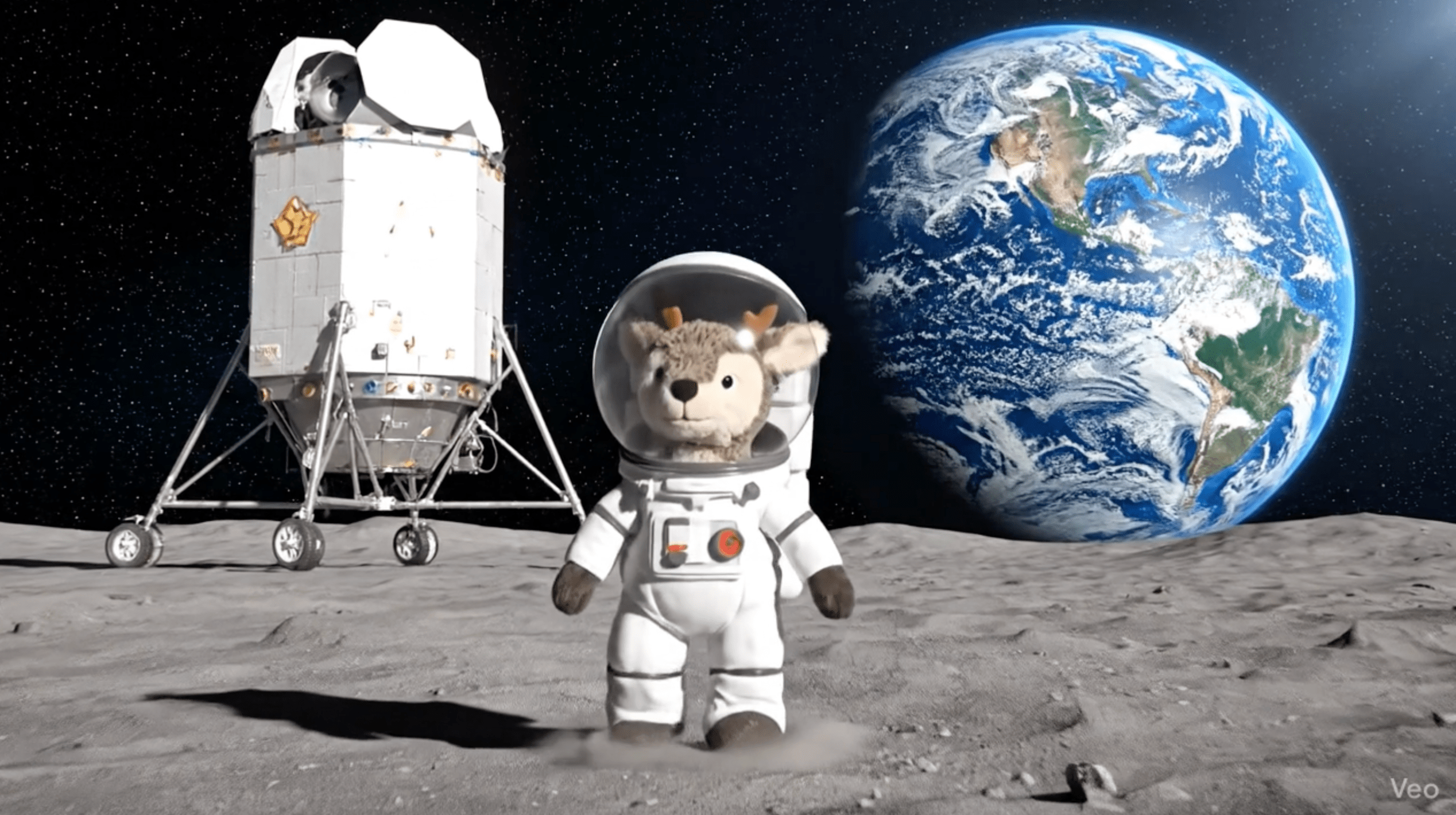
One of the most notable advancements in generative AI during this period was the rise of text-to-video technology. This innovation allowed creators to input written prompts and receive video content in return. While the potential for rapid content creation was enticing, the results often fell short of expectations. Many of the generated videos lacked coherence, depth, and emotional resonance, leading to a perception that the technology was producing “slop” rather than meaningful storytelling.
Critics pointed out that while AI could generate visuals based on text, it struggled to capture the nuances of human emotion and storytelling that are essential to compelling cinema. The reliance on AI for creative processes raised concerns about the dilution of artistic integrity and the potential loss of jobs for writers, directors, and other creative professionals.
Industry Reactions
The reception of generative AI in Hollywood was mixed. On one hand, some industry leaders embraced the technology as a way to increase productivity and reduce costs. The allure of quickly generating content to meet the ever-growing demand for streaming services was hard to resist. As audiences increasingly consumed content on platforms like Netflix, Hulu, and Amazon Prime, the pressure to produce more material became paramount.
On the other hand, many artists and creators voiced their concerns about the implications of relying on AI for creative endeavors. Writers, in particular, expressed fears that their roles could be diminished as studios turned to AI-generated scripts. The Writers Guild of America (WGA) issued statements highlighting the importance of human creativity in storytelling, emphasizing that AI should complement rather than replace human talent.
The Balance Between Innovation and Tradition
As Hollywood navigated this new terrain, the challenge became finding a balance between innovation and tradition. While AI offered exciting possibilities for efficiency and cost savings, many in the industry were wary of sacrificing the artistry that defines great filmmaking. The debate over the role of AI in creative processes became a focal point of discussion at industry conferences and panels throughout the year.
Some filmmakers began experimenting with AI as a collaborative tool rather than a replacement for human creativity. For instance, directors explored using AI to generate storyboards or visual concepts, which could then be refined and developed by human artists. This approach allowed for a fusion of technology and creativity, enabling filmmakers to harness the strengths of both AI and human intuition.
The Implications for Future Filmmaking
The increasing reliance on AI in Hollywood raises important questions about the future of filmmaking. As studios continue to experiment with generative AI, the potential for both positive and negative outcomes looms large. On one hand, AI could revolutionize the industry by streamlining production processes and enabling more diverse storytelling. On the other hand, there is a risk that the overreliance on AI could lead to homogenized content that lacks the unique perspectives and voices that human creators bring to the table.
Quality vs. Quantity
One of the most pressing concerns is the potential trade-off between quality and quantity. As studios rush to produce more content to satisfy audience demand, there is a danger that the emphasis on speed could compromise the quality of storytelling. The influx of AI-generated content may lead to a saturation of mediocre films and shows, ultimately diminishing the overall viewing experience.
Moreover, the challenge of distinguishing between human-created and AI-generated content may complicate the landscape for audiences. As viewers become more discerning, they may begin to favor projects that showcase authentic human creativity over those that rely heavily on AI. This shift could influence the types of stories that get told and the voices that are amplified in the industry.
Ethical Considerations
The integration of AI into Hollywood also raises ethical considerations that cannot be overlooked. Issues related to copyright, intellectual property, and the potential for bias in AI-generated content are becoming increasingly relevant. As AI systems are trained on existing works, questions arise about the ownership of the content they produce and the potential for unintentional plagiarism.
Furthermore, the algorithms that power generative AI can reflect and perpetuate existing biases present in the data they are trained on. This raises concerns about representation and inclusivity in storytelling, as AI-generated content may inadvertently reinforce stereotypes or overlook marginalized voices. The industry must grapple with these ethical dilemmas as it continues to explore the capabilities of AI.
The Role of Regulation
As the use of AI in Hollywood evolves, the need for regulation becomes increasingly apparent. Industry stakeholders, including filmmakers, writers, and producers, are calling for guidelines that address the ethical implications of AI in creative processes. Establishing clear standards for the use of AI in filmmaking could help mitigate potential risks and ensure that human creativity remains at the forefront of storytelling.
Regulatory frameworks could also provide clarity on issues such as copyright ownership and the ethical use of AI-generated content. By fostering an environment that encourages responsible AI use, the industry can harness the benefits of technology while safeguarding artistic integrity.
Conclusion
In 2025, Hollywood’s embrace of artificial intelligence marked a pivotal moment in the industry. While the potential for innovation and efficiency was evident, the results of this newfound enthusiasm often fell short of expectations. The reliance on generative AI for creative processes raised important questions about the future of storytelling, the balance between innovation and tradition, and the ethical implications of technology in filmmaking.
As the industry continues to navigate this complex landscape, the challenge will be to harness the strengths of AI while preserving the artistry that defines great cinema. The ongoing dialogue among industry stakeholders will be crucial in shaping the future of filmmaking in an era increasingly influenced by artificial intelligence.
Source: Original report
Was this helpful?
Last Modified: December 26, 2025 at 5:37 am
2 views