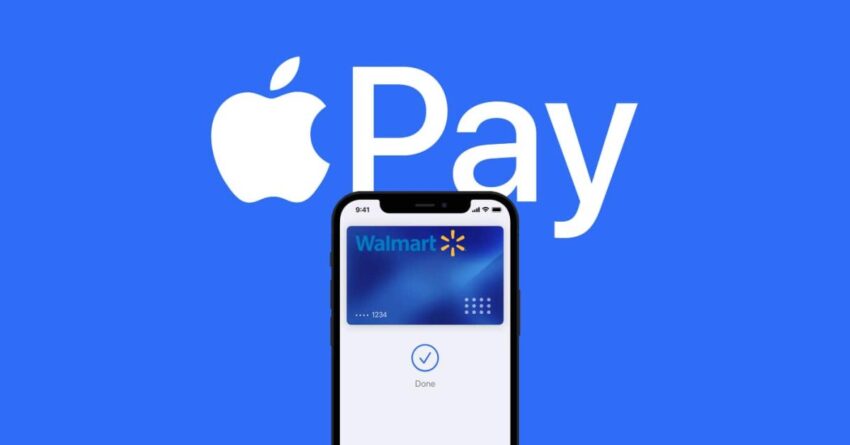
here s why walmart still doesn t As of 2026, Walmart remains one of the few major retailers in the United States that does not accept Apple Pay, a fact that has recently gained traction on social media.
here s why walmart still doesn t
Background on Apple Pay and Walmart’s Payment Strategy
Apple Pay was launched in October 2014, quickly becoming a popular mobile payment option for consumers. The platform allows users to make payments using their iPhones, Apple Watches, and other Apple devices, providing a seamless and secure transaction experience. Since its inception, Apple Pay has been adopted by a multitude of retailers across various sectors, including grocery, retail, and hospitality. However, Walmart has chosen not to integrate this payment method into its stores.
Walmart’s decision to forgo Apple Pay is rooted in its broader payment strategy. The retail giant has developed its own mobile payment system, Walmart Pay, which was introduced in 2016. This proprietary platform allows customers to pay using the Walmart app, providing a streamlined checkout process for those who are already part of the Walmart ecosystem. The company has invested heavily in its own technology, aiming to enhance customer loyalty and drive app usage.
Reasons for Walmart’s Non-Support of Apple Pay
1. Control Over Customer Experience
One of the primary reasons Walmart does not support Apple Pay is its desire to maintain control over the customer experience. By using Walmart Pay, the company can gather valuable data on customer purchasing habits, preferences, and behaviors. This information can be leveraged to tailor marketing strategies, improve inventory management, and enhance customer service. In contrast, accepting Apple Pay would mean sharing customer data with Apple, which could dilute Walmart’s insights into its own customer base.
2. Cost Considerations
Another significant factor is the cost associated with accepting third-party payment systems. Retailers often incur transaction fees when processing payments through platforms like Apple Pay. These fees can add up, particularly for a retailer as large as Walmart, which processes millions of transactions daily. By relying on its own payment system, Walmart can avoid these additional costs, allowing for more competitive pricing and potentially higher profit margins.
3. Promoting Walmart’s Ecosystem
Walmart’s decision to stick with its own payment platform is also a strategic move to promote its broader ecosystem. By encouraging customers to use Walmart Pay, the company can drive traffic to its app, which offers additional features such as grocery delivery, online shopping, and exclusive promotions. This not only enhances customer loyalty but also positions Walmart as a one-stop shop for various consumer needs, from groceries to electronics.
4. Competition with Apple
Walmart’s relationship with Apple is complex, particularly as both companies compete in the retail space. While Apple has made significant inroads into the retail sector with its own stores and products, Walmart remains a dominant player in the grocery and general merchandise markets. By not supporting Apple Pay, Walmart sends a clear message about its independence and commitment to its own brand. This stance may also be seen as a way to counteract the influence of tech giants like Apple in the retail landscape.
Stakeholder Reactions
Consumer Sentiment
The lack of Apple Pay support at Walmart has drawn mixed reactions from consumers. Many shoppers appreciate the convenience of mobile payments and express frustration over Walmart’s refusal to adopt this popular method. Social media platforms have become a hotbed for discussions around this topic, with users sharing their experiences and opinions. Some argue that Walmart’s decision is outdated, especially as more retailers embrace contactless payments.
On the other hand, some consumers are content with using Walmart Pay, particularly those who are already invested in the Walmart ecosystem. These customers often find the app’s features beneficial, such as the ability to track purchases and access exclusive deals. However, the growing demand for Apple Pay among consumers may force Walmart to reconsider its stance in the future.
Industry Experts
Industry experts have weighed in on Walmart’s decision not to support Apple Pay, offering insights into the broader implications for the retail sector. Some analysts suggest that Walmart’s approach may be short-sighted, as consumer preferences continue to shift towards mobile payments. As more shoppers seek the convenience of contactless transactions, retailers that do not adapt may risk losing market share.
Others argue that Walmart’s strategy could pay off in the long run, particularly if it successfully builds a loyal customer base around its own payment platform. By focusing on its proprietary technology, Walmart may be able to differentiate itself from competitors and create a unique shopping experience that resonates with its target audience.
Implications for the Retail Landscape
Walmart’s refusal to accept Apple Pay has broader implications for the retail landscape as a whole. As mobile payment options continue to evolve, retailers must navigate the delicate balance between adopting new technologies and maintaining control over their customer relationships. The rise of contactless payments has prompted many retailers to rethink their payment strategies, with some opting for a hybrid approach that incorporates both proprietary and third-party systems.
Furthermore, Walmart’s decision may influence other retailers’ choices regarding mobile payment acceptance. If Walmart, a major player in the retail sector, continues to resist Apple Pay, other retailers may follow suit, creating a ripple effect across the industry. Conversely, if consumer demand for Apple Pay continues to grow, Walmart may find itself under pressure to adapt or risk alienating a segment of its customer base.
Future Considerations
As the retail landscape continues to evolve, Walmart’s position on Apple Pay may be subject to change. The company has a history of adapting to consumer preferences, and if the demand for Apple Pay becomes overwhelming, Walmart may eventually reconsider its stance. Additionally, advancements in technology and changes in consumer behavior could prompt Walmart to explore new payment options in the future.
Moreover, as competition intensifies among retailers, the ability to offer a seamless and convenient payment experience may become a critical differentiator. Companies that fail to adapt to changing consumer preferences may find themselves at a disadvantage, while those that embrace innovation may thrive in an increasingly digital marketplace.
Conclusion
In summary, Walmart’s decision not to support Apple Pay is driven by a combination of factors, including a desire for control over the customer experience, cost considerations, and the promotion of its own payment ecosystem. While consumer sentiment remains mixed, the implications of this decision extend beyond Walmart, potentially influencing the broader retail landscape. As technology continues to evolve and consumer preferences shift, Walmart’s position on mobile payments may need to adapt to remain competitive in the ever-changing retail environment.
Source: Original report
Was this helpful?
Last Modified: January 19, 2026 at 12:39 pm
0 views