here s why blue origin just ended Blue Origin has announced a significant pause in its New Shepard program, which raises questions about the future of its suborbital space tourism initiative.
here s why blue origin just ended
Overview of the New Shepard Program
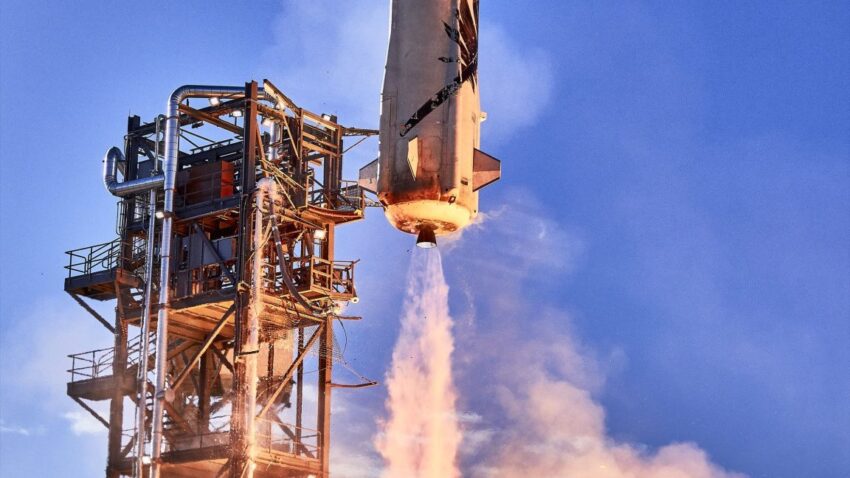
Launched in April 2015, Blue Origin’s New Shepard program was designed to provide suborbital space tourism experiences. The program utilized a reusable rocket and capsule system that successfully completed 38 launches, with an impressive success rate of all but one flight. Over its operational period, New Shepard managed to achieve 36 successful landings, showcasing the company’s commitment to reusable spaceflight technology.
Throughout its tenure, the New Shepard program transported 98 individuals to the edge of space, allowing them to experience a few minutes of weightlessness and breathtaking views of Earth. In addition to space tourism, the program also played a crucial role in scientific research, launching over 200 payloads into a microgravity environment. This dual purpose of tourism and research highlighted Blue Origin’s ambition to contribute to both commercial spaceflight and scientific advancement.
Reasons Behind the Program’s Suspension
While the New Shepard program has been a notable achievement for Blue Origin, the decision to “pause” operations for the next two years raises several questions. Industry analysts suggest that this move may indicate a permanent end to the suborbital space tourism initiative. Several factors contribute to this conclusion.
Financial Considerations
One of the primary reasons for the suspension appears to be financial. The space tourism sector has faced challenges in recent years, particularly in terms of profitability and sustaining customer interest. Blue Origin’s ticket prices for a suborbital flight were reported to be around $250,000 per person, a significant investment for most potential customers. The high cost, coupled with the limited number of flights, may have hindered the program’s ability to generate consistent revenue.
Moreover, the COVID-19 pandemic had a substantial impact on the travel and tourism industry, including space tourism. As restrictions were implemented globally, consumer confidence in travel diminished, leading to decreased demand for suborbital flights. Blue Origin may have found it increasingly difficult to justify the costs associated with maintaining the New Shepard program in light of these financial pressures.
Competition in the Space Tourism Market
The space tourism market has become increasingly competitive, with several companies vying for a share of the emerging industry. Notably, SpaceX, founded by Elon Musk, has made significant strides in both crewed and uncrewed missions, offering a range of services that extend beyond suborbital flights. Virgin Galactic, led by Richard Branson, has also been a prominent player in the space tourism sector, conducting successful flights and capturing public interest.
As competition intensifies, Blue Origin may have struggled to differentiate itself in a crowded market. While the New Shepard program offered a unique experience, the novelty of suborbital flights may have waned as other companies began to offer similar services. This competitive landscape could have influenced Blue Origin’s decision to pause the program, as the company reassesses its strategy moving forward.
Technical Challenges
Technical challenges have also played a role in the decision to suspend the New Shepard program. Despite its successful track record, the program faced scrutiny regarding safety and reliability. The aerospace industry is inherently risky, and any incidents or anomalies can lead to increased regulatory oversight and public concern.
In recent years, Blue Origin has encountered setbacks, including delays in its development timeline and issues related to the rocket’s performance. These challenges may have prompted the company to reevaluate its approach to suborbital tourism, focusing instead on refining its technology and ensuring the safety of future missions.
Implications for Blue Origin and the Space Industry
The suspension of the New Shepard program has broader implications for Blue Origin and the space industry as a whole. As one of the pioneers in commercial spaceflight, Blue Origin’s decisions can influence market dynamics and public perception of space tourism.
Impact on Blue Origin’s Reputation
Blue Origin has positioned itself as a leader in the commercial space sector, with ambitious plans to expand its offerings beyond suborbital tourism. However, the decision to pause the New Shepard program may raise questions about the company’s long-term viability and commitment to its original vision. Stakeholders, including investors and customers, may perceive this move as a setback, potentially impacting Blue Origin’s reputation in the industry.
Future Directions for Blue Origin
Despite the suspension of the New Shepard program, Blue Origin remains focused on its broader goals. The company has been actively developing its New Glenn rocket, which is designed for orbital missions and aims to compete with established players like SpaceX. This pivot toward orbital flight may signal a strategic shift for Blue Origin, as it seeks to capitalize on the growing demand for satellite launches and other commercial space services.
Additionally, Blue Origin is involved in NASA’s Artemis program, which aims to return humans to the Moon by the mid-2020s. The company’s expertise in reusable rocket technology positions it as a valuable partner in this ambitious endeavor. By redirecting its resources and efforts toward these larger projects, Blue Origin may be able to regain momentum and solidify its place in the evolving space landscape.
Stakeholder Reactions
The announcement of the New Shepard program’s suspension has elicited a range of reactions from stakeholders across the space industry. Investors, customers, and industry experts have expressed varying degrees of concern and optimism regarding Blue Origin’s future.
Investor Sentiment
Investors have closely monitored Blue Origin’s trajectory, particularly as the company navigates the challenges of the space tourism market. The suspension of the New Shepard program may lead to increased scrutiny of Blue Origin’s financial performance and strategic direction. Some investors may view this decision as a necessary step to refocus resources, while others may question the company’s ability to deliver on its ambitious goals.
Customer Perspectives
For customers who had anticipated experiencing suborbital flights, the news of the program’s suspension is undoubtedly disappointing. Many individuals who had expressed interest in space tourism may now reconsider their options, especially as other companies continue to offer similar experiences. Blue Origin will need to address customer concerns and communicate its future plans effectively to maintain interest in its offerings.
Industry Experts
Industry experts have weighed in on the implications of the New Shepard program’s suspension. Some view it as a strategic pause that allows Blue Origin to regroup and refine its technology. Others caution that the company must act swiftly to remain competitive in a rapidly evolving market. The consensus among experts is that Blue Origin’s future will depend on its ability to adapt to changing circumstances and capitalize on new opportunities.
Conclusion
The suspension of Blue Origin’s New Shepard program marks a pivotal moment for the company and the broader space tourism industry. As Blue Origin reassesses its strategy and focuses on future projects, the implications of this decision will reverberate throughout the sector. The company has the potential to emerge stronger, but it will require careful navigation of the challenges ahead. Stakeholders will be watching closely as Blue Origin charts its course in the evolving landscape of commercial spaceflight.
Source: Original report
Was this helpful?
Last Modified: January 31, 2026 at 4:39 pm
1 views