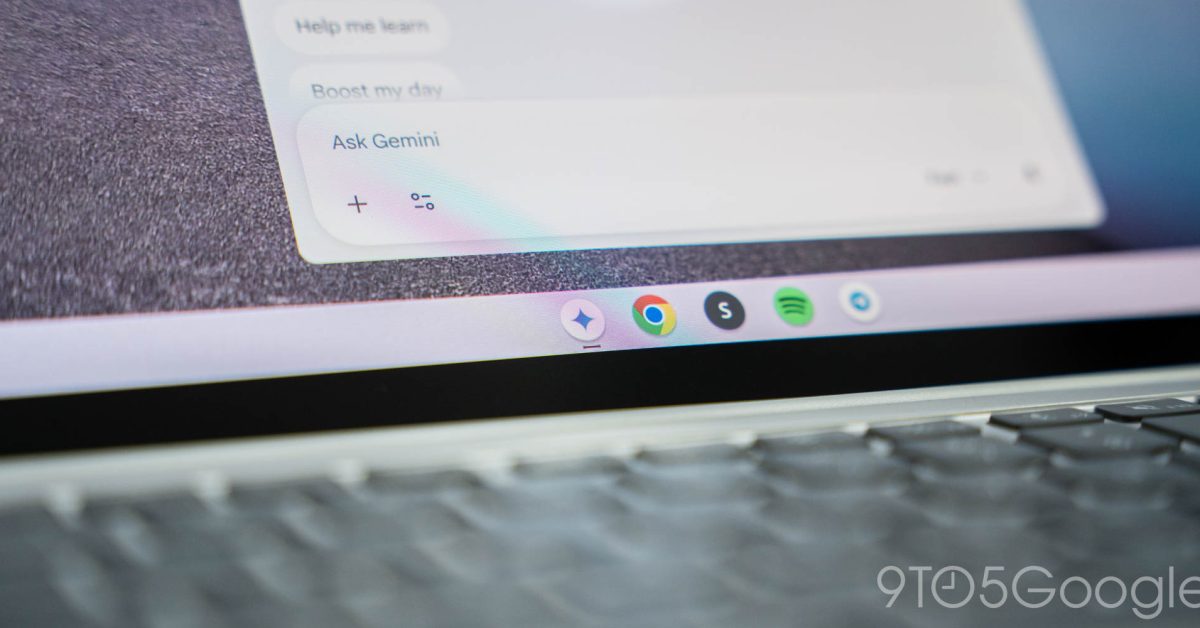
google vp says existing chromebooks may upgrade Google has provided some clarity on the future of Chromebooks and their transition to a new Android-based framework, assuring users that existing devices will continue to receive support.
google vp says existing chromebooks may upgrade
Current State of ChromeOS
ChromeOS has been a significant player in the operating system landscape, particularly in educational and budget-friendly markets. Known for its simplicity, speed, and security, it has garnered a loyal user base. However, the recent announcement regarding a shift towards an Android-based framework has raised questions about the longevity and support of existing Chromebooks.
Google’s Vision for Chromebooks
In a recent interview, a Google Vice President shed light on the company’s vision for Chromebooks moving forward. The executive emphasized that while the transition to an Android “stack” is underway, it does not mean the end of ChromeOS as we know it. Instead, Google aims to integrate the best features of Android into the Chromebook ecosystem, enhancing functionality while maintaining the core principles that users appreciate.
Support for Existing Devices
One of the most pressing concerns among Chromebook users is whether their current devices will be able to upgrade to the new Android framework. The Google VP confirmed that existing Chromebooks will indeed have the opportunity to upgrade. This means that users will not be left behind as the platform evolves. The specifics of how this upgrade will occur are still being finalized, but the assurance of continued support is a significant relief for many.
Implications of the Transition
The transition to an Android-based framework could have several implications for users, developers, and the broader tech ecosystem. Understanding these implications is crucial for stakeholders involved.
User Experience Enhancements
One of the primary goals of integrating Android into the Chromebook ecosystem is to enhance user experience. By leveraging Android’s extensive app library and capabilities, Google aims to provide users with a more versatile and powerful computing experience. This could mean better multitasking, improved app performance, and access to a wider range of applications that were previously unavailable on ChromeOS.
Developer Opportunities
For developers, the shift presents new opportunities to create applications that can run seamlessly across both Android and ChromeOS. This could lead to a more unified development environment, allowing for easier cross-platform app development. As developers adapt to the new framework, we may see an influx of innovative applications tailored specifically for the Chromebook experience.
Market Competition
The move to an Android-based framework may also impact Google’s competitive stance in the market. As Chromebooks become more versatile, they could attract a broader audience, including users who may have previously opted for traditional laptops or tablets. This could potentially increase market share for Chromebooks, especially in sectors like education and remote work, where flexibility and functionality are paramount.
Stakeholder Reactions
The announcement has elicited a variety of reactions from stakeholders, including educators, IT professionals, and consumers.
Educators’ Perspectives
In the education sector, Chromebooks have become a staple due to their affordability and ease of use. Educators have expressed cautious optimism regarding the transition. Many are hopeful that the integration of Android will provide students with access to a broader range of educational tools and resources. However, there are concerns about the potential learning curve associated with the new system and whether it will disrupt existing workflows.
IT Professionals’ Concerns
IT professionals have also weighed in on the implications of the transition. Many are focused on the security aspects of moving to an Android framework. ChromeOS is known for its robust security features, and there are questions about how these will be maintained or enhanced in the new environment. Ensuring that the transition does not compromise security will be a critical focus for Google as it rolls out the new system.
Consumer Sentiment
For general consumers, the response has been mixed. While many are excited about the potential for enhanced functionality, others are apprehensive about the changes. Users have expressed concerns about the reliability of updates, the performance of older devices, and the overall direction of the Chromebook brand. Google will need to address these concerns transparently to maintain consumer trust.
Future Developments
As Google continues to refine its plans for the transition to an Android-based framework, several key developments are anticipated.
Timeline for Upgrades
While the Google VP confirmed that existing Chromebooks will receive upgrades, a specific timeline has not yet been established. Users are eager for clarity on when they can expect to see these changes implemented. Google will likely provide updates in the coming months as they finalize their strategy.
Feature Rollouts
In addition to the upgrade timeline, users are also interested in learning about the specific features that will be rolled out with the new Android framework. Anticipated features may include enhanced multitasking capabilities, improved app integration, and new security measures. Google will need to communicate these features effectively to generate excitement and anticipation among users.
Community Engagement
Engaging with the Chromebook community will be essential as Google navigates this transition. Feedback from users will be invaluable in shaping the direction of the new framework. Google may consider hosting forums or surveys to gather input and address concerns, ensuring that the transition aligns with user needs and expectations.
Conclusion
The future of Chromebooks appears to be on the cusp of significant transformation as Google prepares to integrate an Android-based framework. While the transition raises questions and concerns, the assurance of continued support for existing devices is a positive development for users. As Google moves forward, the implications for user experience, developer opportunities, and market competition will be closely watched. Stakeholder reactions will also play a crucial role in shaping the future of Chromebooks, and Google’s ability to address these concerns will be key to a successful transition.
Source: Original report
Was this helpful?
Last Modified: January 16, 2026 at 10:41 am
0 views