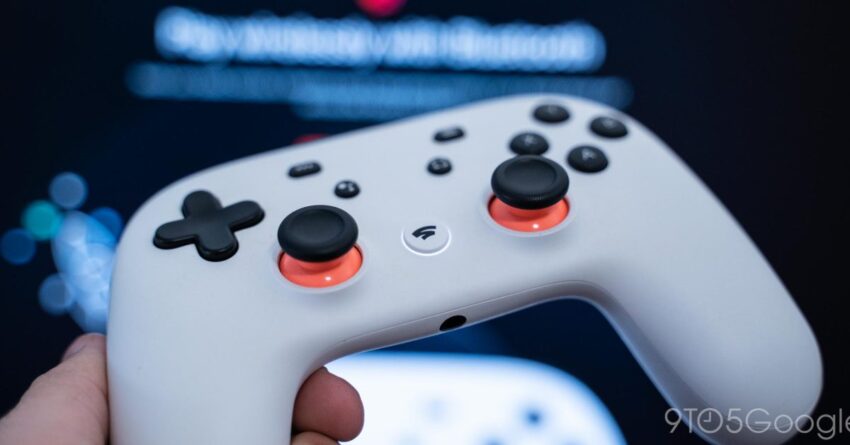
google seems ready to kill the last Google is poised to discontinue the last remnant of its cloud gaming service, Stadia, as the controller conversion tool is expected to go offline this week.
google seems ready to kill the last
Background on Google Stadia
Launched in November 2019, Google Stadia was a bold attempt to revolutionize the gaming industry by offering a cloud-based gaming platform. The service aimed to eliminate the need for traditional gaming consoles and high-end PCs, allowing users to play games directly from the cloud on various devices, including smartphones, tablets, and laptops. However, despite its ambitious vision, Stadia struggled to gain traction in a competitive market dominated by established players like Sony, Microsoft, and Nintendo.
Stadia’s initial promise included features such as 4K resolution streaming, cross-platform play, and the ability to purchase games without the need for a console. However, many users found the service lacking in terms of game library, performance, and overall user experience. The platform faced criticism for its limited selection of titles, with many popular games either absent or available only at launch. Additionally, technical issues, such as latency and connectivity problems, further hampered the service’s reputation.
The Decline of Stadia
Despite Google’s efforts to improve the platform, including partnerships with game developers and the introduction of exclusive titles, Stadia continued to falter. In early 2021, Google announced that it would close its internal game development studios, signaling a significant shift in strategy. This decision left many fans disheartened, as it indicated that the company was scaling back its commitment to the platform.
On September 29, 2022, Google officially announced the shutdown of Stadia, marking the end of its ambitious cloud gaming experiment. The service ceased operations on January 18, 2023, just over three years after its launch. The closure was met with disappointment from users who had invested in the platform, both financially and emotionally. Google offered refunds for hardware and game purchases, but the abrupt end left many feeling abandoned.
The Controller Conversion Tool
As part of the shutdown process, Google introduced a controller conversion tool that allowed Stadia users to repurpose their controllers for use with other devices. This tool was a lifeline for many gamers who had invested in the Stadia ecosystem, providing them with a way to salvage their hardware. The conversion process involved updating the controller’s firmware, enabling it to function as a standard Bluetooth controller compatible with various platforms.
However, as the three-year anniversary of Stadia’s demise approaches, the controller conversion tool is reportedly set to go offline this week. This development marks the final chapter in the Stadia saga, as Google effectively removes the last remaining support for the platform. Users who have not yet converted their controllers may find themselves left with unusable hardware, further solidifying the sense of loss surrounding the service.
Implications for Users
The impending shutdown of the controller conversion tool raises several concerns for Stadia users. Many individuals who invested in the platform may now feel that their investment has been rendered obsolete. The inability to convert controllers could lead to frustration and disappointment, particularly for those who were hopeful about repurposing their hardware for future gaming experiences.
Moreover, the discontinuation of the conversion tool highlights the broader implications of Google’s approach to its gaming ventures. The company’s history of launching and subsequently abandoning projects has raised questions about its commitment to the gaming industry. Users may be hesitant to invest in future Google gaming initiatives, fearing that they could face a similar fate as Stadia.
Stakeholder Reactions
The announcement regarding the controller conversion tool’s shutdown has elicited a range of reactions from stakeholders in the gaming community. Some users have expressed disappointment and frustration, feeling that Google has not adequately supported its customers throughout the Stadia experience. Many gamers invested not only money but also time and emotional energy into the platform, only to see it come to an abrupt end.
On social media platforms, discussions surrounding the closure have sparked debates about the future of cloud gaming and the responsibilities of tech giants like Google. Some users have called for greater accountability from companies that launch gaming services, emphasizing the need for transparency and long-term support for their products.
Industry Perspective
From an industry perspective, the closure of Stadia serves as a cautionary tale for other companies exploring cloud gaming. The challenges faced by Google highlight the importance of understanding market demands, user expectations, and the competitive landscape. While cloud gaming holds significant potential, it requires a careful balance of technology, content, and user experience to succeed.
As companies like Microsoft and Sony continue to invest in cloud gaming solutions, they may look to learn from Stadia’s shortcomings. The focus on building a robust library of games, ensuring seamless performance, and providing ongoing support will be crucial for any future endeavors in the cloud gaming space.
Looking Ahead
As Google prepares to retire the controller conversion tool, the gaming community is left to reflect on the lessons learned from the Stadia experience. While the platform may not have achieved the success that Google envisioned, it has sparked important conversations about the future of gaming and the role of technology in shaping user experiences.
For those who have yet to convert their Stadia controllers, time is running out. The impending shutdown serves as a reminder of the fleeting nature of technology and the importance of adapting to change. As the gaming landscape continues to evolve, users must remain vigilant and proactive in exploring new opportunities and platforms.
Conclusion
The closure of the controller conversion tool marks the end of an era for Google Stadia and its users. While the platform’s journey was fraught with challenges, it has provided valuable insights into the complexities of cloud gaming. As the industry moves forward, the lessons learned from Stadia will undoubtedly shape the future of gaming, influencing how companies approach innovation, user engagement, and long-term support.
Ultimately, the fate of Stadia serves as a reminder that in the fast-paced world of technology, adaptability and responsiveness to user needs are paramount. As Google shifts its focus away from Stadia, the gaming community will continue to seek new avenues for immersive and engaging experiences.
Source: Original report
Was this helpful?
Last Modified: December 30, 2025 at 1:38 am
0 views