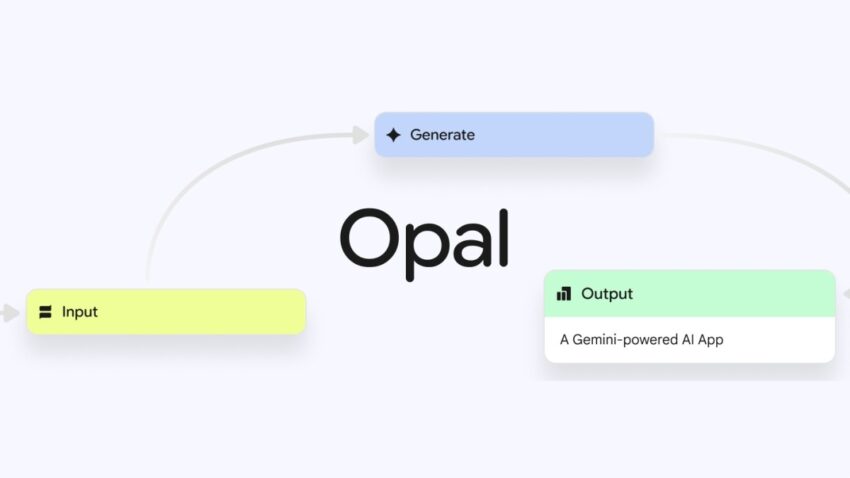
google s vibe-coding tool opal comes to Google has announced the integration of its innovative vibe-coding tool, Opal, into the Gemini web app, enabling users to create customized AI-powered mini applications.
google s vibe-coding tool opal comes to
Understanding Opal: A New Frontier in App Development
Opal is a cutting-edge tool designed to democratize app development by allowing users to create applications without extensive coding knowledge. This vibe-coding approach leverages natural language processing and machine learning, enabling users to describe the functionality they want in simple terms. The tool then translates these descriptions into functional code, significantly lowering the barrier to entry for app development.
With Opal, users can build mini apps that utilize AI capabilities, making it easier for individuals and businesses to harness the power of artificial intelligence in their projects. This is particularly beneficial for those who may not have a technical background but wish to create solutions tailored to their specific needs.
The Integration with Gemini
The integration of Opal into the Gemini web app marks a significant step forward in Google’s strategy to enhance user engagement and expand the capabilities of its platforms. Gemini, which is designed to be a versatile workspace for various applications, will now allow users to seamlessly create and deploy their custom apps using Opal.
This integration is expected to provide users with a more intuitive interface for app development. By combining Opal’s vibe-coding capabilities with Gemini’s existing features, Google aims to create a streamlined experience that encourages creativity and innovation.
Key Features of Opal
Opal comes equipped with several features that make it a powerful tool for app development:
- Natural Language Processing: Users can input their app requirements in plain language, which Opal interprets and converts into code.
- AI-Powered Functionality: The tool allows users to integrate AI features into their apps, such as chatbots, recommendation systems, and data analysis tools.
- User-Friendly Interface: Opal is designed with a focus on usability, ensuring that even those with minimal technical skills can navigate the app-building process.
- Customizability: Users can tailor their apps to meet specific needs, making it a versatile solution for various industries.
Implications for Users
The introduction of Opal into the Gemini ecosystem has several implications for users:
- Empowerment of Non-Developers: Individuals without a coding background can now create functional applications, fostering a culture of innovation.
- Rapid Prototyping: Users can quickly develop and test their ideas, significantly reducing the time required to bring concepts to life.
- Enhanced Collaboration: Teams can work together more effectively by using a common platform to develop and share their applications.
Market Context and Competitive Landscape
The integration of Opal into Gemini comes at a time when the demand for low-code and no-code development platforms is on the rise. According to industry reports, the global low-code development market is expected to grow significantly in the coming years, driven by the need for faster application development and the increasing adoption of digital transformation initiatives across various sectors.
Competitors such as Microsoft, with its Power Apps platform, and Salesforce, with its Lightning platform, have already established a foothold in this space. By integrating Opal into Gemini, Google is positioning itself to compete more effectively in the low-code development market, offering a unique blend of AI capabilities and user-friendly design.
Stakeholder Reactions
The announcement has garnered mixed reactions from industry stakeholders. Some experts believe that the integration of Opal into Gemini represents a significant advancement in making app development accessible to a broader audience. “This is a game-changer for small businesses and entrepreneurs who have great ideas but lack the technical skills to implement them,” said a technology analyst at a leading research firm.
However, others express concerns about the potential oversaturation of the app market. “While tools like Opal can empower users to create applications, there is a risk of flooding the market with low-quality apps that may not meet user needs,” cautioned a software development expert.
Future Prospects for Opal and Gemini
Looking ahead, the future of Opal and its integration with Gemini appears promising. Google is likely to continue enhancing the tool’s capabilities, potentially incorporating more advanced AI features and expanding its functionality. This could include improved machine learning algorithms, enhanced data analytics capabilities, and greater integration with other Google services.
Additionally, as more users adopt Opal, Google may gather valuable feedback that can inform future updates and improvements. This iterative process will be crucial in ensuring that the tool remains relevant and meets the evolving needs of its user base.
Potential Challenges
Despite its promising outlook, the integration of Opal into Gemini is not without challenges. One of the primary concerns is ensuring that the tool remains user-friendly as it evolves. As more features are added, there is a risk that the interface could become cluttered or complex, potentially alienating non-technical users.
Moreover, Google will need to address issues related to data privacy and security, especially as users create applications that may handle sensitive information. Ensuring robust security measures will be essential to maintain user trust and comply with regulatory requirements.
Conclusion
The integration of Opal into the Gemini web app represents a significant milestone in Google’s efforts to democratize app development. By enabling users to create AI-powered mini applications with ease, Google is not only expanding the capabilities of its platforms but also fostering a culture of innovation among its users. As the demand for low-code solutions continues to grow, Opal’s unique features and user-friendly design position it well within the competitive landscape. However, Google must remain vigilant in addressing potential challenges to ensure the long-term success of this initiative.
Source: Original report
Was this helpful?
Last Modified: December 17, 2025 at 10:42 pm
0 views