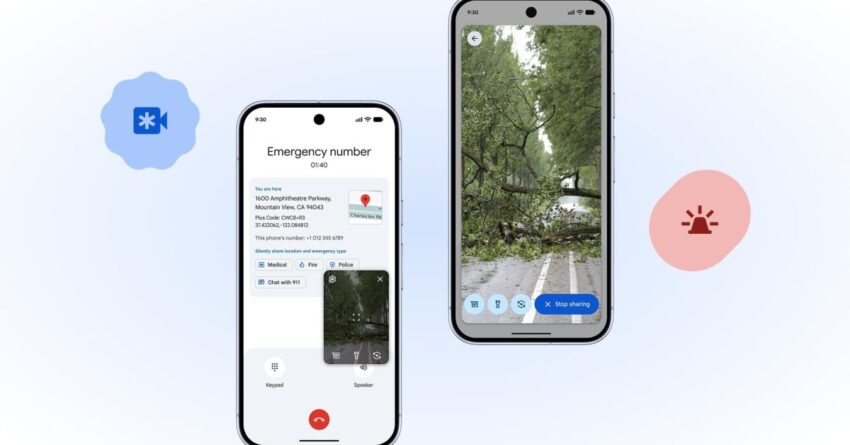
google rolling out android emergency live video Google has announced the rollout of Android Emergency Live Video, a new feature designed to enhance emergency response by allowing users in select countries to share live camera feeds directly with emergency dispatchers.
google rolling out android emergency live video
Overview of Android Emergency Live Video
Android Emergency Live Video is a significant advancement in how emergency services can interact with individuals in distress. This feature aims to provide first responders with real-time visual information, which can be critical in assessing situations and determining the best course of action. By leveraging the capabilities of modern smartphones, Google is enhancing the efficiency and effectiveness of emergency responses.
Key Features
The primary function of Android Emergency Live Video is to enable users to stream live video from their device’s camera to emergency dispatchers. This capability can offer several advantages, including:
- Real-Time Assessment: Dispatchers can see the situation as it unfolds, allowing them to provide tailored advice and support.
- Improved Decision-Making: Visual data can help emergency responders make informed decisions before they arrive on the scene.
- Enhanced Communication: Users can communicate more effectively with dispatchers, providing context that may not be conveyed through voice alone.
Countries Involved
Initially, the feature is being rolled out in three countries: the United States, Canada, and the United Kingdom. These regions have been selected due to their advanced emergency response systems and the prevalence of Android devices among the population. The implementation in these countries serves as a pilot program, with plans for potential expansion based on user feedback and system performance.
Technical Implementation
The technical framework supporting Android Emergency Live Video is built on existing Android infrastructure, ensuring compatibility with a wide range of devices. Users will need to enable the feature through their device settings, which will include privacy and security measures to protect user data.
Privacy and Security Considerations
Given the sensitive nature of sharing live video feeds, Google has implemented several privacy and security protocols. Users will have control over when to activate the feature, and they can choose to stop the video feed at any time. Additionally, the video streams are encrypted to prevent unauthorized access, ensuring that only the intended emergency personnel can view the footage.
Implications for Emergency Services
The introduction of Android Emergency Live Video could have far-reaching implications for emergency services. By providing dispatchers with live visual data, the feature may lead to faster response times and more effective interventions. This could be particularly beneficial in situations where every second counts, such as medical emergencies, natural disasters, or violent incidents.
Potential Benefits
Some potential benefits of this feature include:
- Faster Response Times: With real-time visuals, dispatchers can prioritize resources more effectively, potentially reducing response times.
- Better Resource Allocation: Understanding the situation through video can help dispatchers allocate the right type of emergency services, whether medical, fire, or police.
- Increased Safety for Responders: By assessing a situation before arrival, first responders can approach more safely, reducing risks associated with unknown environments.
Challenges and Considerations
Despite the potential benefits, there are challenges that need to be addressed. Some of these include:
- Network Reliability: Live video streaming requires a stable internet connection, which may not always be available in emergency situations.
- User Familiarity: Users may not be familiar with how to activate the feature in high-stress situations, potentially limiting its effectiveness.
- Data Privacy Concerns: Users may have concerns about their privacy and the security of their video feeds, which could affect adoption rates.
Stakeholder Reactions
The rollout of Android Emergency Live Video has elicited a range of reactions from stakeholders, including emergency service providers, technology experts, and the general public.
Emergency Service Providers
Many emergency service providers have expressed optimism about the feature. They believe that having access to live video feeds can significantly enhance their ability to respond to emergencies. Some have noted that this technology could revolutionize emergency response, allowing for more informed decision-making and better outcomes for those in distress.
Technology Experts
Technology experts have praised Google’s initiative as a step forward in integrating technology with public safety. They emphasize the importance of ensuring that such features are user-friendly and accessible, particularly in high-pressure situations. Experts also highlight the need for ongoing evaluation and improvement of the technology to maximize its effectiveness.
Public Perception
The general public’s reaction has been mixed. While many individuals appreciate the potential benefits of live video sharing in emergencies, concerns about privacy and data security remain prevalent. Users are encouraged to familiarize themselves with the feature and its implications to make informed decisions about its use.
Future Prospects
As Android Emergency Live Video is rolled out, its success will likely depend on user adoption and feedback. Google has indicated that it will monitor the implementation closely and make adjustments as necessary. If the pilot program proves successful, there may be plans to expand the feature to additional countries and integrate it with other emergency services technologies.
Potential for Expansion
Should the initial rollout in the U.S., Canada, and the U.K. yield positive results, Google may consider expanding the feature to other regions. This could include countries with varying levels of emergency response capabilities, adapting the technology to meet local needs and infrastructure.
Integration with Other Technologies
There is also potential for Android Emergency Live Video to be integrated with other technologies, such as artificial intelligence and machine learning. These advancements could further enhance the capabilities of emergency services, allowing for predictive analytics and improved resource management.
Conclusion
The introduction of Android Emergency Live Video represents a significant step forward in emergency response technology. By enabling users to share live video feeds with dispatchers, Google is enhancing the ability of emergency services to respond effectively to crises. While challenges remain, the potential benefits of this feature could lead to improved outcomes for individuals in distress and greater safety for first responders. As the pilot program unfolds, it will be crucial to assess its impact and explore opportunities for further development and integration.
Source: Original report
Was this helpful?
Last Modified: December 11, 2025 at 1:01 pm
2 views