google reveals its android for pc is Google has announced plans to merge Android and ChromeOS, creating a new operating system specifically designed for computers, set to launch next year.
google reveals its android for pc is
Overview of the Announcement
During Qualcomm’s Snapdragon Summit held in Maui, a significant development emerged regarding the future of operating systems. Qualcomm CEO Cristiano Amon revealed that Google is taking steps to integrate Android and ChromeOS into a unified platform for PCs. This announcement has generated considerable excitement within the tech community, particularly among developers and consumers who have been anticipating such a convergence.
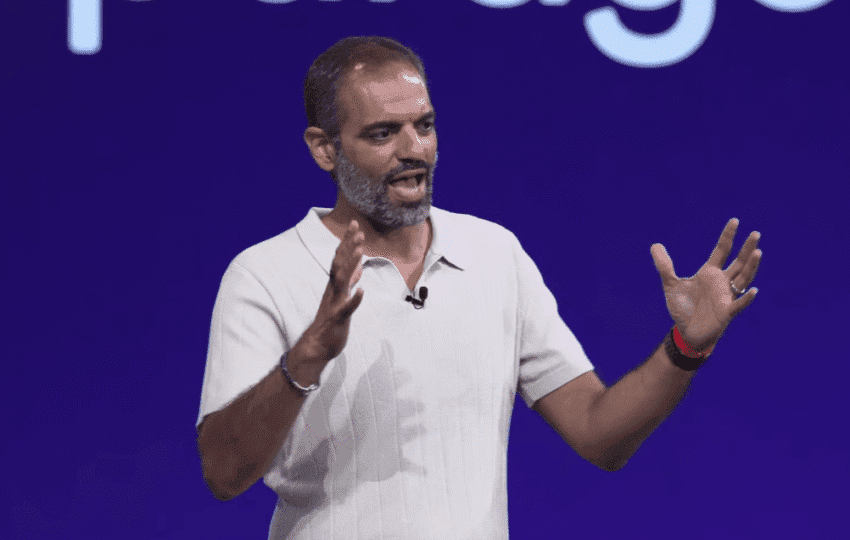
Sameer Samat, Google’s Vice President of Product Management for Android and ChromeOS, expressed enthusiasm about the upcoming changes. He stated, “It’s something we’re super excited about for next year,” indicating that the tech giant is committed to enhancing the user experience across its platforms.
The Vision Behind the Integration
Google’s decision to merge Android and ChromeOS is rooted in the evolving landscape of computing. As technology continues to advance, the lines between different device categories are becoming increasingly blurred. Laptops, tablets, and smartphones are now expected to offer seamless experiences, and Google aims to meet these expectations.
Learning from ChromeOS
In his remarks, Samat highlighted the success of ChromeOS, particularly in the laptop form factor. He noted, “We’ve had ChromeOS for a long time and we’re super committed to that platform, and it’s been really successful for us.” This success has provided Google with valuable insights into user preferences and behaviors, which will inform the development of the new operating system.
ChromeOS has gained traction in educational institutions and among users seeking a lightweight, web-centric operating system. Its simplicity and security features have made it a popular choice, especially for those who primarily use cloud-based applications. By leveraging the strengths of ChromeOS, Google aims to create a more robust and versatile operating system that can cater to a broader audience.
Android Tablets and Productivity
While Samat acknowledged the success of ChromeOS, he also pointed to the growing popularity of Android tablets. He stated, “We also have Android tablets that have been super successful; they’re becoming more productivity machines all the time.” This observation reflects a broader trend in the tablet market, where devices are increasingly being used for productivity tasks rather than just consumption.
As users seek more powerful and versatile devices, the integration of Android’s capabilities into a PC-oriented operating system could enhance productivity features. This move aligns with the growing demand for devices that can handle multitasking and run a wider range of applications.
Accelerating AI Advancements
Another key aspect of Google’s strategy is the incorporation of artificial intelligence (AI) advancements into the new operating system. Samat emphasized the importance of accelerating AI developments on Android and bringing them to the laptop form factor. He stated, “So I think the opportunity for us that we see is how do we accelerate all the AI advancement that we’re doing on Android and bring that to the laptop form factor as rapidly as possible.”
AI has become a cornerstone of modern computing, with applications ranging from virtual assistants to advanced data processing. By integrating AI capabilities into the new operating system, Google aims to enhance user experiences, streamline workflows, and introduce innovative features that leverage machine learning and automation.
Seamless Integration Across Ecosystems
One of the primary goals of merging Android and ChromeOS is to create a seamless experience across devices. Samat mentioned the importance of ensuring that laptops and the broader Android ecosystem work together harmoniously. He stated, “We’re basically taking the ChromeOS experience and re-baselining the technology underneath it on Android.”
This approach suggests that users will benefit from a cohesive experience, allowing them to transition effortlessly between devices. For instance, users may be able to start a task on their Android smartphone and continue it on their laptop without interruption. Such seamless integration could enhance productivity and user satisfaction, making the new operating system more appealing to a wide range of consumers.
Collaboration with Qualcomm
While the specifics of the collaboration between Google and Qualcomm remain unclear, it is evident that Qualcomm’s hardware will play a crucial role in the new operating system. Qualcomm is known for producing some of the most popular processors for Android devices, and its expertise in PC chips will likely be leveraged in the development of the new platform.
Qualcomm’s New Chipsets
At the Snapdragon Summit, Qualcomm announced the Snapdragon X2 Elite and Elite Extreme chipsets, which are touted as the most efficient chips available for Windows PCs. Although the announcement did not explicitly mention Google or the upcoming Android for PC initiative, it is reasonable to speculate that these new chipsets could be optimized for the integrated operating system.
By utilizing Qualcomm’s advanced chip technology, Google can ensure that the new operating system delivers high performance and efficiency. This partnership could also pave the way for enhanced graphics capabilities, improved battery life, and faster processing speeds, all of which are essential for a successful computing experience.
Market Implications
The introduction of an Android-based operating system for PCs could have significant implications for the market. As Google seeks to unify its platforms, it may challenge existing players in the operating system space, particularly Microsoft and Apple. Both companies have established ecosystems that dominate the PC market, and Google’s entry could disrupt the status quo.
Potential Challenges
However, Google will face challenges as it navigates this competitive landscape. One of the primary hurdles will be convincing developers to create applications for the new operating system. While Android has a vast ecosystem of apps, the transition to a PC-oriented platform may require developers to adapt their offerings to meet new requirements.
Additionally, Google will need to ensure that the new operating system provides a compelling user experience that differentiates it from existing options. This will involve addressing concerns related to performance, compatibility, and security. Users will expect a seamless experience that integrates their existing applications and workflows, and any shortcomings could hinder adoption.
Stakeholder Reactions
The announcement has elicited a range of reactions from stakeholders in the tech industry. Developers are particularly interested in how the integration will affect their work and the potential for new opportunities. Some may view the merger as a chance to expand their reach into the PC market, while others may be cautious about the challenges it presents.
Consumers, on the other hand, are likely to welcome the prospect of a more unified experience across devices. The ability to use familiar applications and features on both Android and PC could enhance productivity and streamline workflows. However, users will also be looking for assurances regarding performance and compatibility as Google rolls out the new operating system.
Conclusion
Google’s announcement of an upcoming Android for PC operating system marks a significant development in the tech landscape. By merging Android and ChromeOS, the company aims to create a unified platform that leverages the strengths of both operating systems. With a focus on AI advancements and seamless integration, Google is positioning itself to compete in the evolving world of computing.
As the launch date approaches, stakeholders will be closely monitoring developments and assessing the potential impact on the market. The success of this initiative will depend on Google’s ability to deliver a compelling user experience, attract developers, and navigate the competitive landscape effectively.
Source: Original report
Was this helpful?
Last Modified: September 25, 2025 at 3:38 am
4 views