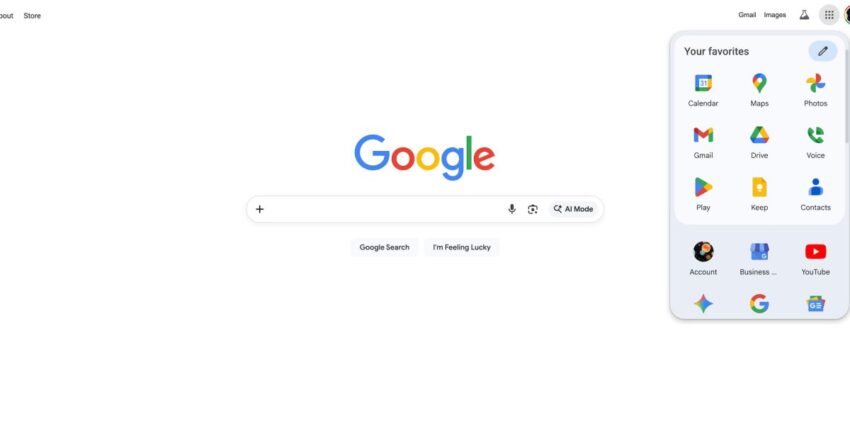
google redesigning web app launcher with material Google is set to unveil a redesigned web app launcher across its suite of online applications, incorporating the principles of Material 3 Expressive, following the last significant update under the Material You initiative in 2023.
google redesigning web app launcher with material
Understanding Material 3 Expressive
Material 3 Expressive is the latest evolution of Google’s design language, which aims to create a more personalized and adaptable user experience. This design philosophy emphasizes flexibility, allowing developers to create interfaces that resonate with users on a personal level. The core idea is to provide a more expressive and visually appealing interface that enhances usability while maintaining a cohesive aesthetic across various platforms.
Material 3 builds upon the foundation laid by Material You, which introduced dynamic theming and personalization features. With Material You, users could customize their interface based on their preferences, including colors and shapes that reflect their individuality. Material 3 Expressive takes this a step further by focusing on richer visual elements, improved animations, and enhanced accessibility features.
Key Features of Material 3 Expressive
The redesign of the web app launcher will incorporate several key features of Material 3 Expressive, including:
- Dynamic Color Schemes: The new launcher will utilize dynamic color schemes that adapt to the user’s chosen theme, creating a more harmonious visual experience.
- Enhanced Typography: Improved typography will ensure that text is not only legible but also aesthetically pleasing, contributing to a more engaging user interface.
- Fluid Animations: The integration of fluid animations will provide a more intuitive interaction experience, making navigation smoother and more enjoyable.
- Improved Accessibility: Enhanced accessibility features will ensure that the launcher is usable by a broader audience, including those with disabilities.
Implications of the Redesign
The redesign of the web app launcher is significant for several reasons. First, it aligns with Google’s ongoing commitment to improving user experience across its platforms. By adopting Material 3 Expressive, Google is not only modernizing its interface but also ensuring that it remains competitive in a rapidly evolving digital landscape.
Second, the redesign reflects a broader trend in the tech industry towards more personalized and adaptive user interfaces. As users increasingly expect applications to cater to their individual preferences, companies must prioritize design languages that facilitate this level of customization.
Stakeholder Reactions
Reactions from stakeholders, including developers, users, and industry analysts, have been largely positive. Developers are particularly excited about the new design tools and guidelines that Material 3 Expressive will provide. These resources will enable them to create more engaging applications that resonate with users.
Users, on the other hand, are eager to experience the benefits of a more visually appealing and intuitive interface. Many have expressed their anticipation for the redesign, particularly in terms of improved usability and accessibility. The emphasis on dynamic color schemes and fluid animations is expected to enhance the overall user experience significantly.
Industry analysts have noted that this redesign could set a new standard for web applications, pushing competitors to adopt similar design philosophies. As Google continues to innovate, other tech companies may feel pressured to enhance their user interfaces to keep pace.
Historical Context of Google’s Design Evolution
Google’s design evolution has been marked by several significant milestones. The introduction of Material Design in 2014 was a game-changer, providing a unified design language that emphasized grid-based layouts, responsive animations, and depth effects such as lighting and shadows. This framework allowed developers to create visually cohesive applications across different platforms.
In 2021, Google introduced Material You, which shifted the focus from a one-size-fits-all approach to a more personalized experience. This update allowed users to customize their interfaces based on their preferences, leading to a more engaging and individualized experience. The introduction of dynamic theming was particularly well-received, as it allowed users to create a more harmonious visual experience across their devices.
With the upcoming launch of Material 3 Expressive, Google is taking another significant step in its design evolution. This new approach aims to enhance user engagement through richer visual elements and improved accessibility, ensuring that Google remains at the forefront of design innovation.
Anticipated Features of the New Web App Launcher
The redesigned web app launcher is expected to feature several enhancements that will improve usability and aesthetics. Some of the anticipated features include:
- Customizable Shortcuts: Users will likely have the ability to customize their app shortcuts, allowing them to prioritize the applications they use most frequently.
- Integrated Search Functionality: Enhanced search capabilities will make it easier for users to find and launch applications quickly, streamlining the overall user experience.
- Contextual Recommendations: The launcher may provide contextual app recommendations based on user behavior, helping users discover new applications that align with their interests.
- Seamless Integration with Google Services: The new design is expected to integrate seamlessly with other Google services, providing a cohesive experience across the ecosystem.
Challenges and Considerations
While the redesign promises numerous benefits, it also presents several challenges. One of the primary concerns is ensuring that the new design remains intuitive for existing users. Google must strike a balance between innovation and familiarity, as users may be resistant to significant changes in their workflow.
Additionally, the transition to Material 3 Expressive requires developers to adapt their applications to align with the new design principles. This may necessitate additional resources and time, particularly for smaller developers who may lack the capacity to implement extensive redesigns.
Moreover, accessibility remains a critical consideration. While the new design aims to enhance accessibility features, Google must ensure that these improvements are effective and genuinely beneficial for users with disabilities. Continuous feedback from users will be essential to refine these features and ensure they meet the needs of a diverse audience.
Conclusion
The upcoming redesign of the web app launcher with Material 3 Expressive marks a significant step in Google’s ongoing commitment to enhancing user experience. By focusing on personalization, accessibility, and visual appeal, Google aims to create a more engaging and intuitive interface for its users. As the tech landscape continues to evolve, this redesign could set a new standard for web applications, pushing the boundaries of what is possible in user interface design.
As stakeholders eagerly await the rollout of these changes, it is clear that Google is positioning itself as a leader in design innovation, setting the stage for a more personalized and adaptive digital experience.
Source: Original report
Was this helpful?
Last Modified: January 27, 2026 at 1:36 am
0 views