google photos expands conversational editing to more Google Photos has introduced a significant update that enhances user experience by allowing for conversational editing on a broader range of Android devices.
google photos expands conversational editing to more
Overview of the New Feature
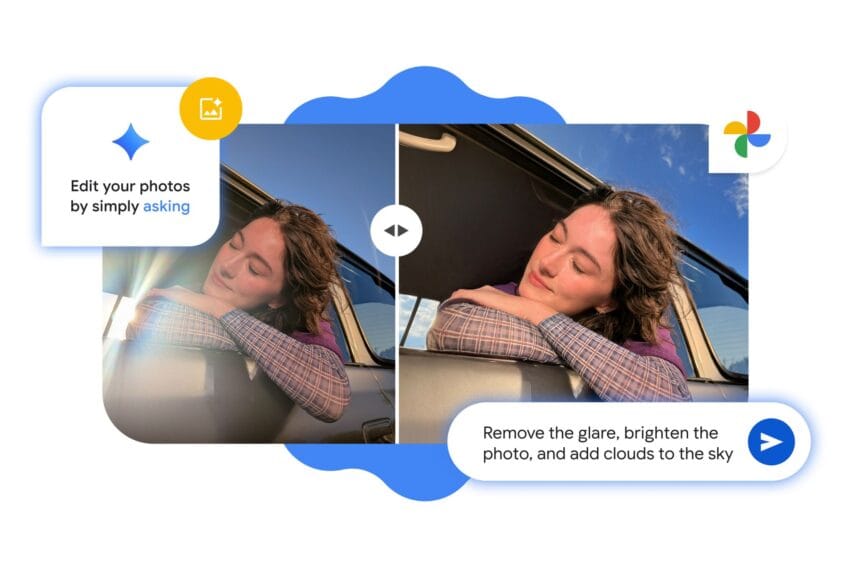
Google Photos has rolled out a new feature that enables users to edit images through voice or text descriptions. Initially launched for Pixel 10 devices, this functionality is now available to eligible Android users in the United States, marking a significant step in making photo editing more intuitive and accessible. Users can access this feature by tapping on “Help me edit” within the Google Photos editor.
How It Works
The conversational editing capabilities are powered by Gemini, Google’s advanced AI model. This feature allows users to bypass traditional editing tools and sliders, enabling them to describe the desired changes in natural language. For instance, users can say or type phrases like “make it brighter” or “remove the background,” and the AI will interpret these commands to make the necessary adjustments.
Benefits of Conversational Editing
The primary goal of this feature is to streamline the photo editing process, making it quicker and more user-friendly. Traditional photo editing often requires a certain level of expertise, as users must understand how different tools interact and how to achieve the desired outcome. With conversational editing, users can simply express their needs, allowing the AI to handle the technical details.
- Accessibility: This feature is particularly beneficial for those who may not be familiar with photo editing software or those who find traditional editing tools cumbersome.
- Efficiency: Users can achieve desired results more quickly, as they can simply describe what they want instead of navigating through multiple menus and options.
- Creativity: The ability to make vague requests like “make it better” or “restore this old photo” encourages users to experiment with their images without the fear of making irreversible mistakes.
Implications for Users
The introduction of conversational editing has several implications for both casual users and professional photographers. For everyday users, the feature lowers the barrier to entry for photo editing, making it accessible to a wider audience. This democratization of technology allows more people to engage with their images creatively.
Casual Users
For casual users, the conversational editing feature can transform the way they interact with their photos. Many individuals take countless pictures but may not have the time or knowledge to edit them effectively. This feature allows them to enhance their images quickly, making it easier to share high-quality photos on social media or with friends and family.
Professional Photographers
While professional photographers may still rely on advanced editing software for detailed adjustments, the conversational editing feature can serve as a useful tool for quick fixes. For instance, a photographer may need to make minor adjustments to a batch of images before delivering them to a client. The ability to use voice commands for simple edits can save valuable time in such scenarios.
Technical Aspects of the Feature
The underlying technology for this feature is based on Google’s Gemini AI model, which is designed to understand and process natural language commands. This advancement in AI allows for a more intuitive interaction between users and the software, making the editing process feel more like a conversation than a technical task.
Limitations of Conversational Editing
While the feature offers numerous advantages, it is essential to acknowledge its limitations. Using short or vague descriptions may lead to less precise edits. For example, a user who simply says “make it brighter” may not achieve the exact brightness level they desire. The AI interprets commands based on its training data, which may not always align with individual user preferences.
Future Enhancements
As AI technology continues to evolve, it is likely that Google will refine the conversational editing capabilities further. Future updates may include more advanced understanding of context, allowing the AI to make more nuanced adjustments based on user intent. Additionally, incorporating user feedback could enhance the accuracy and effectiveness of the editing suggestions.
Stakeholder Reactions
The rollout of conversational editing has garnered attention from various stakeholders, including tech enthusiasts, professional photographers, and casual users. Many have expressed excitement about the potential for AI to simplify complex tasks, while others remain cautious about the limitations of AI-driven editing.
Tech Enthusiasts
Tech enthusiasts have welcomed the feature as a significant advancement in the realm of photo editing. Many view it as a natural progression in the integration of AI into everyday applications, highlighting the potential for increased creativity and efficiency. The ability to interact with technology in a more conversational manner is seen as a step toward more user-friendly interfaces across various platforms.
Professional Photographers
On the other hand, some professional photographers have expressed skepticism regarding the reliance on AI for editing. While they acknowledge the convenience of quick fixes, they emphasize the importance of artistic control and precision in their work. Many professionals believe that while AI can assist in certain tasks, it cannot replace the nuanced understanding and creativity that a human editor brings to the table.
Casual Users
Casual users have largely responded positively to the new feature. Many appreciate the simplicity it offers, allowing them to enhance their photos without needing extensive knowledge of editing software. User feedback has indicated that the conversational editing feature has made photo editing feel less intimidating, encouraging more people to engage with their images creatively.
Conclusion
The expansion of conversational editing in Google Photos represents a significant leap forward in making photo editing more accessible and user-friendly. By allowing users to describe their desired changes in natural language, Google is not only simplifying the editing process but also encouraging creativity among a broader audience. As AI technology continues to evolve, it is likely that we will see further enhancements to this feature, potentially transforming the landscape of photo editing as we know it.
Source: Original report
Was this helpful?
Last Modified: September 23, 2025 at 10:48 pm
6 views