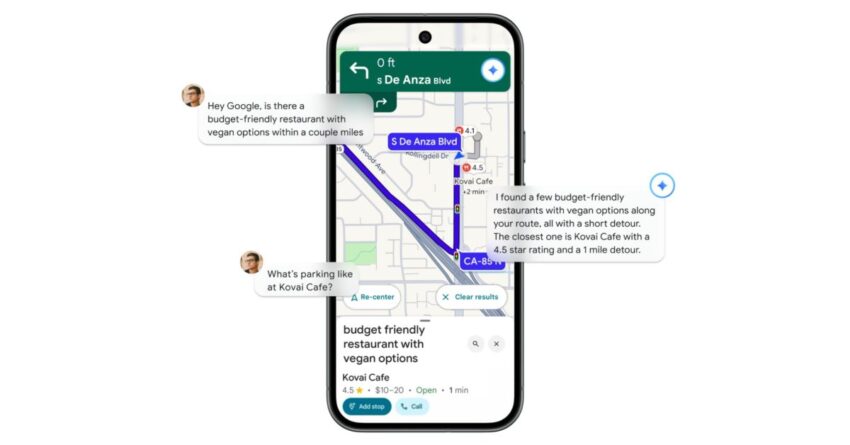
google maps limited view was hiding reviews Recent changes to Google Maps have raised concerns among users as the platform has begun limiting access to reviews and images for those who are not signed in.
google maps limited view was hiding reviews
Overview of Google Maps’ Functionality
Google Maps has evolved significantly since its inception in 2005, transforming from a simple navigation tool into a comprehensive platform that offers a wealth of information about locations worldwide. Users rely on Google Maps not only for directions but also for discovering local businesses, reading reviews, and viewing images of places. This multifaceted approach has made Google Maps an essential resource for travelers, food enthusiasts, and anyone looking to explore their surroundings.
Recent Changes to User Access
In a recent update, Google Maps has implemented a “limited view” feature for users who are signed out of their Google accounts. This change has sparked a wave of criticism and confusion among users who depend on the platform for detailed information about various locations. The limited view restricts access to crucial features such as user-generated reviews and images, which are vital for making informed decisions about where to eat, shop, or visit.
Impact on User Experience
The decision to limit access to reviews and images for signed-out users significantly impacts the overall user experience. Many users have expressed frustration, noting that the absence of reviews can lead to uncertainty when choosing a restaurant or service. Reviews often provide insights that are not available through official descriptions, offering a glimpse into the quality and reliability of a business.
Importance of User-Generated Content
User-generated content, including reviews and images, plays a crucial role in the success of Google Maps. This content not only enhances the platform’s utility but also fosters a sense of community among users. When individuals share their experiences, they contribute to a collective knowledge base that benefits everyone. The removal of this feature for signed-out users raises questions about the accessibility of information and the inclusivity of the platform.
Reactions from Users and Stakeholders
The reaction to this change has been overwhelmingly negative among users. Many have taken to social media platforms and forums to voice their concerns, arguing that the decision undermines the very essence of Google Maps as a community-driven platform. Users have expressed that they often rely on reviews to gauge the quality of a service or product, and without access to this information, they feel at a disadvantage.
Community Feedback
Feedback from the community has highlighted several key issues:
- Accessibility: Many users believe that limiting access to important information for signed-out users creates an unnecessary barrier. This is particularly concerning for those who may not have a Google account or prefer not to sign in.
- Transparency: Users have raised questions about the transparency of the decision-making process behind this change. Some speculate that Google may be attempting to encourage more users to create accounts, which could ultimately benefit the company.
- Trust: Trust in the platform may be eroded as users feel that they are being pushed to sign in to access essential features. This could lead to a decline in user satisfaction and loyalty.
Google’s Response and Future Implications
In response to the backlash, Google has acknowledged the concerns raised by users. While the company has not provided a detailed explanation for the change, it has indicated that it is committed to improving user experience on the platform. The company has stated that it is actively monitoring feedback and may consider adjustments based on user input.
Potential for Revisions
Given the strong reactions from users, there is potential for Google to revise its approach to the limited view feature. The company may explore options to balance the need for user engagement with the accessibility of information. For instance, Google could consider allowing signed-out users to view a limited number of reviews or images, thereby providing some level of insight without requiring a sign-in.
Long-Term Effects on User Engagement
The long-term effects of this change on user engagement remain to be seen. If users feel that they are being unfairly restricted, they may seek alternative platforms that offer similar services without such limitations. This could lead to a decline in Google Maps’ user base, particularly among those who prioritize access to comprehensive information.
Broader Context: The Role of User Accounts in Digital Platforms
The shift towards requiring user accounts for access to certain features is not unique to Google Maps. Many digital platforms have adopted similar strategies in recent years, often citing the need for personalized experiences and enhanced security. However, this trend raises important questions about the balance between user engagement and accessibility.
Privacy Concerns
As platforms increasingly encourage users to create accounts, privacy concerns have come to the forefront. Users may be hesitant to share personal information or create accounts due to fears about data security and how their information will be used. This reluctance can lead to a decrease in user engagement and a potential loss of valuable user-generated content.
Market Competition
The competitive landscape of digital mapping services is another factor that Google must consider. With alternatives like Apple Maps and Waze gaining traction, Google must ensure that it remains the go-to choice for users. If competitors offer more accessible features without requiring sign-in, Google could risk losing market share.
Conclusion
The recent changes to Google Maps’ functionality for signed-out users have sparked significant debate about accessibility, user engagement, and the role of user-generated content. While Google has acknowledged the concerns raised by users, the long-term implications of this decision remain uncertain. As the company navigates user feedback and potential revisions, it will be crucial to strike a balance between encouraging account creation and maintaining an inclusive platform that serves the needs of all users.
Source: Original report
Was this helpful?
Last Modified: February 23, 2026 at 11:43 pm
4 views